


4 of the Worst Coaches in Indian Cricket History
Despite its wealth, talent, and achievements, Indian cricket has repeatedly been held back by coaching appointments that failed to build on past success.
 Follow Us
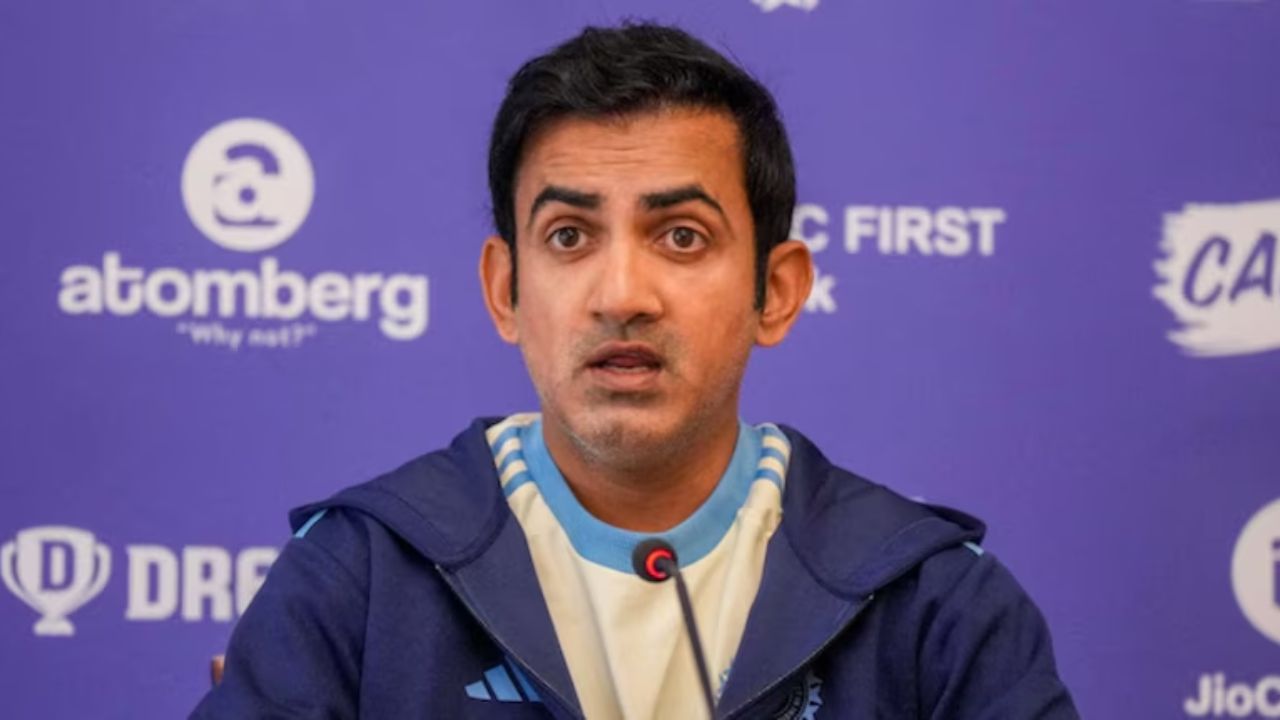
Gautam Gambhir (Image via PTI)
🔍 Explore this post with:
The Indian National Cricket Team has had some form of a coach/manager since Keki Tarapore in 1971. However, these coaches were appointed on an ad hoc, tour-wise basis, and it was only until 1992 with Ajit Wadekar’s appointment that India got a full-time professional coach.
Since then, various coaches have helped in taking Indian cricket to unprecedented heights, even as India became an economic giant in the sport.
However, despite the BCCI becoming the richest cricket board in the world, and despite the team’s many achievements and trophies over the past 34 years, Indian cricket has still not reached the pinnacle of absolute dominance that the Australian and West Indian teams were famous for.
One of the reasons behind this has been appointment of coaches who did not prove to be a good fit for the team, and who, instead of building on the successes of their predecessors, derailed the momentum and withheld the potential of the players.
With the recent performances under Gautam Gambhir, it seems lessons from decades-ago have still not been learned by those at the helm of BCCI.
Here are the four worst coaches in Indian cricket history.
Gautam Gambhir
0-3. 1-3. 0-2. 0-2. 1-2. These are just some of the humiliating statistics of Indian losses since Gautam Gambhir was appointed coach in July 2024.
The worst undoubtedly were the whitewashes suffered against New Zealand and South Africa at home. Before the New Zealand Test series in 2024, not once were India whitewashed at home in a 3-or-more-match series in their 92-year-old cricketing history.
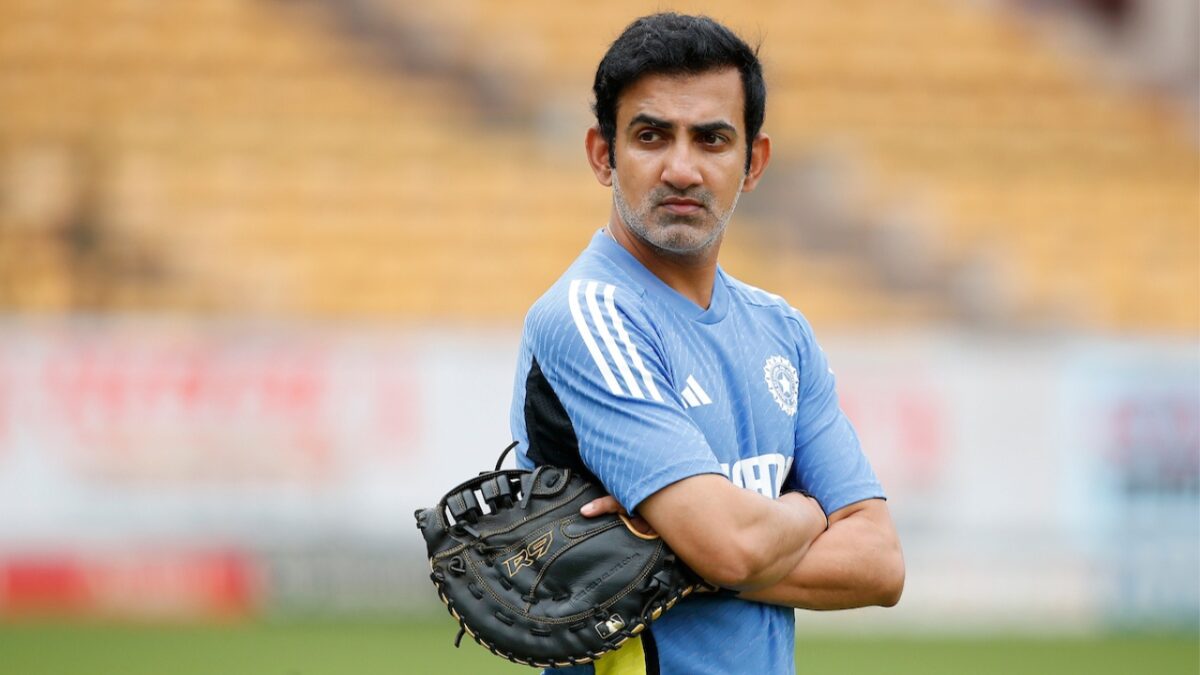
Even the colonial Indian team of 1933 and the teams of the 1950s and 1960s – which did not even have a proper pace bowler- could manage a consolation draw if not a win against far more experienced teams. The ODI series losses against Sri Lanka and New Zealand- teams India have dominated in recent times, added further insult to injury.
Even the series in England was a draw and not a win against an English team that lacked the legendary duo of Stuart Broad and James Anderson, and one that later went on to lose the Ashes 1-4. The 2025 Champions Trophy win was after the hard work had already been done by Rahul Dravid with the 2023 World Cup squad.
The only saving grace has been the T20 team, though that could be because Gambhir was appointed because of his record in T20 franchise cricket. In hindsight, it was a blunder by the selectors to appoint Gambhir, who had no prior experience coaching an international Test or ODI team.
Even if India were to win the upcoming T20 World Cup, it would be cold comfort as the top SENA teams take Tests and ODIs more seriously. Gambhir and his chosen team have not been able to build a reliable fast-bowling pool to replace Jaspreet Bumrah, nor have they helped improve the team’s poor catching standards.
What’s worse is that Indian batsmen, who were once renowned for their skills against spin-bowling, have been reduced to tailenders against quality spin. India’s chances of winning the next ODI World Cup and World Test Championship will improve only with a leadership change from Gambhir.
Greg Chappell
Before Gambhir, most Indian fans would have cited Greg Chappell as the worst Indian coach ever. The legendary right-hand batsman was appointed in 2005 to bring in an Australian-style ruthlessness into a talented Indian team.
Unfortunately, it wasn’t just the spat with Sourav Ganguly that the Chappell era became infamous for. While trying to turn the team into another Australia, Chappell completely ignored the Indian core of the team, in contrast to predecessor John Wright.
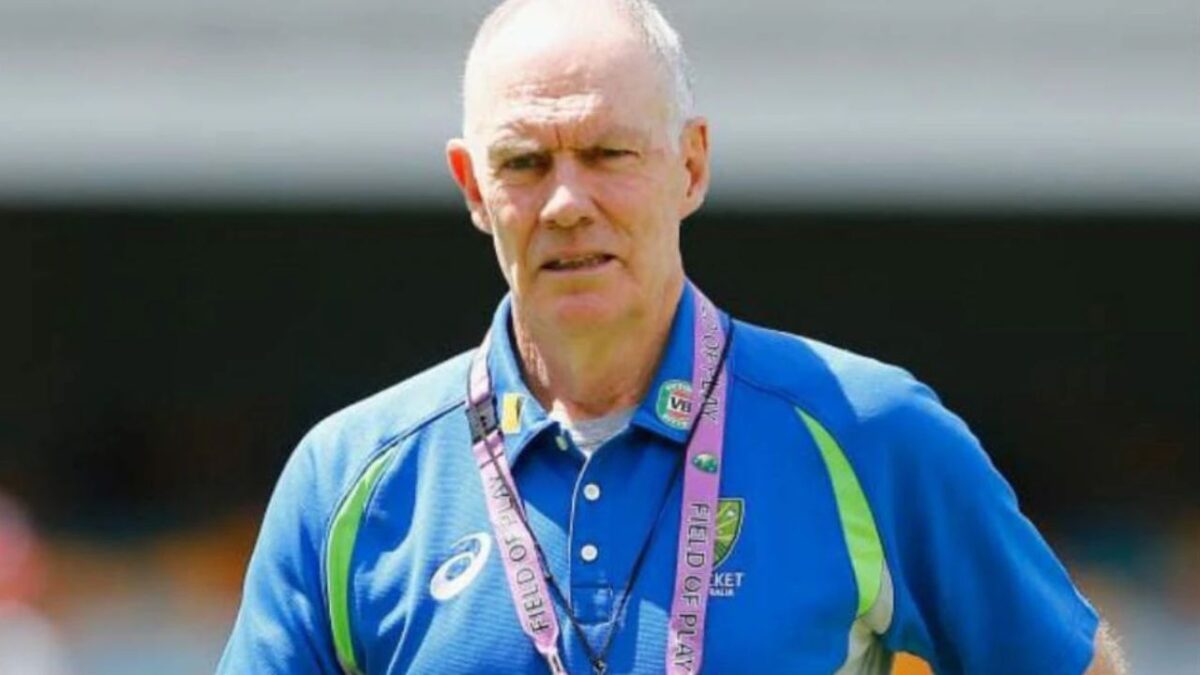
Players such as Robin Uthappa and Irfan Pathan have mentioned how Chappell’s methods led to insecurities among players. Chappell leaked dressing-room information, spoke aggressively and disrespectfully with senior members of the team and created an overall low-morale environment for players unused to such a culture.
All this could still have been justified had the results matched the bravado.
Despite a promising beginning that led to India setting a record for consecutive successful ODI run-chases, the controversies, indecisiveness in squad selection (Ganguly was finally brought back after the team went through a rough patch), experimentation with the batting order and an alien dressing room environment took a toll on players.
Test losses against Pakistan and England, the team’s early exit from the 2006 Champions Trophy and an ODI series whitewash in South Africa all preceded India’s humiliating exit from the first round of the 2007 ODI World Cup.
Duncan Fletcher
Duncan who? Unlike the brash and outspoken Chappell and Gambhir, Duncan Fletcher was known to completely avoid the spotlight.
The Zimbabwean was appointed after India’s 2011 World Cup triumph on the personal recommendation of outgoing coach Gary Kirsten. Fletcher was renowned for transforming the England cricket team from the underperformers of the 90s into a formidable, Ashes-winning force. Despite these strong credentials, Fletcher was unable to create any positive impact on India’s cricketing results.
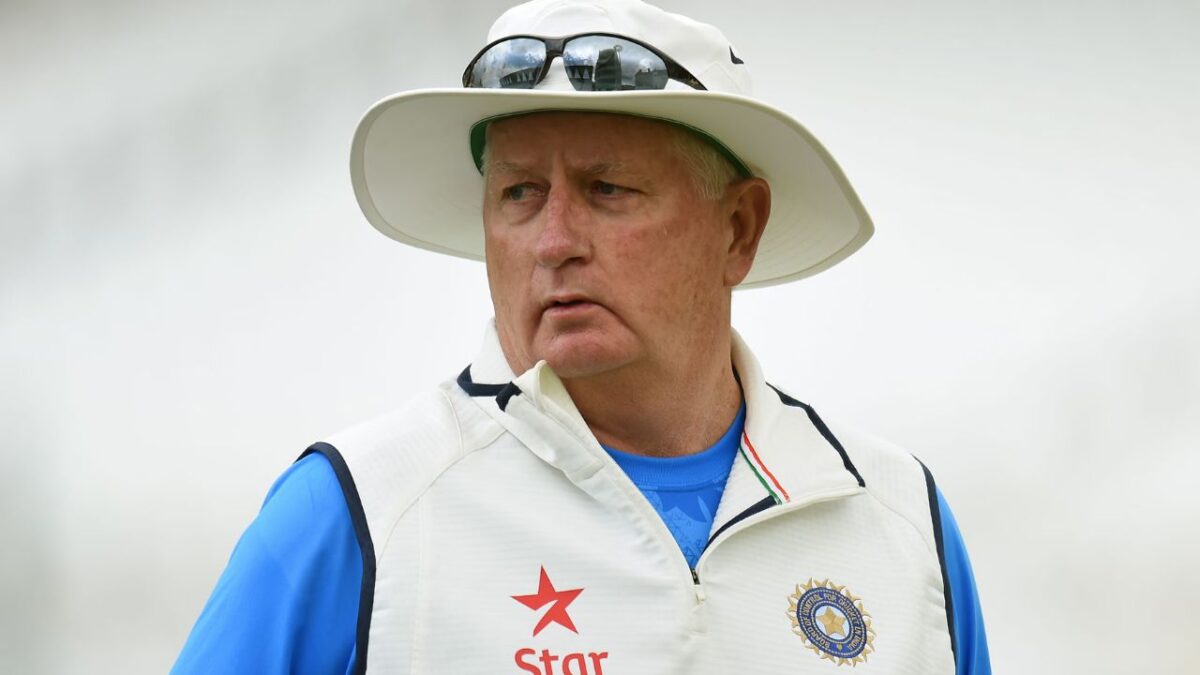
Instead of becoming a dominant cricketing powerhouse following the 2011 World Cup win, the Indian team collapsed to successive 0-4 whitewashes in England and Australia, followed by a 1-2 series loss at home against England.
Then there was also the home ODI series loss against Pakistan and an early exit from the 2012 T20 World Cup.
To his credit, Fletcher did preside over the 2013 home series whitewash of Australia and the 2013 Champions Trophy win. But the overall impression he left was of someone who was too detached from the proceedings and subservient to the whims of the superstars.
Captain MS Dhoni was supposedly in charge of the major team and on-field decisions during this period and Fletcher appeared to be a bemused outsider. In fact, Ravi Shastri was appointed as the Team Director in 2014 during Fletcher’s tenure as coach as if to make up for the latter’s seeming disinterest.
Fletcher’s tenure finally ended after India’s semi-final exit at the 2015 World Cup.
Kapil Dev
Kapil Dev is India’s legendary 1983 World Cup-winning captain and one of the greatest all-rounders the game has seen. There is a phase of his career, though, that he and the fans would like to forget: his short tenure as India’s head coach from 1999-2000.
Kapil and Sachin Tendulkar were appointed as coach and captain in the aftermath of India’s Super 6 exit at the 1999 World Cup. Two of India’s greatest cricketers were meant to lead the team into a new golden age in the 21st century. Sadly, Kapil’s term proved disastrous both on and off the field.
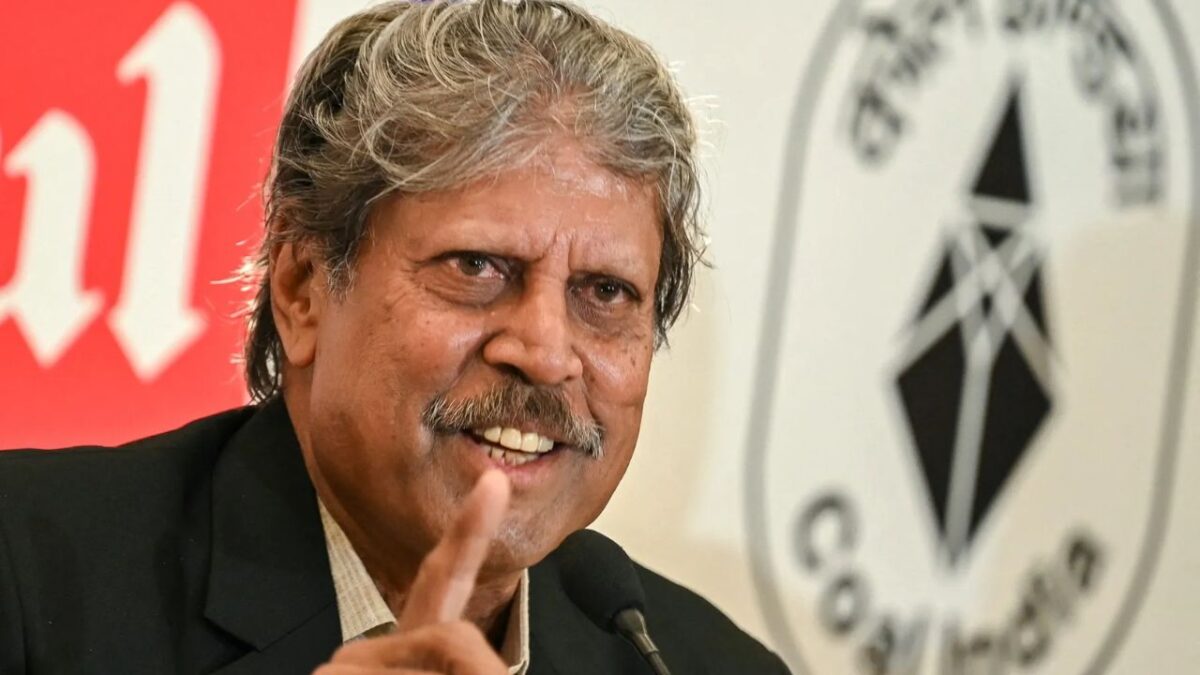
First were the results- Though Kapil’s first home Test series against New Zealand as India coach ended with a 1-0 victory, what followed in late 1999-early 2000 was utter chaos.
India were whitewashed in back-to-back Test series, 0-3 in Australia and then 0-2 against South Africa at home, India’s first-ever home series whitewash in 68 years of international cricket. ODIs were no better, with India winning only 9 out of 25 ODIs during Kapil Dev’s tenure.
To make matters worse, the infamous 2000 match-fixing scandal exploded during the India-South Africa series, leading to long-term bans for Indian and South African players.
Kapil Dev was himself accused of being part of such a scandal by former teammate Manoj Prabhakar. Though Kapil was later acquitted of the charges by the CBI, his coaching career came to an abrupt halt in 2000.
Read More:
- Indian Legend Lauds Virat Kohli’s Temperament After Gritty Indore Knock
- Steve Smith, Currently 36, Wants to Play at the 2028 LA Olympics



/techfirstnow/media/agency_attachments/kATjCXskQdJKkXN0OuqW.png)