

Diana Shnaider Reveals Reasons Behind Turning the Tables on Aryna Sabalenka at Roland Garros
Aryna Sabalenka still waits for her first Grand Slam outside hard courts.
 Follow Us
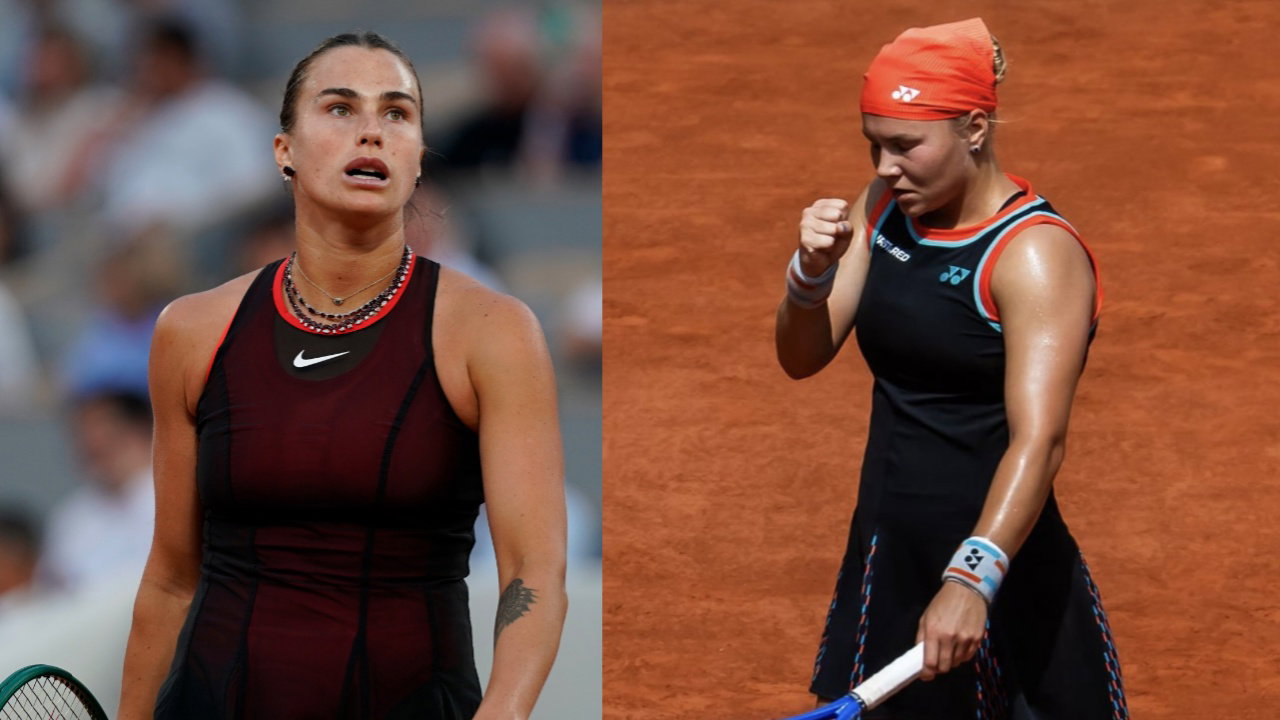
Aryna Sabalenka and Diana Shnaider (via X/WTA)
Diana Shnaider pulled off the most stunning upset of the 2026 French Open on Wednesday, storming back from a set and a double-break deficit to eliminate World No. 1 Aryna Sabalenka in the quarterfinals on Court Philippe-Chatrier. Trailing 6-3, 4-1, and later staring down a 5-4 deficit as Sabalenka served for the match, the 22-year-old Russian staged an improbable revival, winning the final ten consecutive games of the match to secure a 3-6, 7-5, 6-0 victory.
The early stages of the match offered little indication of the drama that would unfold under the swirling Paris sky. Sabalenka looked every bit the top-ranked player in the world early on, imposing her physical dominance from the baseline to race to a 5-1 lead in the opening set.
While Shnaider showed a brief flash of resistance by breaking back once, Sabalenka managed to steady her nerves and serve out the opener 6-3 in 49 minutes. When the Belarusian quickly secured a double break to go up 4-1 in the second set, a routine straight-sets victory appeared all but guaranteed.
When I was trailing 5-3 and playing against the wind, with Aryna constantly pushing me, I felt I had to change something. I was trying to vary more, use effects, slices, and different heights, but nothing was working. At that moment, I thought I had to be more aggressive, step into the court more, and take more risks. She was pushing me too far back and winning all the short exchanges. I started attacking her second serves more, putting more pressure, and finding my shots. Gradually, some errors started to appear on her part, and I felt the momentum shifting.
The staggering turnaround completely fractures the women’s singles draw in Paris, leaving the tournament wide open after a string of early exits by top-seeded heavyweights.
With defending champion Coco Gauff, four-time winner Iga Swiatek, and Australian Open champion Elena Rybakina already eliminated prior to Wednesday, Sabalenka had entered the quarterfinal round as the overwhelming favorite to capture her maiden Roland Garros title. Shnaider’s defiance not only shatters those expectations but also elevates her into her first-ever Grand Slam semifinal.
Shnaider attributed her career-defining triumph to a drastic shift in tactical philosophy midway through the second set when traditional defensive measures failed to neutralize Sabalenka’s relentless pace. Facing a 5-3 deficit against the wind, Shnaider realized that trying to rely on variety, slice, and heavy topspin was only allowing the top seed to dictate terms from the baseline, forcing her to abandon caution and aggressively attack Sabalenka’s second serve.
The shocking collapse of Aryna Sabalenka
As Shnaider’s high-risk strategy began to pay dividends, Aryna Sabalenka’s composure began to unravel in full view of the packed house on Philippe-Chatrier. Serving for the match at 5-4, unforced errors crept heavily into the Belarusian’s game.
Shnaider capitalized immediately, breaking back to level the set at 5-5 before holding serve comfortably. Sensing panic on the other side of the net, the 25th seed broke Sabalenka yet again to steal the second set 7-5.
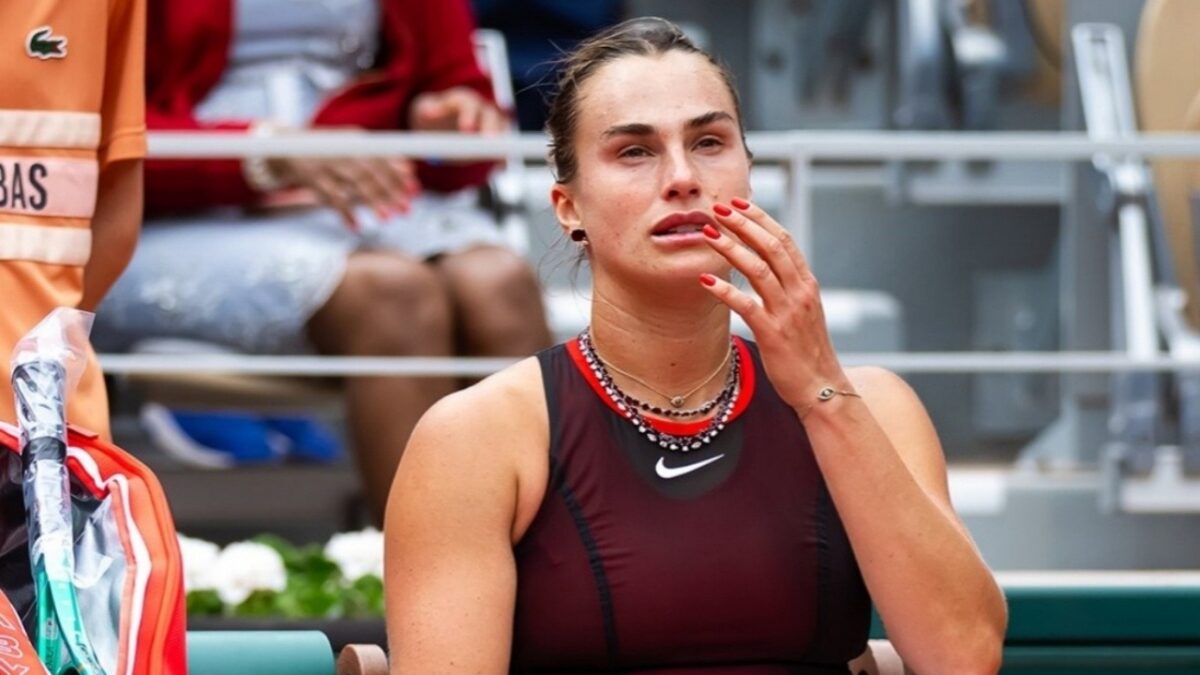
Losing a set she had completely under control proved to be a psychological blow from which Sabalenka could not recover. Her struggles echoed the emotional difficulties she experienced during previous high-stakes collapses, notably last year’s final against Gauff.
Sabalenka began remonstrating loudly, shouting toward her player’s box, and showing immense frustration after routine misses. In total, Sabalenka lost her serve six consecutive times across the final two sets.
By the time the third set commenced, Shnaider was playing with absolute freedom, while Sabalenka was completely frozen by nerves. The Russian left-hander broke in the opening game of the decider after a grueling battle, then saved early pressure on her own serve to consolidate for 3-0.
Sabalenka completely fell apart from there, standing still and screaming in agony after falling behind 0-30 in the sixth game. Though she managed to save two match points from a 0-40 deficit, Sabalenka sent a final, weary shot into the net to cement a shocking third-set bagel.
What lies ahead at Roland Garros for Diana Shnaider
The historic win marks Shnaider’s very first career victory over a reigning World No. 1 and just her second win against a top-10 opponent, building on her round-of-16 triumph over former Grand Slam champion Madison Keys.
Statistics from the match reflect Shnaider’s incredible efficiency during the turnaround: she won 72% of her second-serve points compared to Sabalenka’s dismal 39%, while generating a staggering 20 break-point opportunities over the three sets.
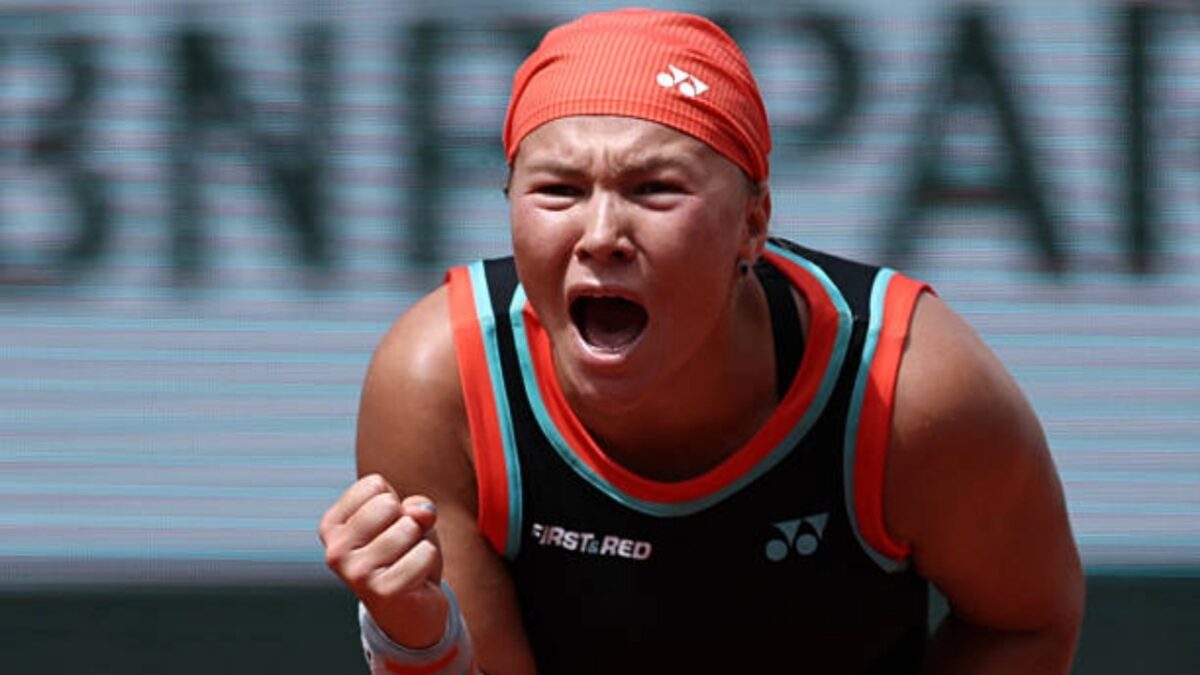
With Sabalenka now joining the long list of top-tier casualties in Paris, a brand-new Grand Slam finalist is guaranteed to emerge from the bottom half of the draw. Shnaider will look to extend her fairytale run when she faces Poland’s Maja Chwalinska in the semifinals.
Chwalinska, a qualifier ranked 114th in the world, has put together an equally astonishing underdog run to reach the final four, setting up a highly anticipated and entirely unpredictable semifinal clash on the Parisian clay. She has shown that Poland does have a tennis space outside Iga Swiatek.
Fahad Hamid
(1769 Articles Published)