

Alexander Zverev Makes Allergy Confession from Wimbledon Grass: “I Suffer from It Every Year”
Wimbledon has been Alexander Zverev's least successful slam.
 Follow Us
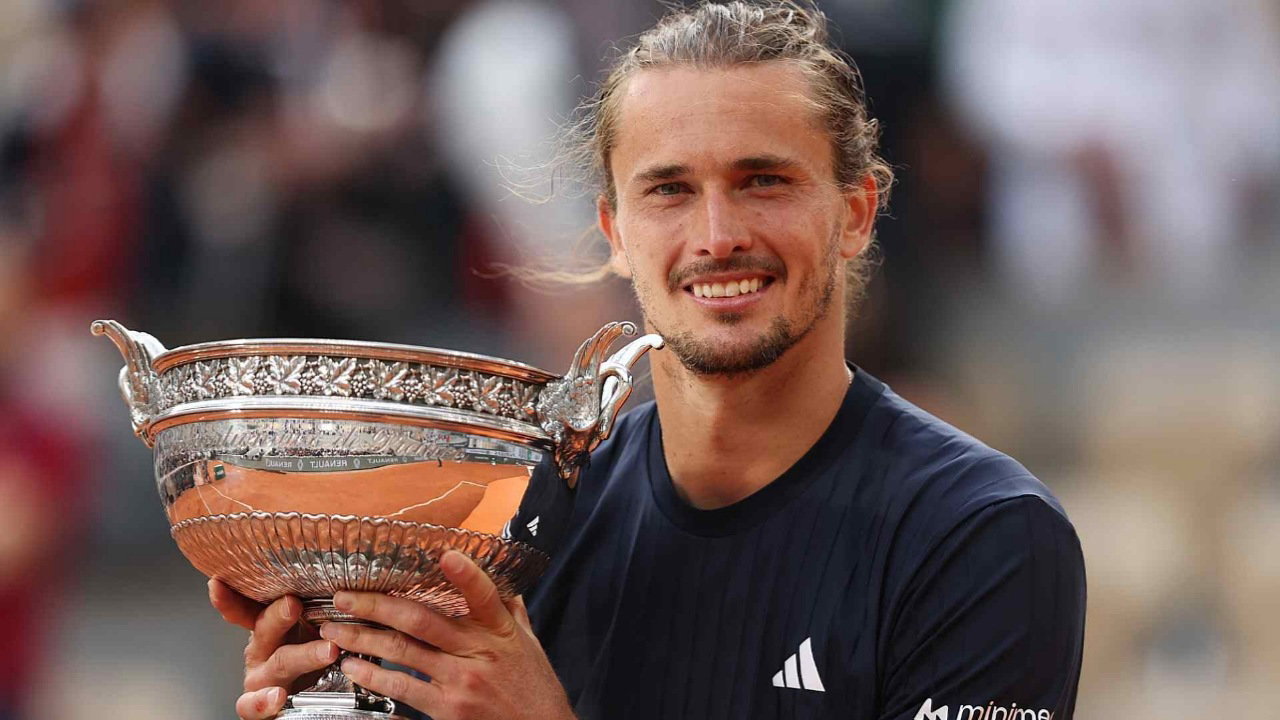
Alexander Zverev (Image via ATP Tour)
Alexander Zverev revealed a surprising physical hurdle ahead of his upcoming campaign at the All England Club, admitting during a practice session that he battles a severe, recurring grass allergy every summer. The German was spotted sneezing, coughing, and blowing his nose extensively between practice sets on the SW19 lawns.
Zverev shed light on the condition after onlookers raised concerns about his visible discomfort during training drills. The German veteran explicitly downplayed the severity of the sudden symptoms to reporters, noting that he is fine and that dealing with a grass allergy is nothing new to him.
I’m fine. Grass allergy is nothing new to me. I suffer from it every year.
The timing of the revelation is critical as the ATP tour transitions to its shortest, most specialized surface of the season. For a player aiming to secure a maiden Grand Slam title, hiding an environmental allergy to the exact surface beneath his feet adds an entirely new layer of context to his historical grass-court struggles.
Managing sneezing fits, itchy eyes, and restricted breathing while trying to track a tennis ball skidding off the turf at over 130 miles per hour presents an intense physical tax that his direct rivals simply do not have to pay. Rather than a sudden cold or virus ruining his preparation, Zverev dismissed the immediate health scares by explaining that this respiratory battle is an annual reality he has quietly managed throughout his professional life.
The hidden toll on Alexander Zverev’s grass-court career
Looking closely at the ATP Tour‘s numbers, the correlation between Alexander Zverev‘s underlying allergy and his career results on turf becomes glaringly obvious. Despite owning over 20 career singles titles and tasting victory on every other major surface, the German has never lifted a trophy on grass. His win-loss percentage drops noticeably during the short summer swing, and he remains the only member of the current elite tier who has consistently struggled to find his footing on the slicker lawns.
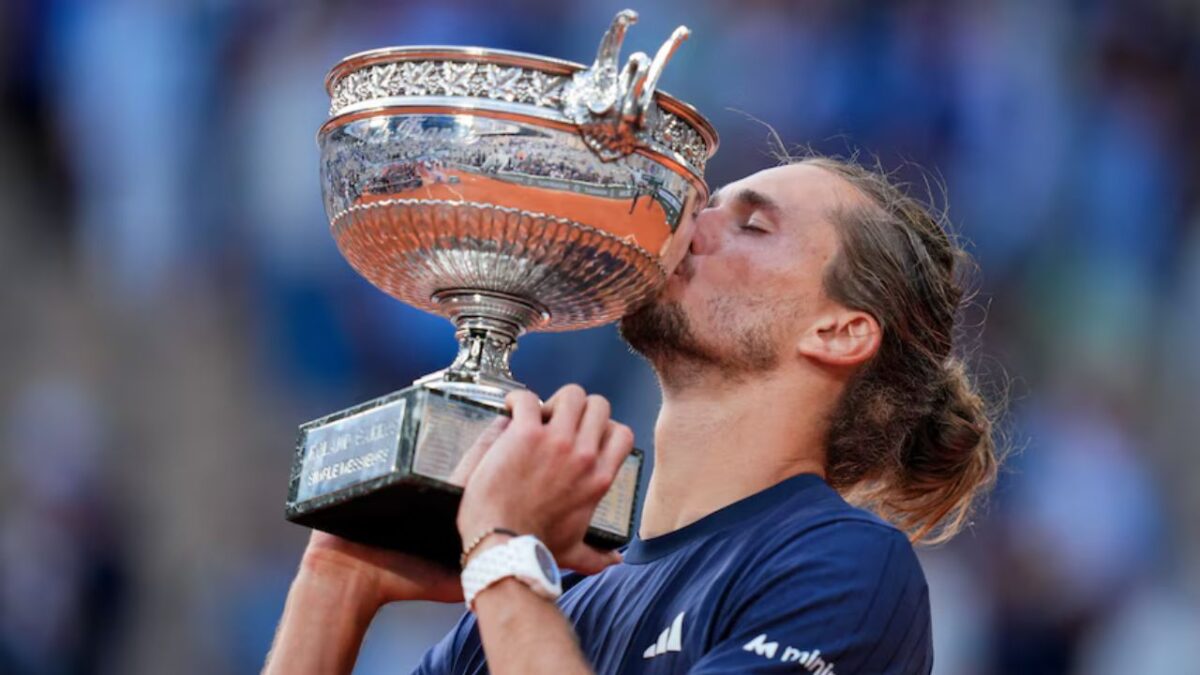
Wimbledon has historically stood as the most frustrating major tournament of Zverev’s career. He has never advanced past the round of 16 in London, a stark contrast to his deep runs at the Australian Open, US Open, and Roland Garros.
While his tall frame and booming serve should theoretically make him a dominant force on grass, the physical realities of spending up to five hours a day breathing in concentrated pollen counts have clearly limited his ceiling at the All England Club.
The physical toll of seasonal allergies extends far beyond simple discomfort. In a sport decided by micro-adjustments and split-second reactions, a single bout of fatigue or blurred vision can ruin a match. The continuous use of antihistamines can also cause drowsiness, creating a delicate balancing act for Zverev’s medical team as they try to keep his airways clear without compromising his lightning-fast reflexes.
Breaking the psychological barriers at SW19
Despite the annual physical setback, Alexander Zverev’s camp is projecting optimism that hasn’t always been present ahead of the grass season. Fresh off a spectacular championship run at Roland Garros, where he proved his elite status over a grueling fortnight on clay, the German is playing with a renewed sense of confidence. He has publicly stated that he views this year’s championships as a prime opportunity to finally push past his previous limits on turf.
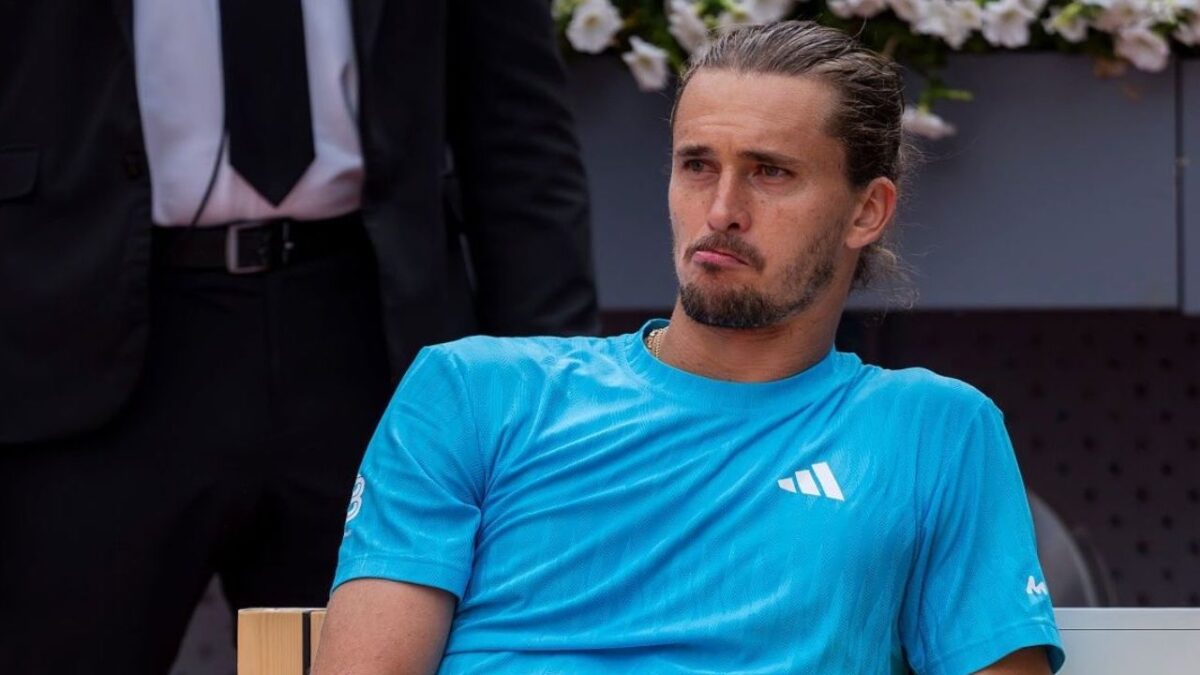
Adapting to grass requires a shorter backswing, lower knee bends, and a willingness to move forward into the forecourt. For Zverev, these tactical adjustments must happen simultaneously with his physical adaptation to the environment. If he can manage the inflammation and respiratory issues effectively during the opening week, his elite serve and improved volleys could finally translate into a deep second-week run.
Tennis analysts have frequently pointed out that his baseline positioning on grass is often too deep, a habit likely exacerbated by a desire to avoid the heavily bruised grass near the baselines, where pollen release can peak during hot afternoons. Shifting his mindset to embrace a more aggressive, forward-moving style could help shorten points and limit his total time exposed to the elements.
Also Read: Novak Djokovic Draws Epic Inspiration from Serena Williams for Historic Grand Slam Bid at Wimbledon
Fahad Hamid
(1769 Articles Published)