

Roger Federer Mentions 3 Matches that Hurt Him the Most: “I’m the King of Lost Match Points”
Roger Federer played singles at the US Open for the first time since 2019.
 Follow Us
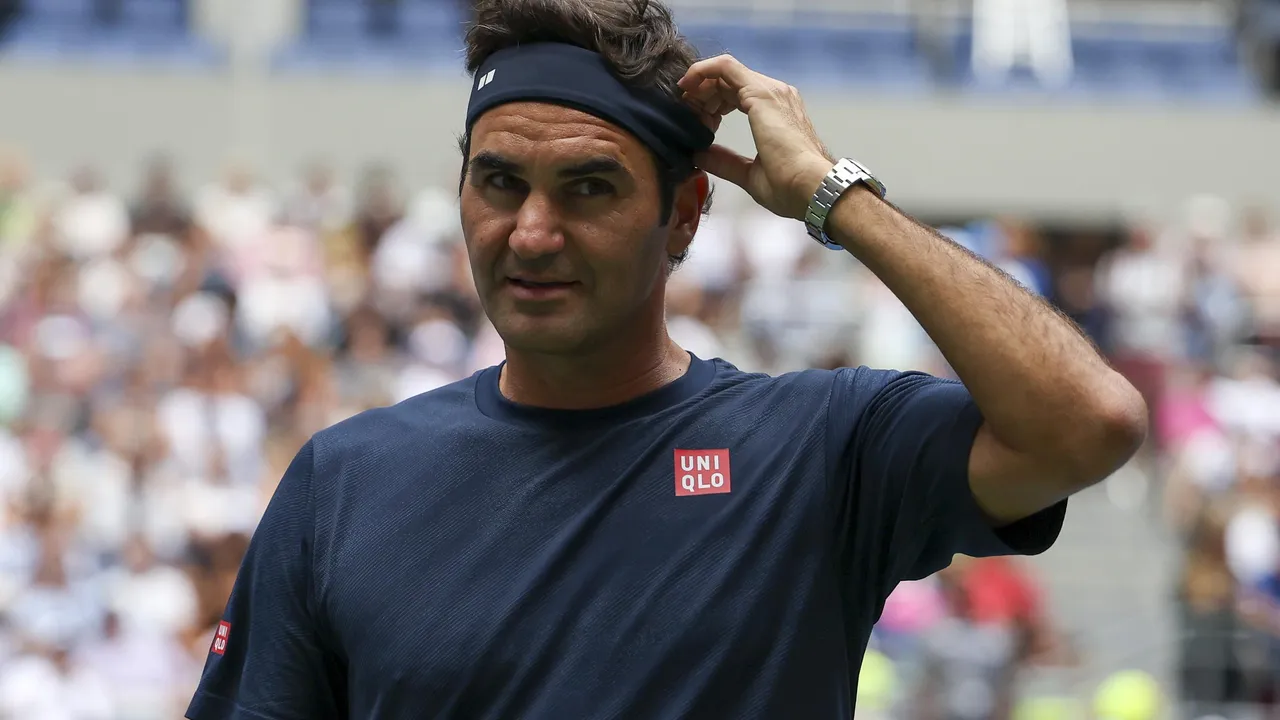
Roger Federer (via BGNES)
Swiss tennis legend Roger Federer made his comeback to the tennis courts at the US Open, where he played singles at Flushing Meadows for the first time since the 2019 quarterfinal loss to Grigor Dimitrov. Despite the celebrations, Federer was asked about the match that hurt him the most.
Federer mentioned three matches in his career: the 2019 Wimbledon final, the 2009 US Open final, and the 2008 Wimbledon final. However, he believes that he got over the 2019 Wimbledon final a lot quickly than the 2009 US Open or the 2008 Wimbledon finals. He told ESPN Tennis:
I suppose the 2019 final with Novak. I think I played very well in the semifinals and also very well in the final. It’s funny that I regret those matches against Rafa and Delpo more than the match with Novak. I am the king of lost match points.
Federer was going for a 6th consecutive Grand Slam title in a particular event at the 2008 Wimbledon and the 2009 US Open. He never added another US Open title to his CV, but ended up adding another 3 at Wimbledon after his streak snapped in 2008.
¿Cuál fue la final de Grand Slam perdida más dolorosa para Roger Federer? 😱🗣️
— ESPN Tenis (@ESPNtenis) August 26, 2026
📺 Mirá el #USOpen en el Plan Premium de Disney Plus. pic.twitter.com/HqtSVV2eMt
The 2019 Wimbledon final was the last Grand Slam final of Federer’s career. It ended up being the longest Wimbledon final in history, with the final set tiebreak deciding the match at 12-12. That rule was scrapped eventually.
Roger Federer rolls back the years at the US Open
Roger Federer’s exhibition at the US Open was more than nostalgia. It was a reminder of his enduring charisma and ability to captivate fans, even at 45. His victory over Andy Roddick and subsequent doubles triumph with John McEnroe against Roddick and Andre Agassi turned Arthur Ashe Stadium into a celebration of tennis history.
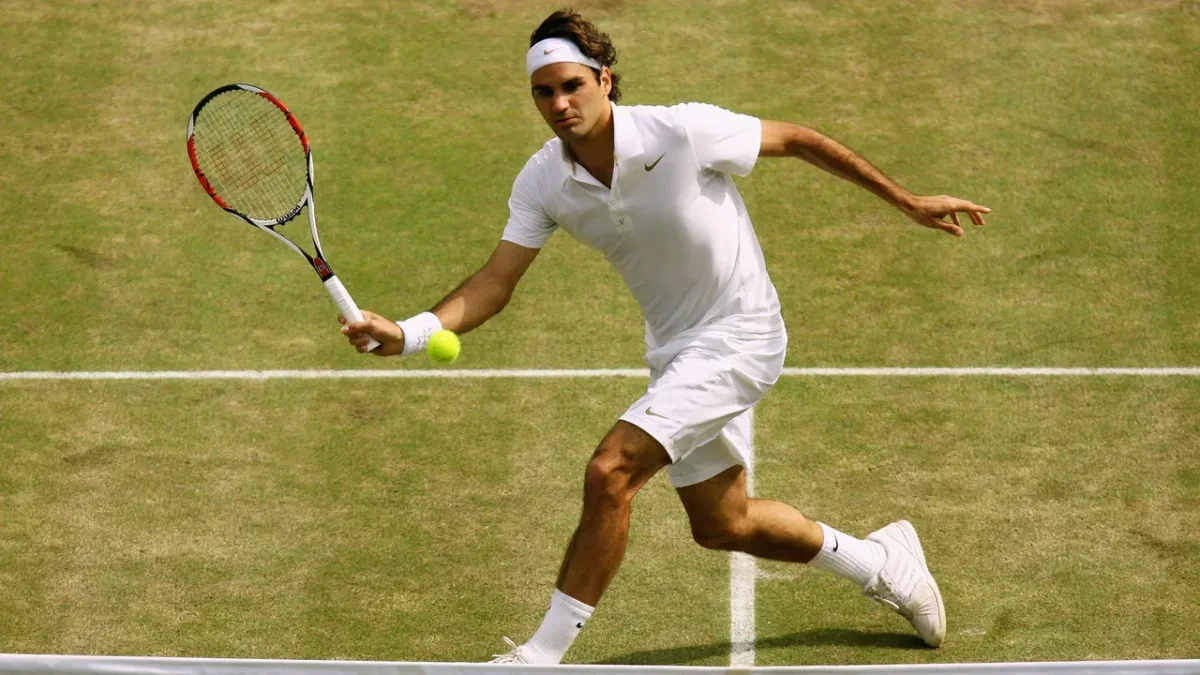
Federer opened the night with a one-set singles match against Roddick, rekindling memories of their classic battles from the mid-2000s. Despite the exhibition format, Federer’s timing, precision, and fluid shot-making drew loud applause, proving that his artistry remains intact. Roddick, who is approaching 44, brought his trademark power but couldn’t match Federer’s rhythm, giving the crowd a taste of vintage tennis.
The evening escalated when Federer partnered with McEnroe to face Roddick and Agassi. The doubles clash blended eras with Federer’s elegance, McEnroe’s flair, Roddick’s serve, and Agassi’s baseline grit. The chemistry between Federer and McEnroe delighted fans, as they combined sharp volleys and clever angles to secure the win. It was less about competition and more about showcasing personalities that defined tennis across decades.
Federer’s presence at the US Open carried emotional weight. He hadn’t played on the New York stage since 2019, and his reflections highlighted how deeply he values the city and its fans. He recalled his first encounter with Agassi in 2001, when he was humbled in straight sets, and contrasted it with the five consecutive US Open titles between 2004 and 2008.
US Open announces top seeds
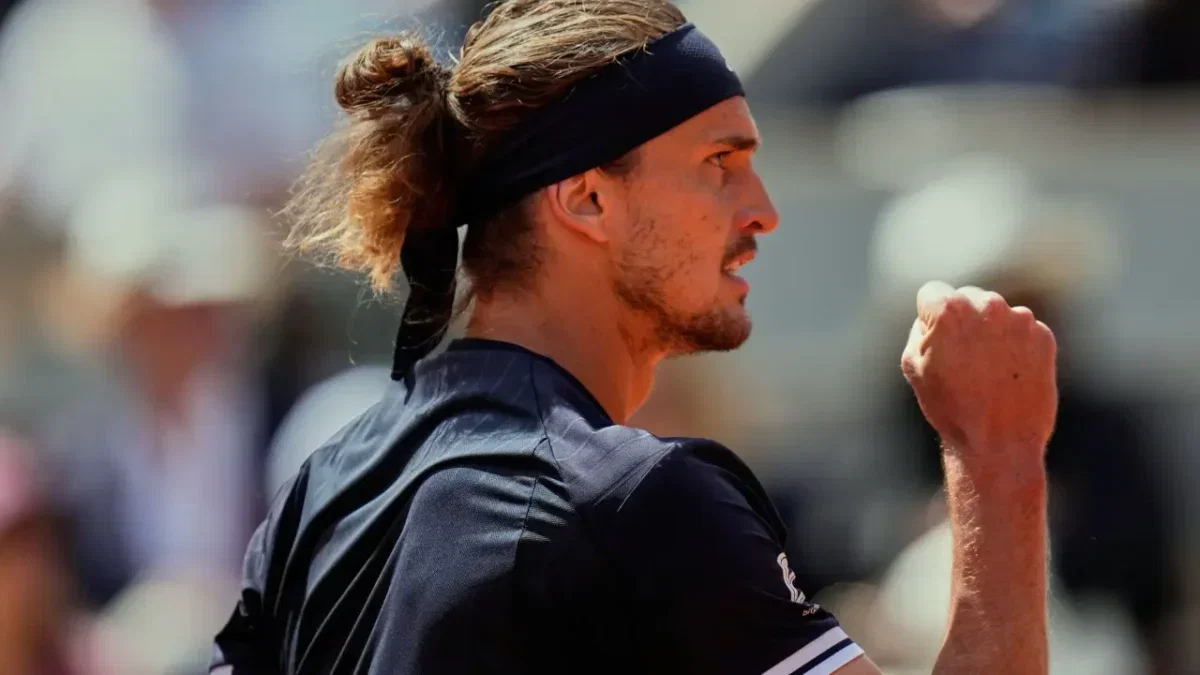
Alexander Zverev’s elevation to the top seed at the 2026 US Open reshaped the men’s draw in dramatic fashion. With Jannik Sinner sidelined by injury, Zverev enters New York carrying the weight of expectation after his Roland Garros triumph. His form has been uneven in recent weeks, but the seeding ensures he avoids Carlos Alcaraz and Novak Djokovic until the semifinals, giving him a clear path to assert dominance.
Alcaraz, seeded second, returns to Flushing Meadows as the defending champion but with lingering questions about his fitness. Having missed much of the summer due to a wrist injury, his preparation is far from ideal. Yet his explosive style and ability to rise on big stages make him a dangerous contender, even if his rhythm is not fully restored.
On the women’s side, Aryna Sabalenka’s No. 1 seeding reflects her hard‑court supremacy. She arrives in New York chasing a rare three‑peat, having already claimed the last two US Open titles. Her aggressive baseline game and mental resilience have made her the player to beat, though Elena Rybakina’s presence as the second seed adds intrigue to the top half of the draw.
Coco Gauff’s surge into the fourth seed position is another storyline that energizes the home crowd. Fresh off her Cincinnati title, she enters with confidence and momentum, while Jessica Pegula’s consistency as the third seed strengthens the American challenge. With Alex Eala breaking new ground for Philippine tennis as the 17th seed, the women’s field feels both historically significant and wide open.
Also Read: Jessica Pegula Dreams of Coaching Novak Djokovic: “Would Love to Know What Goes Through His Mind”
Fahad Hamid
(1769 Articles Published)