

Alexandra Eala Mentions the Legendary Manny Pacquiao Behind her Rise After Beating Iga Swiatek at Wimbledon
Alexandra Eala is now 2-1 in H2H against Iga Swiatek.
 Follow Us
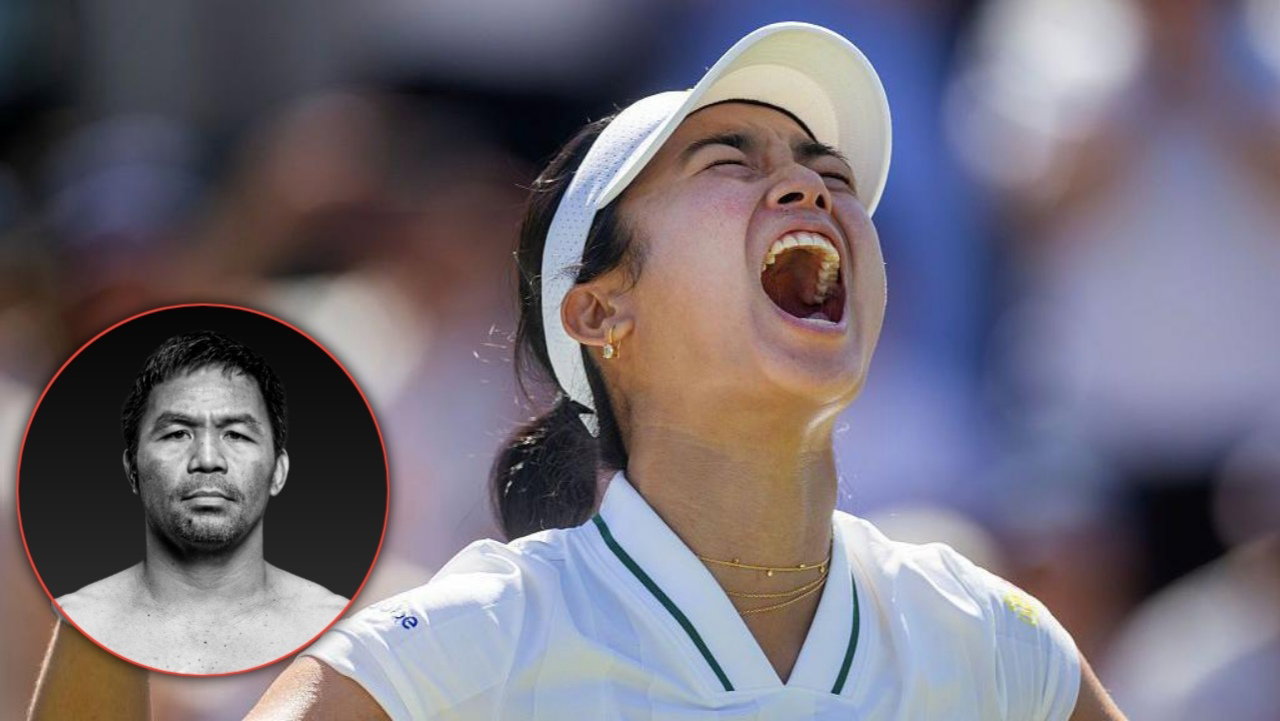
Alexandra Eala and Manny Pacquiao (inset) (via The Tennis Letter)
The grandest stage in tennis just witnessed one of its most stunning modern upsets, as Alex Eala knocked out reigning Wimbledon champion Iga Swiatek in a masterclass of composure and court coverage. The historic victory marks a seismic shift for Philippine tennis, instantly elevating the young star from a highly touted prospect into a legitimate Grand Slam contender.
In the post-match reflections following her career-defining victory, Eala opened up about the deep-rooted cultural inspirations that shaped her competitive spirit long before she ever picked up a professional racket.
When asked about the figures who fueled her drive beyond her well-documented training at Rafael Nadal‘s academy, the young star immediately pointed to the ultimate combat sports icon of her homeland, Manny Pacquiao.
Of course the kind of national hero in sports in the Philippines is Manny Pacquiao. He is the kind of first global athletic figure from the Philippines who I can remember and associate a lot of my childhood memories with. When he would have fights, it would really be like holidays in the Philippines. We would gather and we would watch his fights. And it would be, like, people would call off work. It would really be event. He is someone super inspiring as an athlete. In recent years, Hidilyn Diaz, who won the first Olympic gold medal for the Philippines is a huge inspiration…We are really hard workers. When it counts, we can show up.
This tradition of national paralysis during major sporting events is a phenomenon few athletes globally have ever achieved, and Eala recalls that collective energy as a foundational element of her identity. The imagery of empty streets in Manila and families packed tightly around television screens provided her with a blueprint for how sports can transcend mere entertainment.
Alex Eala says she associates a lot of her childhood memories with Manny Pacquiao, ‘When he would have fights, it would really be like holidays in the Philippines. We would gather and we would watch his fights. People would call off work’
— The Tennis Letter (@TheTennisLetter) July 4, 2026
“You’ve spoken a lot about Rafa Nadal’s… pic.twitter.com/tSOIHCJB7S
This monumental triumph sends shockwaves through both the WTA draw and the international sporting community, signaling the arrival of a new powerhouse on the global tennis scene. For a nation deeply passionate about athletics but traditionally starved of an elite in tennis, Eala’s breakthrough represents more than just an individual win. It is a unifying cultural moment that bridges generations of Filipino excellence.
Tactical brilliance and the Rafael Nadal connection
While her emotional fire is deeply Filipino, Alex Eala‘s tactical framework has been sharpened by years of intense training at the Rafa Nadal Academy in Mallorca, Spain. The influence of the 22-time Grand Slam champion is visible in every aspect of her game, from her relentless court coverage to her heavy, looping lefty forehand that disrupts the natural timing of right-handed opponents.
Against Iga Swiatek, this technical foundation allowed her to neutralize one of the most lethal returns in the women’s game, using variety, slice, and unexpected dropshots to keep the top seed completely off-balance.
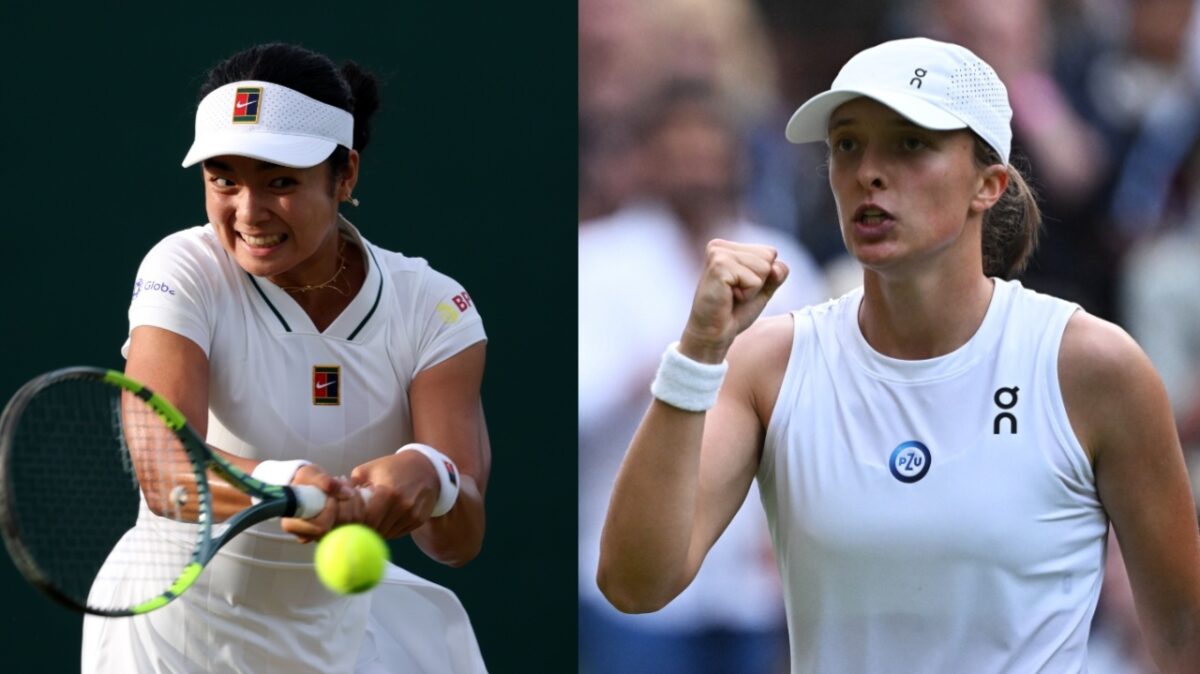
The victory marks the culmination of years of quiet sacrifices, moving away from home at a young age to test her skills against the absolute best in Europe. Tennis insiders have long predicted a major breakthrough for Eala, given her spectacular junior career, which included multiple Grand Slam doubles titles and a historic US Open girls’ singles championship. However, translating junior dominance into main-draw victories at the senior level requires a psychological maturity that many prodigies struggle to find.
The reaction across the tennis world has been immediate and celebratory, with analysts praising her composure during the match’s closing moments when serving for the biggest victory of her life. Rather than tightening up under the immense pressure, she trusted her heavy groundstrokes and attacked the net with clinical precision.
This fearlessness has instantly endeared her to the local crowds, turning her into one of the most captivating storylines of the entire tournament as casual fans rally behind the ultimate underdog.
A crucial turning point for the Wimbledon draw
With the defending champion and tournament favorite officially eliminated from the competition, the upper half of the women’s singles draw has been blown wide open, creating an unpredictable path to the final. Alex Eala now finds herself thrust into the spotlight not just as a feel-good underdog story but as a dangerous competitor that every remaining seed will actively want to avoid. The vacuum left by Iga Swiatek‘s departure offers a monumental opportunity for the young star to make a deep, deep run into the second week of the tournament.
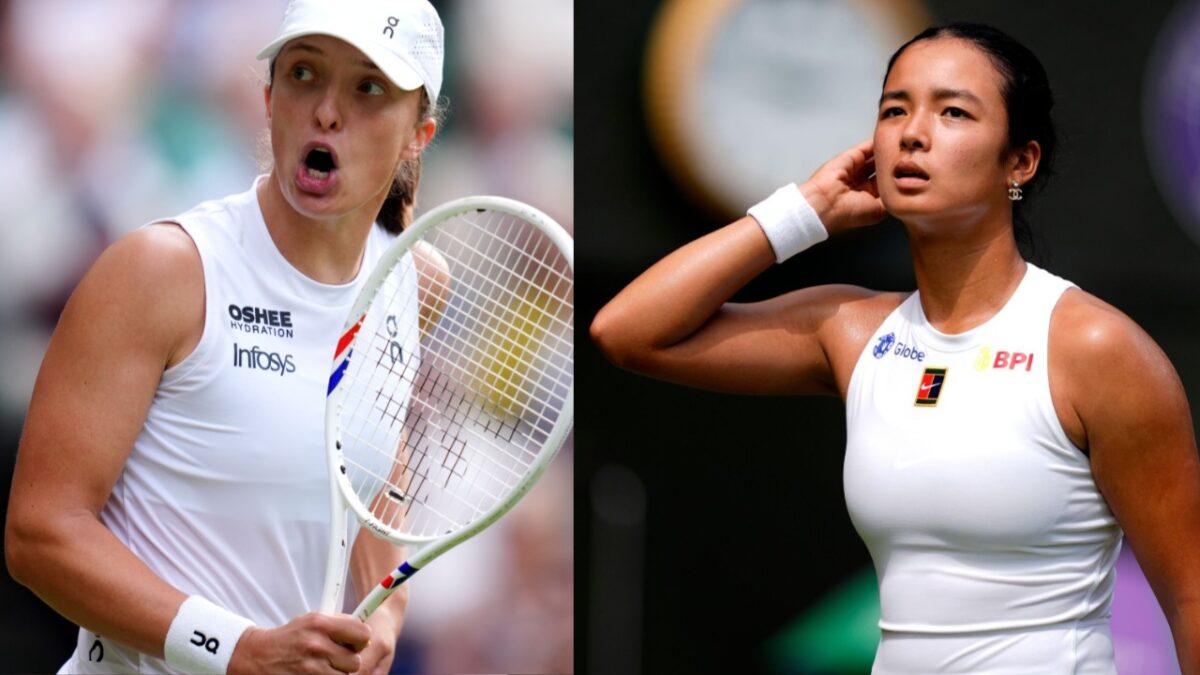
Next up for the rising star is a highly anticipated matchup against the tournament’s remaining dangerous veterans, where she will need to quickly recalibrate from the emotional high of an upset to the businesslike focus required for an extended tournament run. The physical toll of defeating the world number one cannot be understated, and recovery will be paramount as the surface becomes faster and more worn down with each passing round.
Back home in Manila and across the vast global diaspora, the festive atmosphere described by Eala during the old Pacquiao days is officially repeating itself, this time with a tennis racket in hand. Workplaces are pausing, social media feeds are completely dominated by her name, and an entire generation of young Southeast Asian athletes is watching a barrier fall in real-time.
Eala entered the tournament as a dangerous floater, but she leaves the court today as an immortalized giant-killer, ready to write the next great chapter in her country’s rich sporting history.
Fahad Hamid
(1769 Articles Published)