

Andy Roddick Targets US Open Critics Over Increased Ticket Prices: “Have a Nuanced Argument”
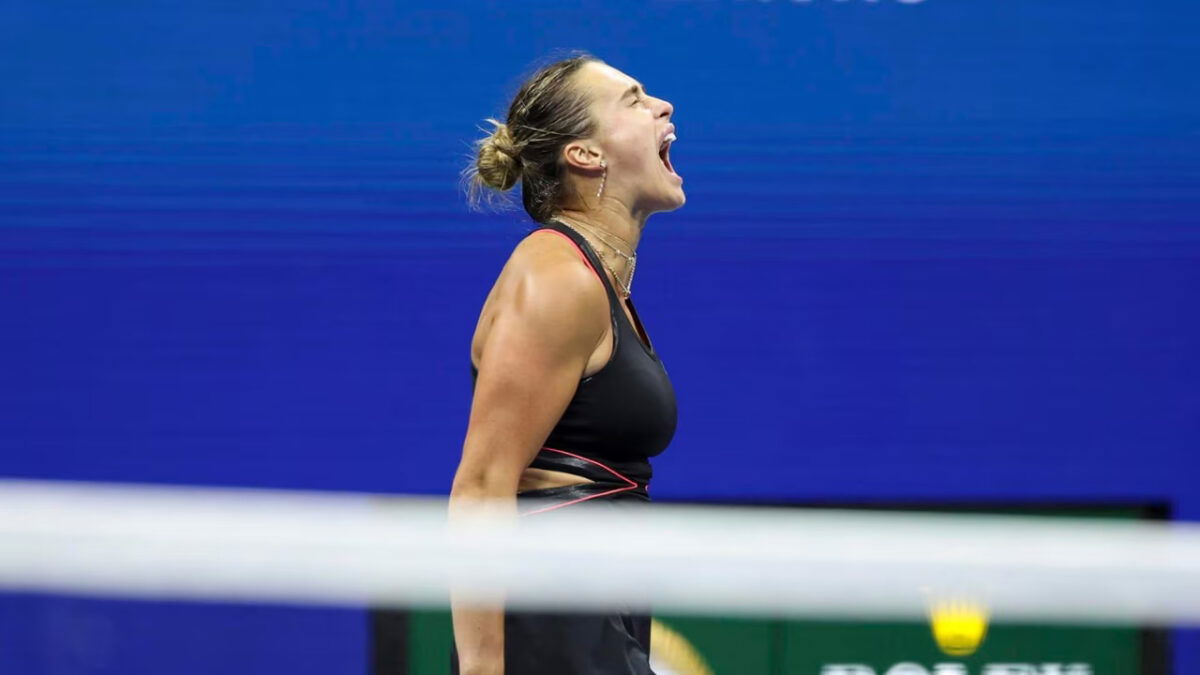
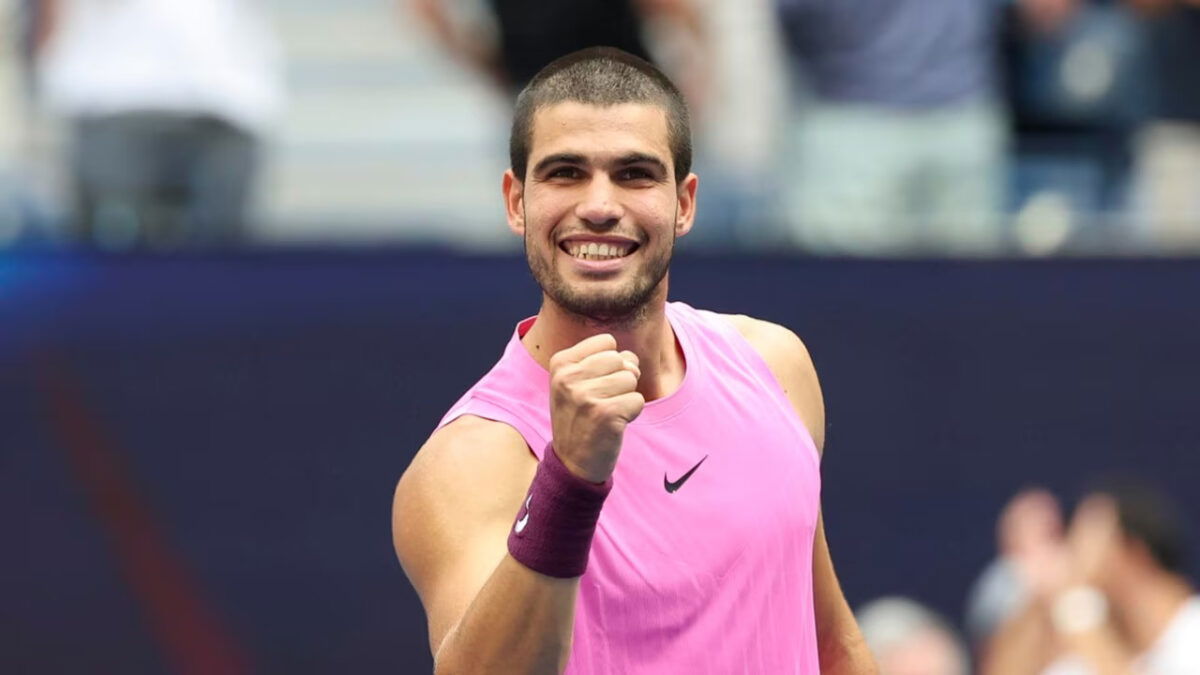
Carlos Alcaraz and Aryna Sabalenka are the defending US Open champions.
 Follow Us
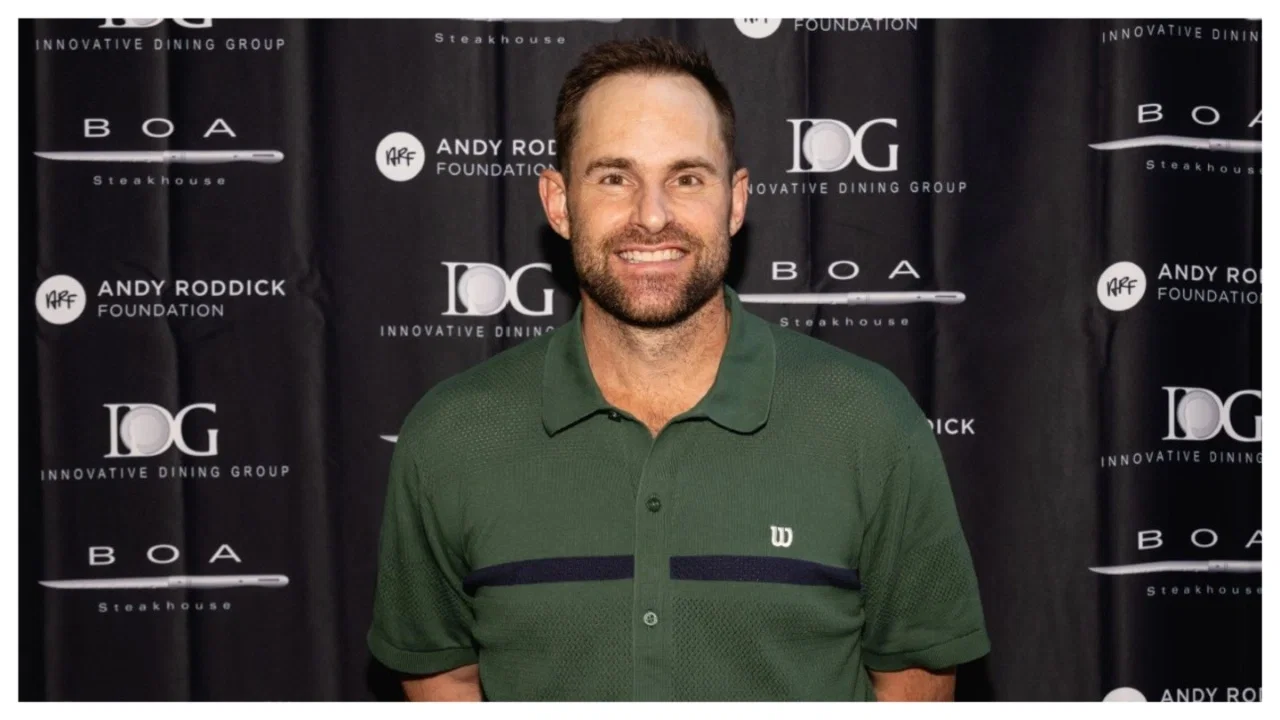
Andy Roddick (via ESPN)
The tennis landscape is shifting beneath our feet, with the United States Tennis Association (USTA) delivering a financial earthquake that will ripple through the locker rooms of the ATP and WTA tours. As the tennis world prepares for the 2026 US Open, the tournament has announced a record-shattering $108 million total compensation package, cementing its status as the most lucrative destination in the sport.
While the financial news dominates the headlines, the conversation in tennis circles often drifts back to the voices that shaped the previous generation, like Andy Roddick. Roddick has consistently been a polarizing but necessary voice in the tennis media landscape, often bridging the gap between old-school mentalities and the data-driven, nuanced analysis that modern fans crave. Roddick said on the Served Podcast:
So listen, smart people are getting on an opinion that benefits themselves, right? They do this without mentioning secondary marketing and how the pricing actually works once it’s out of the USTA’s hands—which you have to go through. So listen, just have a nuanced argument. Is it overpriced? Is it too expensive? Hell yes, completely agree on that. Absolutely, we’re not arguing that it’s not. This sucks.
Roddick remains a central figure in these discussions because he understands the tension between the sport’s history and its necessary evolution. As the 2026 US Open looks to the future with its massive prize pools and new support programs, there is a recurring theme of ensuring that the “Roddick” style of grit and competitive fire still has a home in a modern, professionalized environment.
The reality of the sport today is that it has moved away from the more informal structures of the early 2000s. Tennis is now a massive, global entertainment machine. However, the influence of former champions who have transitioned into media roles ensures that the athlete’s perspective is never entirely lost. It is a balance between the commercialization of the US Open and the sport’s soul.
The US Open prize money leap explained
This historic leap represents a 20 percent increase from last year’s purse, marking the second consecutive year of such a massive hike. In just two years, the total payout at Flushing Meadows has surged by 44 percent. For the players who grind out their living on the tour, this isn’t just a headline. It’s a massive upgrade in economic reality that changes the stakes for every match played in Queens.
According to World Tennis Magazine, the USTA’s decision to commit $108 million is framed as a strategic investment in the sport’s future. By significantly increasing pay across all rounds, including a massive $5.5 million payout for the singles champions and $140,000 for a first-round main draw appearance, the tournament is making a clear statement about how it values the labor of its athletes.
For the journeymen and the rising stars, this matters immensely. The increase at the qualifying level and in early rounds is a lifeline that helps bridge the gap between the sport’s elite and those struggling to fund their travel and coaching. When you look at the economics of professional tennis, where the margin between success and insolvency can be paper-thin, these numbers aren’t just figures; they represent a fundamental commitment to sustainability.
The evolution of the player support program
Beyond the raw prize money, the US Open is introducing a groundbreaking Player Support Program, marking the first time a Grand Slam has formalized such a financial safety net. With an initial $2 million earmarked for this initiative, the tournament is moving toward a model that supports athletes not just during their peak, but through the transitions of their lives and careers.
This program, which will be managed with input from the newly formed Grand Slam Player Council, is designed to be accessible to main-draw singles and doubles players, regardless of their ranking tiers. It is a departure from the traditional winner-take-all narrative that has defined tennis for decades. Instead, it signals a shift toward viewing the athlete as a long-term partner of the sport.
The USTA’s leadership, including CEO Craig Tiley, has emphasized that this is just the first step in a multi-year investment plan. The goal is to make the US Open the premier economic platform in the game. By creating a structure that helps players navigate life events and retirement, they are trying to fix one of the sport’s oldest problems: the precariousness of a tennis career.
The collaboration with the other three Grand Slams to form the Player Council adds another layer of significance. It shows a rare moment of unity among the majors, acknowledging that players need a more consistent voice in how the game is governed and how the sport’s wealth is distributed. The era of the “player as a spectator” in their own industry seems to be coming to an end.
Also Read: Rennae Stubbs Advises Rafael Jodar to Hire Carlos Alcaraz’s Ex-Coach Juan Carlos Ferrero
Fahad Hamid
(1769 Articles Published)