

Aryna Sabalenka Embraces the Noise Over Her Bold US Open Wardrobe: “They Always Complain”
Aryna Sabalenka is seeking a three-peat at the US Open.
 Follow Us
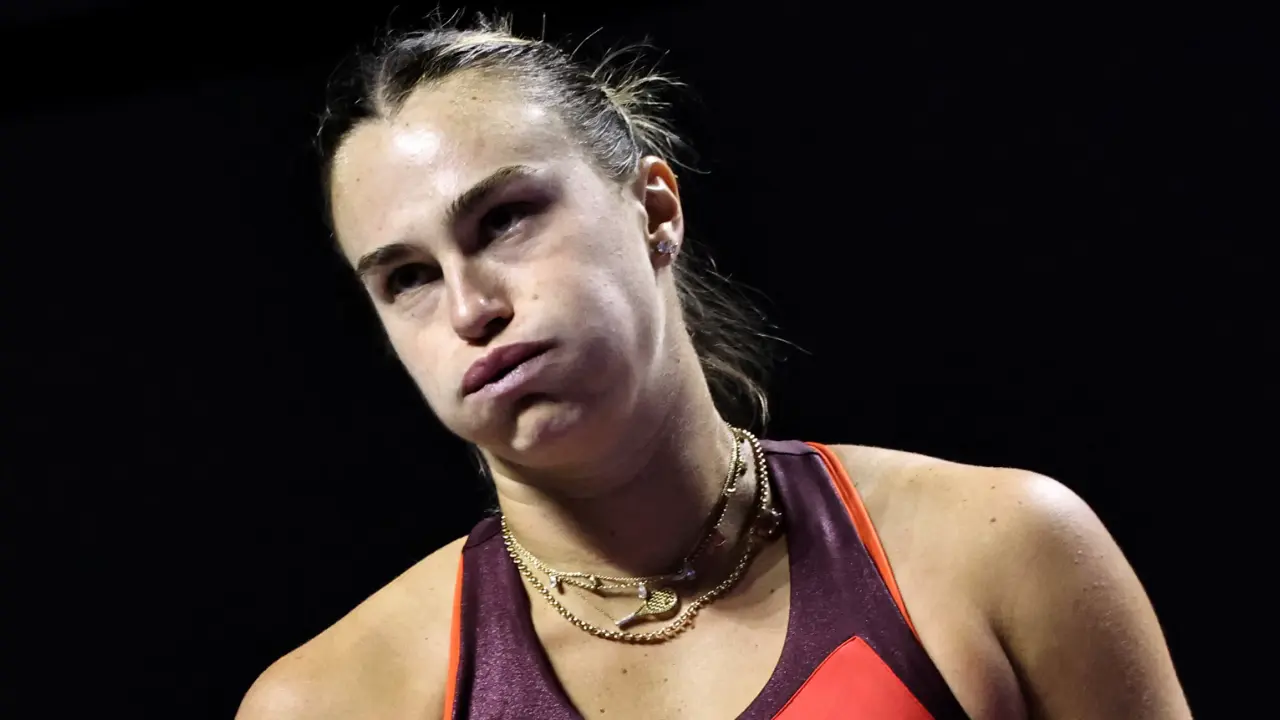
Aryna Sabalenka (Image via The Independent)
World No.1 Aryna Sabalenka has officially defended her divisive, basketball-inspired Nike kit for the upcoming US Open after facing sharp backlash from tennis fans on social media. The prominent tennis star addressed the public commentary during her pre-tournament media sessions at Flushing Meadows, making it clear that she welcomes creative design risks.
The outfit in question features a vibrant orange-red dress overlaid with a distinct black net-like lace pattern explicitly designed by Nike to mimic a basketball hoop. Social media critics quickly lambasted the look as unconventional and jarring, sparking a wider debate about traditional tennis dress codes and modern athletic apparel aesthetics. Sabalenka said in her press conference:
I love basically everything about my outfit. I love that it’s different. I love that it’s bold. Whatever people are saying on the internet, I heard that they probably don’t like it. I don’t really.. like, it’s funny for me. When Nike was pretty simple and standard they were complaining. When Nike went really cool and fun and trying to get back, they always complain. So who cares about people right? All that matters for me is that I love it. For me it’s super fun. Plus it’s really cool for pictures.
Sabalenka remained completely unfazed by the negative reactions, emphasizing that personal fashion experimentation matters deeply to her. According to the published reports, the apparel is part of Nike’s overarching 2026 Grand Slam narrative, which links outfits at each major tournament to entirely different sports.
Aryna Sabalenka doesn’t care if people on the internet don’t like her US Open kit, ‘When Nike went pretty simple & standard they were complaining. When Nike went really cool & fun & trying to get back, they always complain’
— The Tennis Letter (@TheTennisLetter) August 28, 2026
“I love basically everything about my outfit. I love… pic.twitter.com/ovvmm42h5z
Following surf-inspired gear in Australia, ballet themes at Roland Garros, and cricket aesthetics at Wimbledon, the brand chose American basketball culture for the North American hard-court swing. Sabalenka noted that public tastes are inherently subjective, meaning it is impossible to design something that pleases every traditionalist spectator in the tennis community.
Aryna Sabalenka – US Open stakes and draw
The 2026 US Open main draw has placed significant competitive pressure on Aryna Sabalenka as she attempts to defend her status at the pinnacle of the women’s game. She arrives in New York carrying the full burden of defending 2,000 ranking points from her previous title run, leaving zero room for an early slip-up.
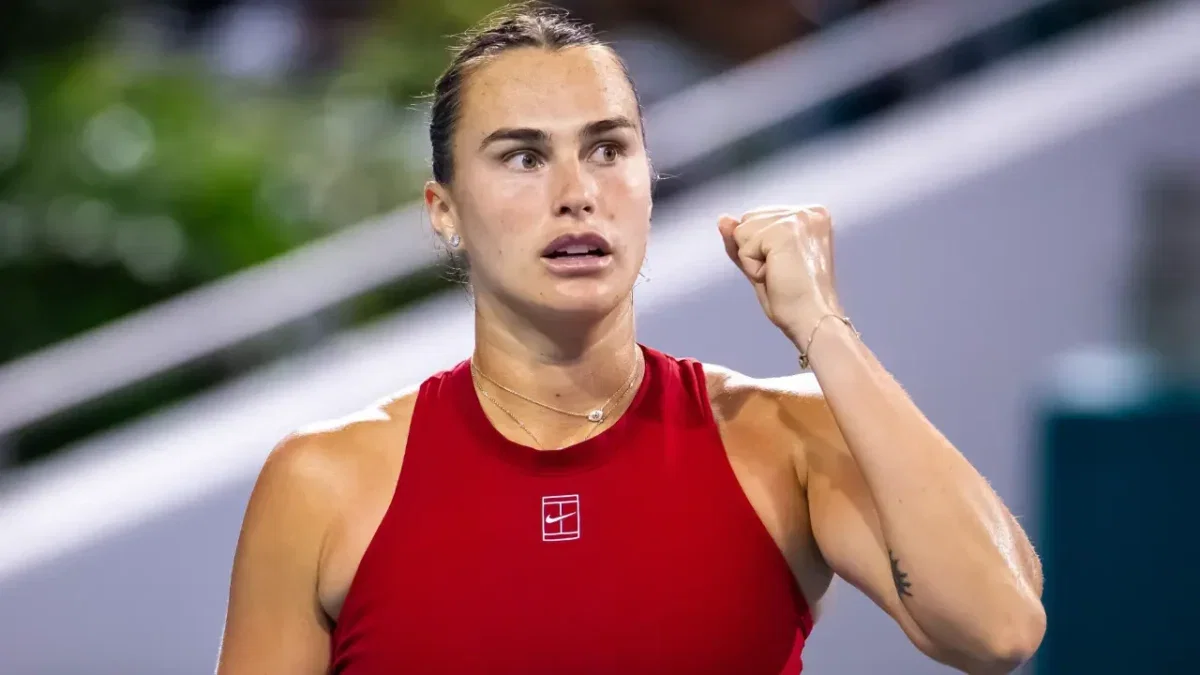
Her opening match pits her against Colombian player Camila Osorio, a former US Open junior champion with prior experience playing against the top seed. Osorio’s solid baseline consistency and deep court coverage mean the world number one must dictate play immediately to avoid extended rallies.
Looking further down the tournament bracket, potential obstacles loom large for the top seed in the subsequent rounds. Former Grand Slam champion Barbora Krejcikova waits as a projected third-round opponent, while elite competitors like Linda Noskova and Marta Kostyuk occupy her quarter of the draw.
Despite the demanding path, Sabalenka maintains an impressive historical hard-court pedigree that keeps her heavily favored among bookmakers. Her consistent ability to reach the deep rounds of major championships underscores her readiness for the rigorous fortnight ahead.
US Open prize money and player impact
The US Open administration officially announced a record-breaking total prize purse of $108 million for the 2026 tournament. This substantial financial increase arrives alongside plans from all four Grand Slam events to establish a formal player advisory council.
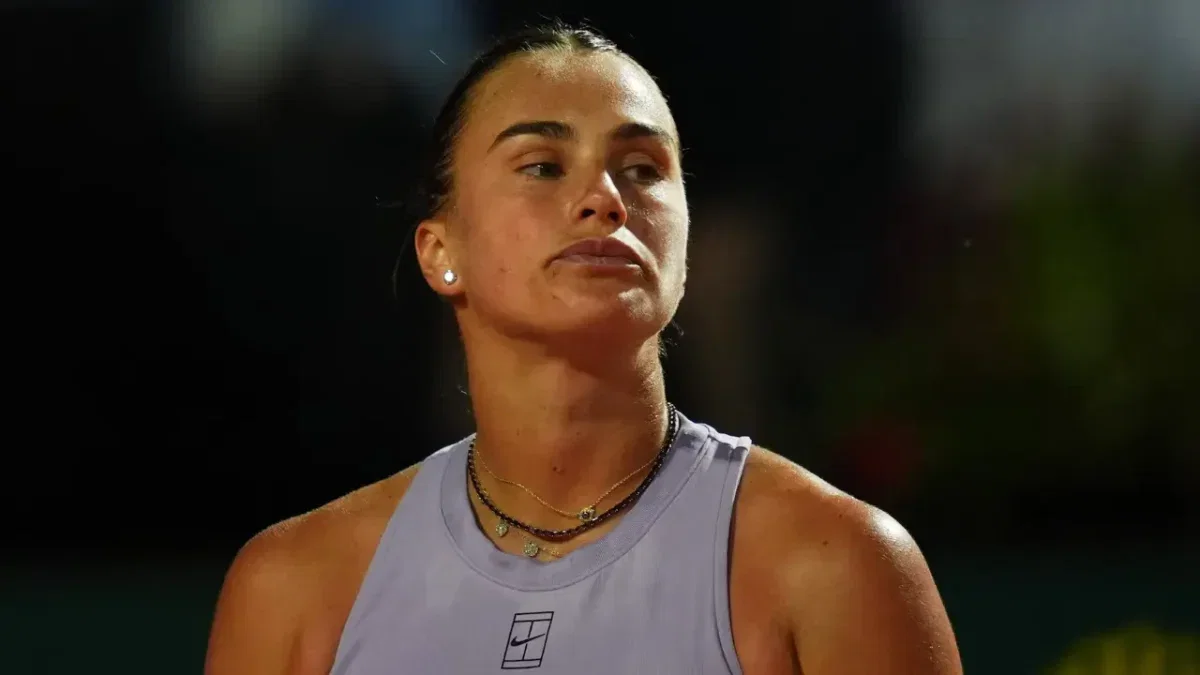
Aryna Sabalenka and other leading athletes vocally championed these financial adjustments following months of active player-led advocacy. During earlier major events like the French Open and Wimbledon, top competitors restricted their pre-tournament media obligations to protest for a greater share of commercial revenues.
Speaking with reporters, Sabalenka expressed relief and satisfaction regarding the positive shift in tournament revenue distribution. She noted that these structural improvements should successfully eliminate the threat of future player boycotts or restricted media availability.
American star Jessica Pegula also praised the collective unity between the men’s and women’s tours in securing these historic financial concessions. Both athletes agreed that maintaining strong collaboration with tournament organizers will remain crucial for the ongoing growth of professional tennis.
Fahad Hamid
(1769 Articles Published)