

Aryna Sabalenka Defends Prize Money Boycott With Wimbledon Rocked by Player Protest
Aryna Sabalenka is set to face Teodora Kostovic in the first round of Wimbledon 2026.
 Follow Us
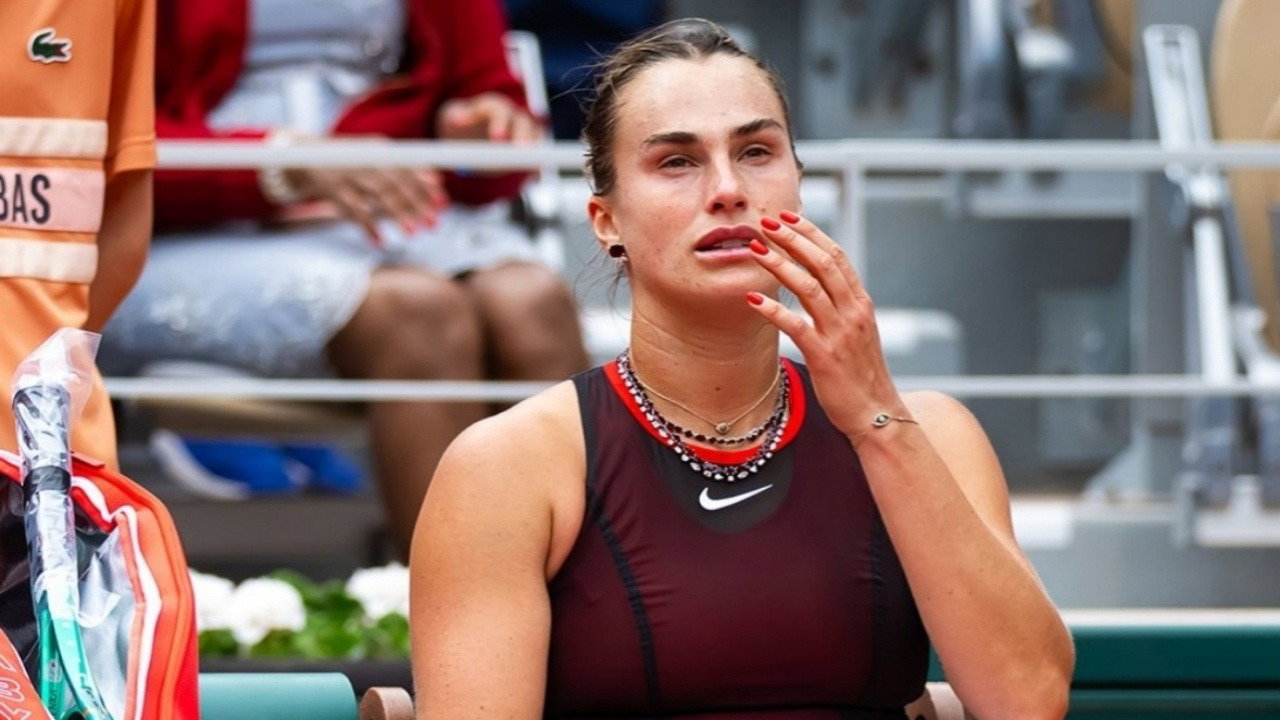
Aryna Sabalenka (Image via X/Yahoo Sports)
World No. 1 Aryna Sabalenka has sent shockwaves through the All England Club on the eve of the tournament, leading a high-profile media boycott alongside other top tennis stars to protest what players call stagnant Grand Slam prize money.
The reigning US Open champion confirmed that players are limiting their post-match press commitments during the opening rounds of the championships in a coordinated bid to force tournament organizers and the ITF to the negotiating table.
Sabalenka fiercely defended the locker room’s collective action during her preliminary remarks. The Belarusian star insisted that the drastic measures are not born of personal greed but are a direct act of solidarity aimed at safeguarding the livelihoods of lower-ranked competitors who are being actively priced out of the sport they keep afloat.
It’s a great start that the prize money has been increased. It’s a fantastic beginning, but if you look at the evolution of the last ten years and compare the prize money to that of 2016, it’s practically the same because there were even years when it decreased. It’s a good first step; I truly hope that finally we can sit down to negotiate and reach an agreement that satisfies all parties. Hopefully, we won’t have to go through a situation like this again.
The standoff marks a critical inflection point for a sport historically plagued by deep wealth disparity between its global icons and its rank-and-file competitors. While multi-millionaire superstars can absorb inflation and the massive costs of a modern traveling entourage, the economic reality for athletes sitting outside the top 100 is increasingly unsustainable. She added:
As I mentioned earlier, if you analyze the evolution of prizes over the last ten years, they have practically remained the same. Again, I hope we don’t have to talk about boycotts again. Listen, we don’t do this for ourselves; we do it for the circuit. We do it for all those players who can barely afford to hire a coach. Life is not easy for those lower in the rankings; we are fighting for them. I am convinced that the public understands us; we play the matches, compete, and provide the spectacle. The only thing we are currently limiting is our commitments to the media. We simply try to reach an agreement that satisfies all parties.
The raw math backs up her frustration. When factored against global inflation, soaring international travel costs, hotel premiums, and the rising cost of specialized coaching, physical therapy, and medical support, a first-round exit payout in 2026 carries significantly less purchasing power than it did a decade ago.
Fighting for the unseen: Why the locker room is standing united
The core of the backlash against the protesting players usually follows a predictable, cynical script. Wealthy athletes are complaining about making hundreds of thousands of dollars to play a game. Aryna Sabalenka addressed those critics head-on, shifting the focus away from her own bank account and throwing her considerable cultural weight behind the journeymen and rising stars who form the backbone of the professional tour.
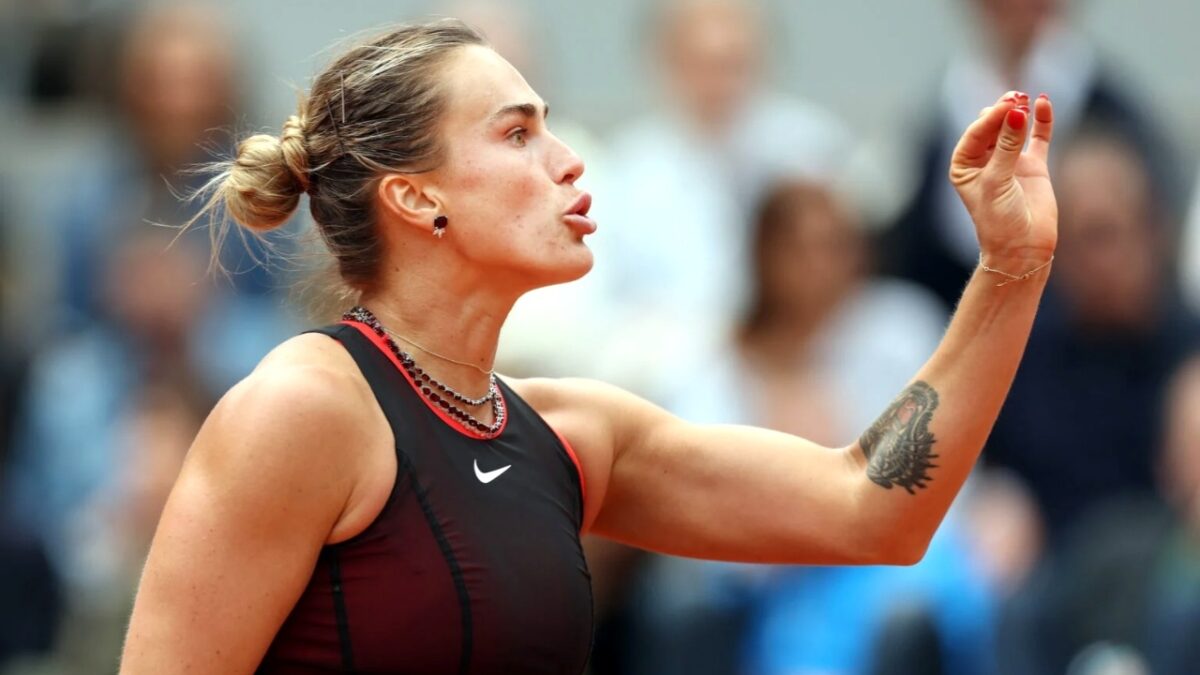
The operational expenses of a professional tennis player are distinct from almost any other major sport. Unlike athletes in the NBA, NFL, or European football leagues, tennis players are independent contractors. They do not receive a guaranteed base salary from a franchise.
They must pay out of pocket for their own flights, their coach’s salary, their physiotherapist’s weekly retention fees, lodging, and specialized equipment. When a player ranked 120th in the world crashes out in the early rounds of a tournament, a significant portion of their prize check is instantly consumed by taxes and operational overhead, leaving barely enough to fund the next block of the season.
Spectacle vs. Subsidies: The growing battle for Tennis revenue
At its heart, this protest is a classic labor dispute over revenue distribution. Tennis generates billions of dollars globally through massive television broadcast rights, corporate sponsorships, ticket sales, and hospitality packages.
Grand Slam events are the absolute crown jewels of this commercial empire, yet the percentage of total tournament revenue that trickles down directly into the player prize pool remains notoriously lower than the 50-50 revenue-sharing models seen in major North American team sports.
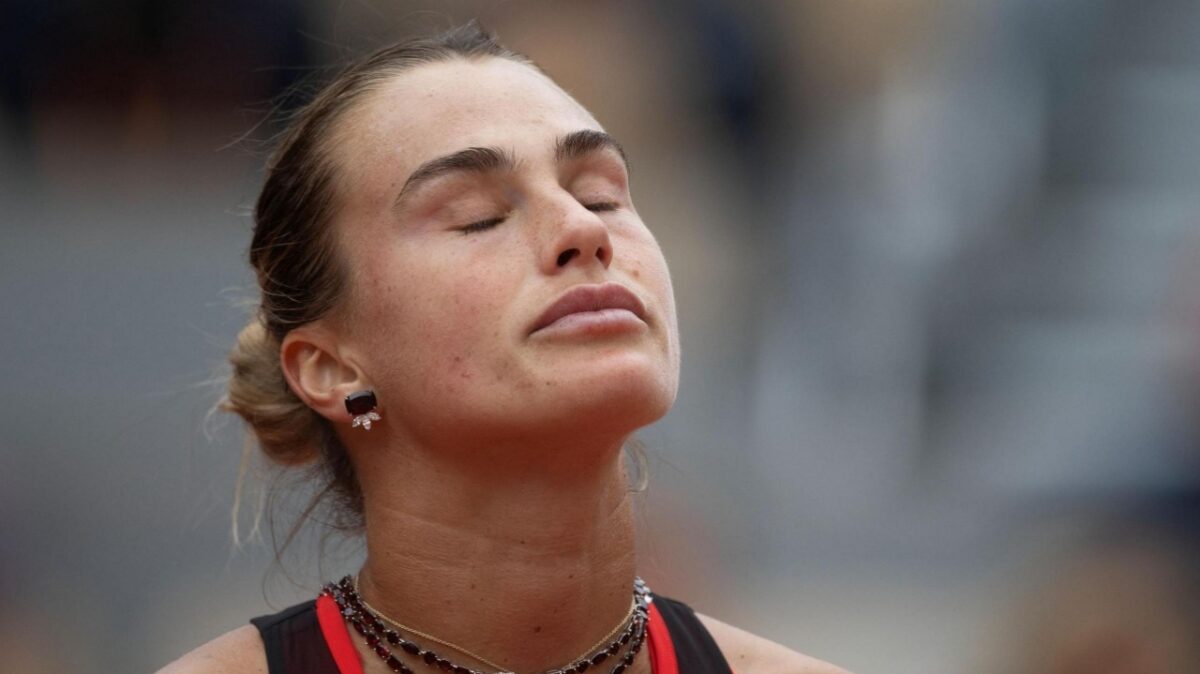
By isolating their protest to media obligations rather than refusing to take the court, the players have engineered a tactical maneuver. They continue to deliver the high-stakes drama on the grass that fans pay to see, ensuring the integrity of the tournament itself remains intact.
However, by turning down the microphones, they are withholding supplementary content that broadcast networks rely on to fill programming hours and drive digital engagement. It is a calculated, quiet disruption designed to pinch executives’ pockets without alienating the fans in the stands.
With the opening rounds of Wimbledon underway, the immediate focus shifts to how the All England Club and the governing bodies of tennis will respond to this organized wall of silence. Penalties for missing mandatory press conferences are traditionally severe, and tournament officials have the authority to levy hefty financial penalties against players who skip their media duties.
Whether executives will actually have the stomach to fine the marquee attractions of the tournament during a highly publicized labor dispute remains the multi-million-dollar question.
Also Read: Jannik Sinner Overhauls Wimbledon Preparations to Defeat the Heat: “We’ve Made Changes”
Fahad Hamid
(1769 Articles Published)