

Aryna Sabalenka’s Coach Discusses Belarusian’s Struggles Heading Into the US Open: “Kind of Lost”
Aryna Sabalenka will kick off her US Open 2026 campaign against Camila Osorio.
 Follow Us
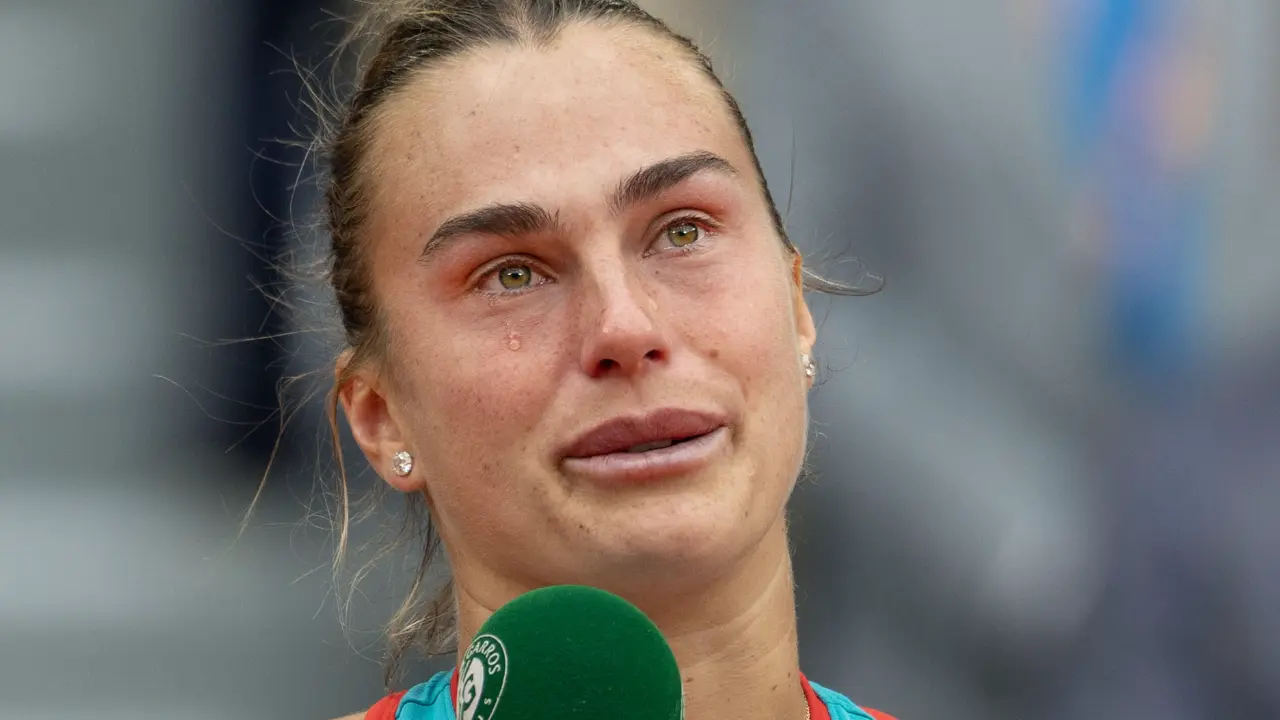
Aryna Sabalenka (Image via BBC)
Aryna Sabalenka arrived at Flushing Meadows carrying an unusual aura of vulnerability after her long-time coach, Anton Dubrov, openly admitted that the world No. 1 has felt “kind of lost” during recent weeks.
Dubrov explained that navigating the grueling pressures of the tennis tour often leaves elite athletes searching for anchors when results and physical rhythms begin to slip away unexpectedly.
To pull herself out of this competitive rut, Sabalenka has consciously drawn inspiration from legendary sporting figures like Novak Djokovic and the late NBA icon Kobe Bryant.
Dubrov pointed out that studying Djokovic’s ability to compartmentalize mid-match adversity and Bryant’s relentless “Mamba Mentality” provides a concrete blueprint for reclaiming her psychological edge. Dubrov said on the Served Podcast:
I think we’re also kind of spoiled, with expectation; you kind of come to the tournament and you’re like, ‘Ok, we’re going to stay here, likely until the end’, and then, not from nowhere, but then you’re like, ‘Ok, we have to go, we have to practice. And then you find yourself, not in a depression, but you’re kind of lost; it’s awkward. But, at the same time, we always have this approach: first of all, we’re looking for the solution, and we’re looking for the greatest one. Let’s say in this situation, what Novak [Djokovic] or Serena [Williams], how they actually get through. And even, like Kobe [Bryant], what he was like approaching his career. There is no all-the-time success in your career. There are going to be downs, but this is where you can grow the most.
The coaching staff believes that acknowledging these temporary feelings of disorientation is a crucial step toward fixing them before the opening round of the tournament. Instead of masking the turbulence of her summer preparations, Dubrov and his team chose to confront the psychological hurdles head-on with direct communication.
Ultimately, this glimpse inside the player box reveals a team working tirelessly to recalibrate its mental framework ahead of high-stakes competition. Sabalenka’s capacity to absorb these lessons from transcendent champions outside of tennis will determine how swiftly she can rediscover her trademark dominance on court.
Chasing history and defending the crown
The stakes for Aryna Sabalenka in New York are exceptionally high as she attempts to cement her status as one of the defining hard-court players of her generation. Having tasted glory at Flushing Meadows previously, the Belarusian star understands the microscopic level of scrutiny that comes with walking into a major as the defending champion.
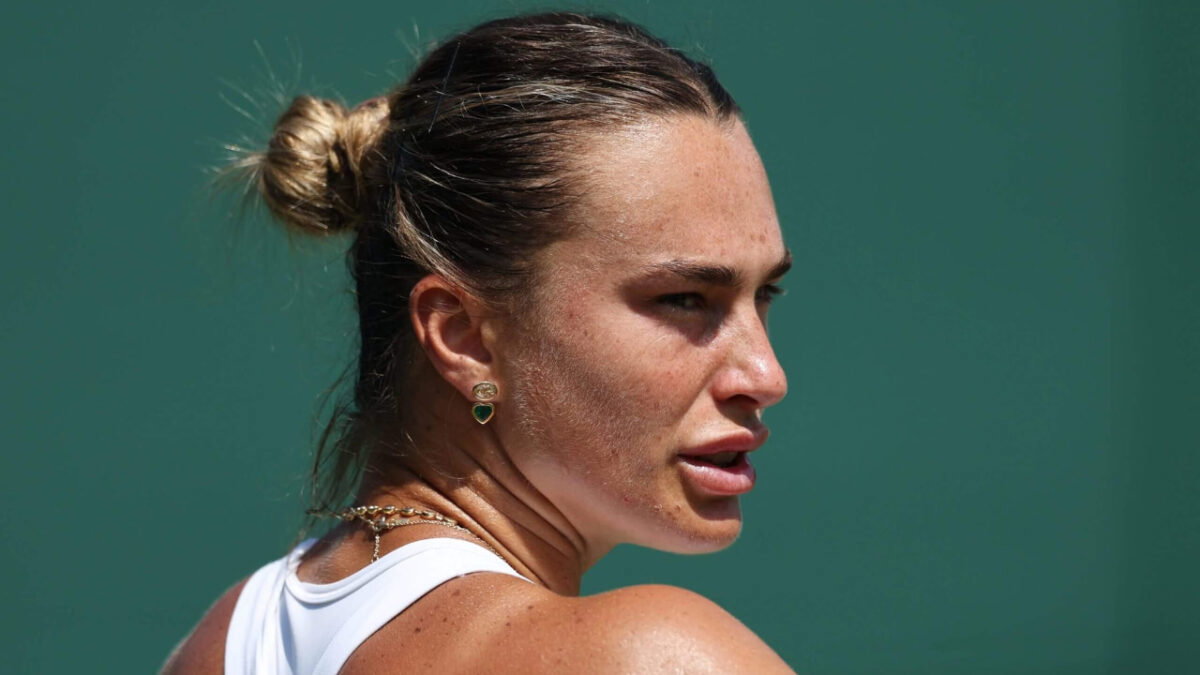
Every single match carries the weight of history, especially with her coaching team emphasizing consistency over flashy shot-making in practice. A deep run at this stage of the season is vital for maintaining her cushion at the summit of the WTA rankings against relentless pursuers.
Yet, managing these immense expectations has proven to be a complex psychological puzzle throughout a demanding 11-month calendar year. The physical toll of deep tournament runs in Melbourne and Madrid, along with various summer tune-ups, has forced her camp to prioritize recovery over extra practice hours.
Success over the next fortnight depends entirely on whether she can channel her competitive fury into constructive energy when momentum shifts. If Sabalenka harnesses the mental fortitude her coaches preach, she has the tools to fend off the chasing pack.
Navigating a dangerous Flushing Meadows draw
Aryna Sabalenka anchors the top half of the women’s singles bracket, where she will kick off her campaign against Colombian competitor Camila Osorio. That initial encounter is just the starting point of a fiercely competitive section that demands immediate focus from the top seed.
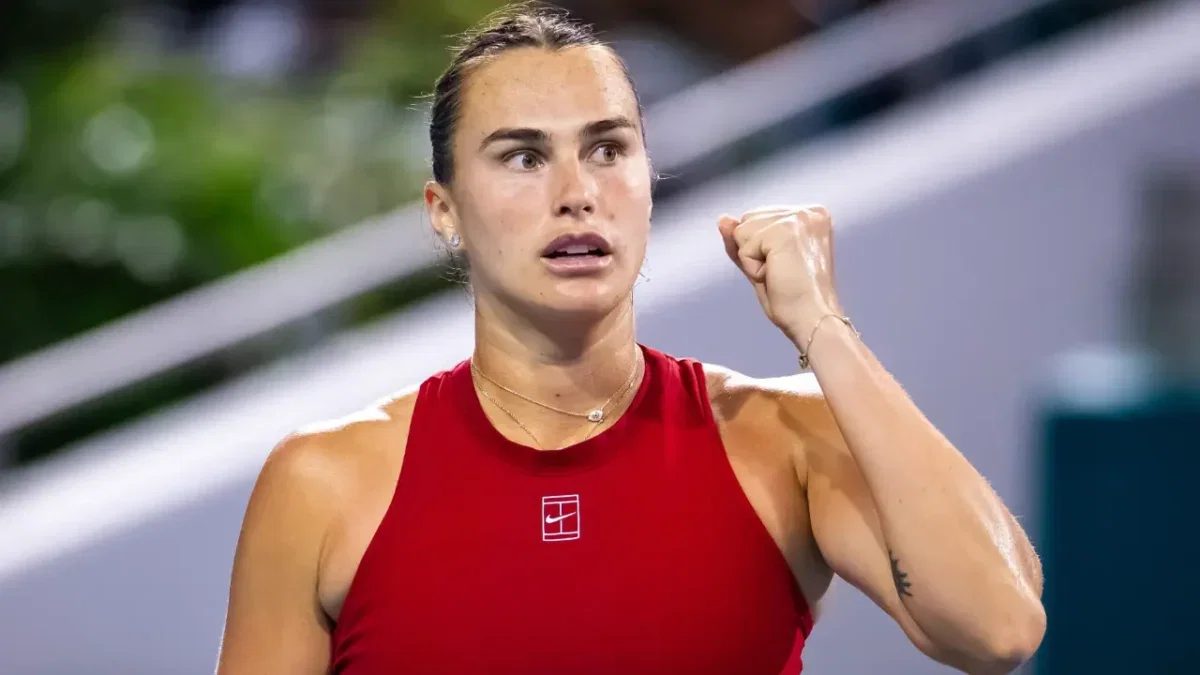
Looking further down the early rounds, a potential third-round collision looms against two-time major champion Barbora Krejcikova. Navigating past Krejcikova’s extensive tactical variation will require clean baseline striking and zero lapses in concentration.
As the bracket progresses toward the second week, the challenges multiply significantly for the defending champion. Recent Wimbledon champion Linda Noskova and high-flying third seed Jessica Pegula are positioned as her most formidable obstacles in the upper half of the draw.
Additionally, dangerous floaters like Karolina Muchova, Elina Svitolina, and Marta Kostyuk lurk nearby, fully capable of disrupting the expected hierarchy. Surviving this gauntlet means Sabalenka must find her best hard-court form immediately to keep her three-peat dreams alive.
Fahad Hamid
(1769 Articles Published)