


The T20 World Cup Fiasco Shows BCCI Needs to Choose Nation and Cricket over Greed and Short-Term Interests
 Follow Us
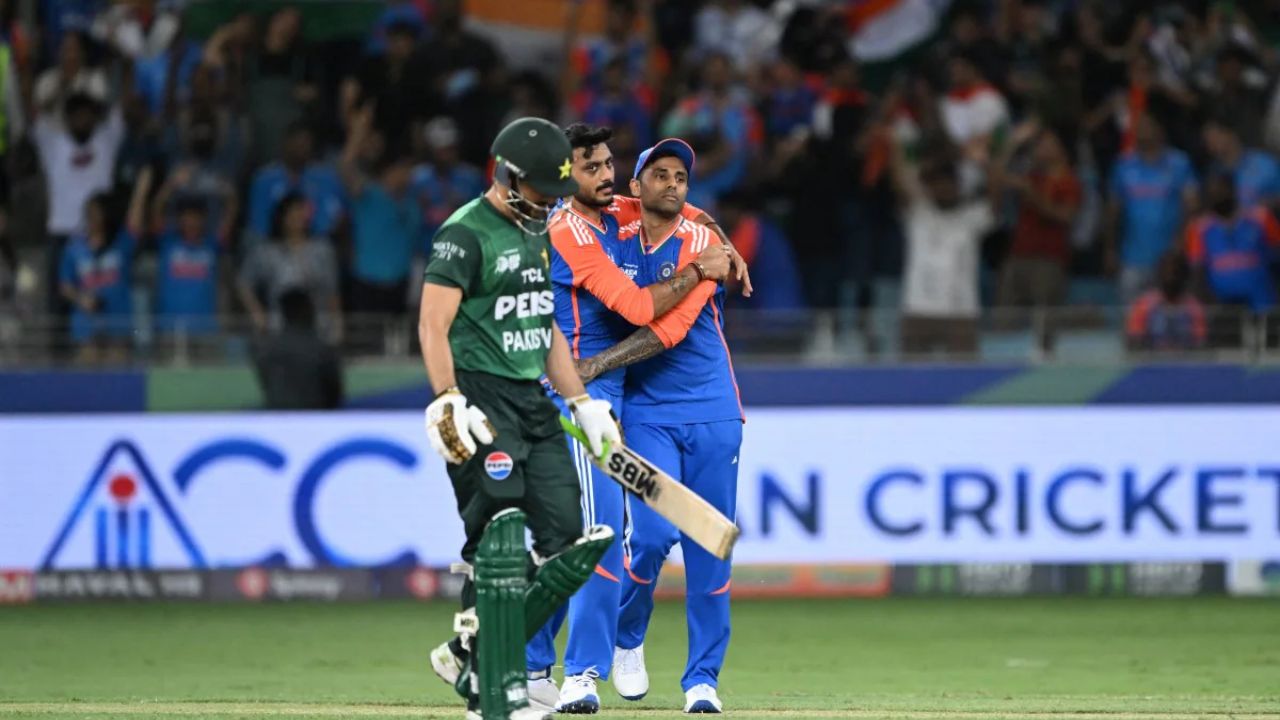
Still from the India vs. Pakistan clash at the 2025 Asia Cup (Image via AFP)
Subcontinental cricket finds itself in a flux yet again even as the ICC T20 World Cup is set to be hosted in India after 10 years.
Pakistan has reportedly boycotted their 2026 T20 World Cup game against India scheduled to be held in Colombo on 15th February, while Bangladesh’s refusal to tour India for the tournament has led to their ouster and replacement with Scotland.
This is probably for the first time that geo-political considerations have taken precedence over subcontinental cricketing unity. Even as the ICC contemplates sanctions against the Pakistan Cricket Board (PCB), there is every chance that the PCB will backtrack on its decision and the game will proceed as scheduled on the 15th.
Even if that happens, the PCB and the Bangladesh Cricket Board (BCB) can be said to have shown more spine and self-respect than the BCCI (and by extension the Indian government), from an Indian perspective.
The (not-so) ‘Greatest Rivalry‘
After the deadly Pahalgam attacks and Operation Sindoor, one expected that cricketing relations with Pakistan would be completely cut-off and the BCCI, with all its financial might, would lobby with other ICC members to sanction the PCB.
The precedent had already been set by the boycotts of Russia and Israel in international sport.
Yet despite a tragedy such as Pahalgam (the last straw in a series of Pakistan-sponsored terror attacks in India since decades) the BCCI (and the Indian government) had no problems in playing three matches against Pakistan in the 2025 Asia Cup, and also in subsequent Asian Cricket Council (ACC)-organized tournaments such as the 2025 Rising Stars Asia Cup and the 2025 Under-19 Asia Cup.
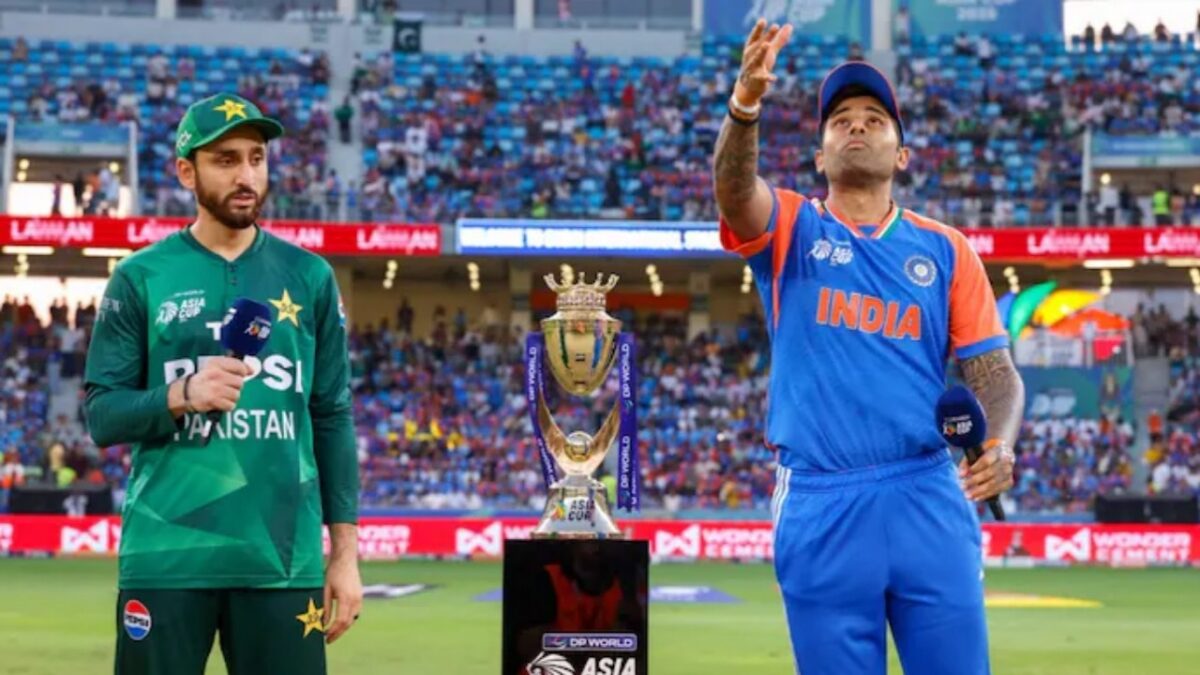
There were also no protests when India and Pakistan were mysteriously grouped together for the umpteenth time at the 2026 T20 World Cup.
When there were rumblings of a boycott in India particularly on social media before the Asia Cup, the subsequent ‘no-handshakes and no-trophy’ drama distracted attention from the fact that the BCCI had prioritized sponsors and broadcasters over national interest.
The PCB has always been affiliated with Pakistani military dictators and their stooges. Members of the Pakistan military have been PCB chairmen in the past, and the present chairman, Mohsin Naqvi, also reportedly has close ties with the current military dictator Asim Munir. That the anti-India terrorist organizations operating in Pakistan have close links with the country’s military is also not exactly a secret.
With such information publicly available, it is not a stretch to imagine that the revenue generated through India-Pakistan matches could be funneled into the military and the various terrorist organizations operating in Pakistan.
It is worth noting that the period of 2004-2014, which saw several India-Pak cricket series and matches also saw numerous deadly terror attacks in India including 26/11 Mumbai attacks. One would have thought Pahalgam would be the last straw, but once again the BCCI chose greed and profit while allowing Pakistan and Naqvi to play the victim.
For years, broadcasters and sponsors in India have tried to play-up the rivalry by playing adverts such as ‘mauka-mauka’ thus giving unnecessary importance to the PCB.
From a cricketing perspective, the Pakistan team is on a slow, irreversible decline just like their nation. They are not a major threat to full-strength SENA and Indian teams in any format of the game.
The only reason Pakistan cricket has not gone completely off the rails is because of the importance and relevance given to them through the ‘Greatest Rivalry’ branding against India in ICC Tournaments, even though there is hardly any rivalry anymore given the gulf in quality between the two teams.
If the ICC revenue were to stop, Pakistan’s decline in cricket could be precipitous and could possibly dry up one source of funding to anti-India terror organizations.
Hence, the BCCI needs to learn from its mistakes and finally take a stand. The BCCI should lobby the ICC to impose severe financial penalties on the PCB. No ICC tournament should be hosted by Pakistan. There should ideally be no cricket between India and Pakistan in any tournament in the future.
Countries such as England and Australia would have lobbied against Russia, while Pakistan and Bangladesh would be against Israel if those two nations had prominent cricket teams, even though there have been no direct conflicts between the countries in question. It is only India and BCCI who have shown unnecessary leniency and allowed Pakistan and PCB to profit for wars and terror.
This must stop.
Bangladesh: Another BCCI blunder
When no Bangladeshi cricketers were picked from the player auctions before IPL 2025, one felt the real indirect reason could be the increasing anti-India and anti-minority attacks in Bangladesh after the changed political situation in the country since July 2024.
By 2026, neither Indo-Bangladesh relations nor the situation for minorities in Bangladesh had significantly improved. Yet the BCCI allowed Bangladeshi players to participate in the 2026 IPL auctions, and one player, Mustafizur Rahman, was bought by Kolkata Knight Riders (KKR) for 9.2 crores.
But the lynching and killing of multiple Hindus in Bangladesh led to protests in India and forced the BCCI and KKR to release the Bangladeshi player.
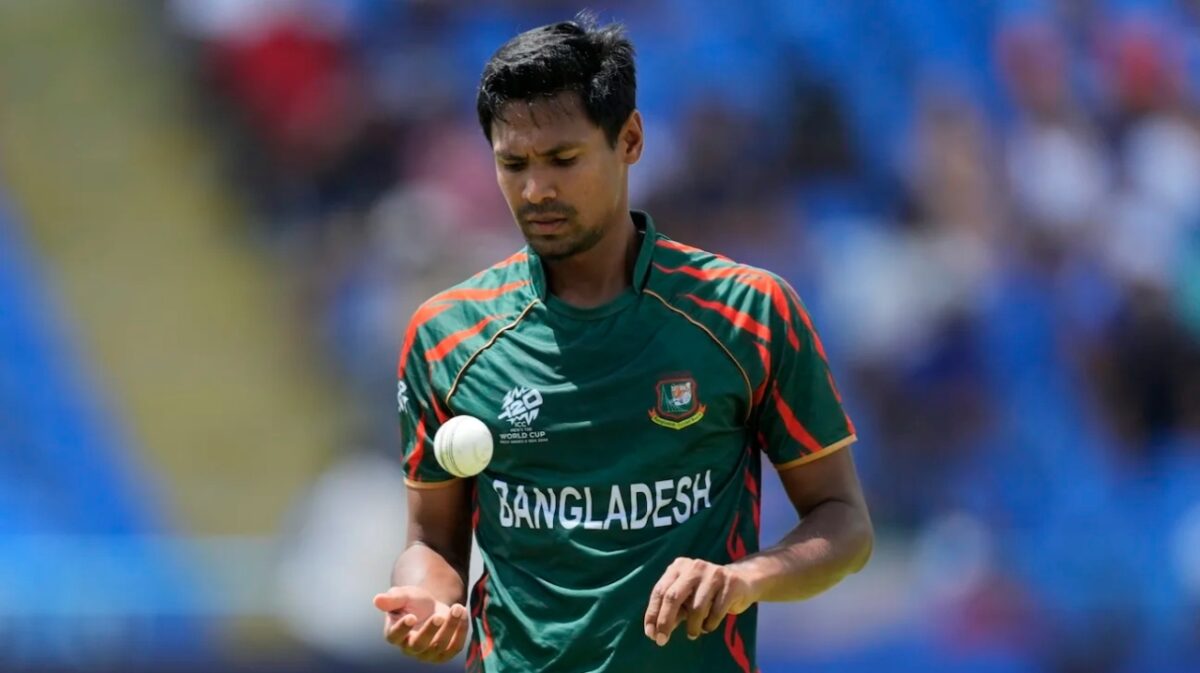
Bangladesh then decided to not play their T20 World Cup matches in India, which ultimately forced the ICC to remove them from the tournament and replace them with Scotland. Once again it can be seen that the BCB showed more spine and self-respect than the BCCI.
When it was clear in 2025 itself that relations between India and Bangladesh were on a downward spiral, why did the BCCI have to allow Bangladesh players in the auction? When no Bangladeshi player was chosen to play in the IPL 2025, what suddenly changed in 2026 that a Bangladeshi player was picked?
Unclear and confused decision-making from the BCCI again led to a fiasco where Bangladesh and Pakistan again get to play victims. While the cricket teams of both Pakistan and Bangladesh are on a decline and reflect the incompetence of their respective leadership, one expected better planning from the richest cricket board in the world.
Going Forward
The non-Indian press, especially from the subcontinent, often describes the BCCI as a ‘bully’ and a ‘hegemon’. The facts that much of the PCB revenue is due to India-Pakistan matches, and that BCCI was instrumental in getting Bangladesh to Test status gets lost in the narrative.
Now is the time for the BCCI to do in cricket against Pakistan and Bangladesh what other countries in other sports have done against Russia and Israel. The BCCI should finally choose national and cricketing interests over greed and politics.
Along with Pakistan, there should be no more bilateral series against Bangladesh. Both these countries have declining economies and declining cricket teams and will not even provide a quality cricketing contest.
Instead, the BCCI should prioritize contests against SENA teams, for these teams have been the toughest opponents for India in both Tests and ICC tournaments. India should aim to win a Test series in South Africa and to win the World Test Championships.
The BCCI could help in the revival of West Indies cricket and also take part in the development of cricket in countries such as Zimbabwe, Ireland, Scotland, Netherlands, Nepal, etc. by playing more India A/India B tours.
The IPL could be extended and players from Associate countries can be included. There are many more ways in which the BCCI can both earn revenue and promote cricket around the world while being conscious of geopolitics.
Read More:
- MS Dhoni Sees No Problem in Virat Kohli and Rohit Sharma Playing the 2027 World Cup
- Jacob Bethell Comes Clutch with the Ball, Days Before England’s World Cup Opener



/techfirstnow/media/agency_attachments/kATjCXskQdJKkXN0OuqW.png)