

Ben Shelton Reveals the Reason Behind the Planned Protest in Wimbledon: “It’s Not Just About Money”
Ben Shelton believes players need to have a say about what prize money share they get from Grand Slam organizers.
 Follow Us
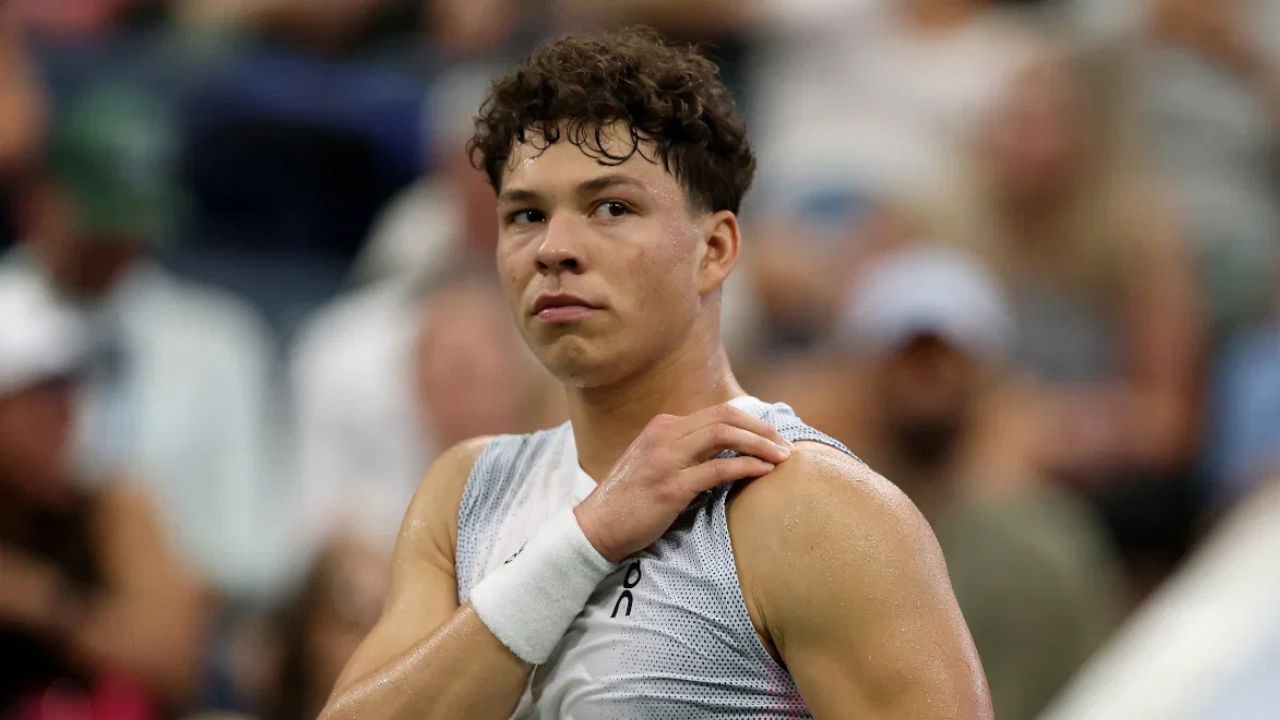
Ben Shelton (Image via Tennis Temple)
Ben Shelton has backed the planned protest by top tennis players at the Wimbledon Championships. The leading WTA and ATP players have agreed to continue their protest at the All England Club over prize money share, having begun it at the French Open last month, as they continue to push for a greater share of Grand Slam events revenue.
At the French Open, some players, including Aryna Sabalenka, Coco Gauff, and Alexander Zverev, limited their pre-tournament media interviews to just 15 minutes. But at Wimbledon, the players have decided to expand it throughout the first week of the Championships, and also limit interviews with media houses that have broadcasting rights.
They began the protest after the French Open failed to meet up with players’ representatives 16% prize money share from the tournament’s revenue pool. The Roland Garros gave the players a 14% share, which they vehemently rejected. In fact, Sabalenka threatened that players have to at one time boycott Grand Slam tournaments to prove the seriousness of the issue.
Wimbledon increased the prize money pot by 20%, a record increase in the tournament’s history. The players acknowledged the increase was a good step towards resolving the prize money issue, but also pointed out that it was only 14.4% of the revenue pool, which is below their demands.
The 15-minute limit is meant to symbolize the 15% of revenue, which has broadly been the benchmark for Grand Slam prize money allocation. Shelton took part in an exhibition match in London, and after the tie, he was asked about his take on the issue. The American star told Puntodebreak that the issue is not all about money, but more than that:
This is done from the perspective of revenue, but also from the perspective of player well-being. The US Open is basically a three-week event at the moment, 21 days, and some things concern the players. From the outside, many people see it simply as a matter of money. It’s not just a matter of money. For me, it’s more about other decisions that are made without the players’ input, about actually having a player advising, so to speak, at the Grand Slams and having that player have a say.
Wimbledon put out a firm statement on Thursday (June 25), stressing that they were disappointed with the players’ decision to continue with the protest despite a 20% increase in this year’s prize pot. It also added that they have done well to improve things at the All England Club to make players more comfortable.
Ben Shelton believes the length of the tennis calendar has become exhausting
One of the biggest yearly issues players have often talked about is the length of the tennis calendar. Currently, players have yet to really complain about the tennis schedule, but as the season goes on, more and more players will begin to voice their complaints, especially after an early loss in a tournament.
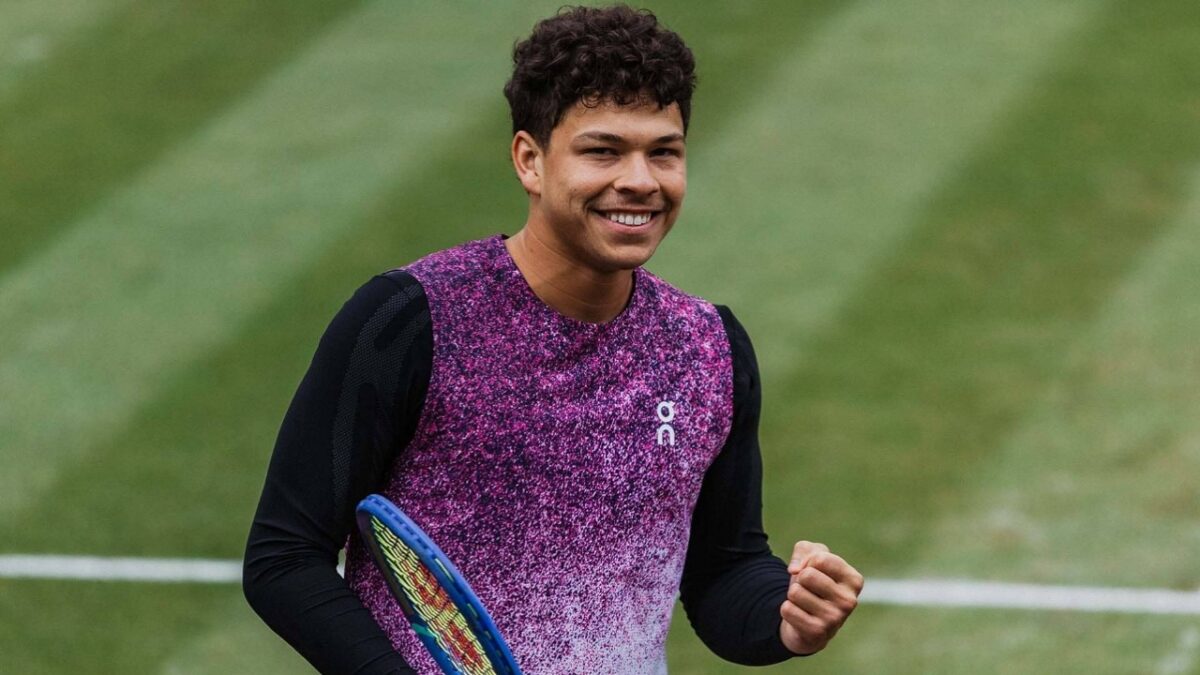
During the aforementioned interview, though Shelton opened up about the prize money issues with Grand Slam organizers, he also touched on the tennis calendar issue, which he believes is an important aspect of players’ rights. The American star pointed out that it has become disappointing to see non-Grand Slam events run for 12 days:
I fully support the players, obviously. A very important aspect is having a say in the decisions that truly affect our lives, such as how many days tournaments last, whether an extra day is added, and what the implications of that are. It’s disappointing to see. I think those 12-day events are exhausting.
Shelton is among the favorites to win the Wimbledon Championships. He won the Stuttgart Open two weeks ago and reached the quarter-finals of the Terra Wortmann Open before losing to Taylor Fritz. The American star has been one of the top players in the circuit this season, cementing his place in the top 10.
Victor Okechukwu
(2268 Articles Published)