

Coco Gauff’s Ex-Coach Demands Tennis Rule Overhaul After Novak Djokovic’s Loss at Cincinnati
Novak Djokovic lost in the opening round at Cincinnati Open.
 Follow Us
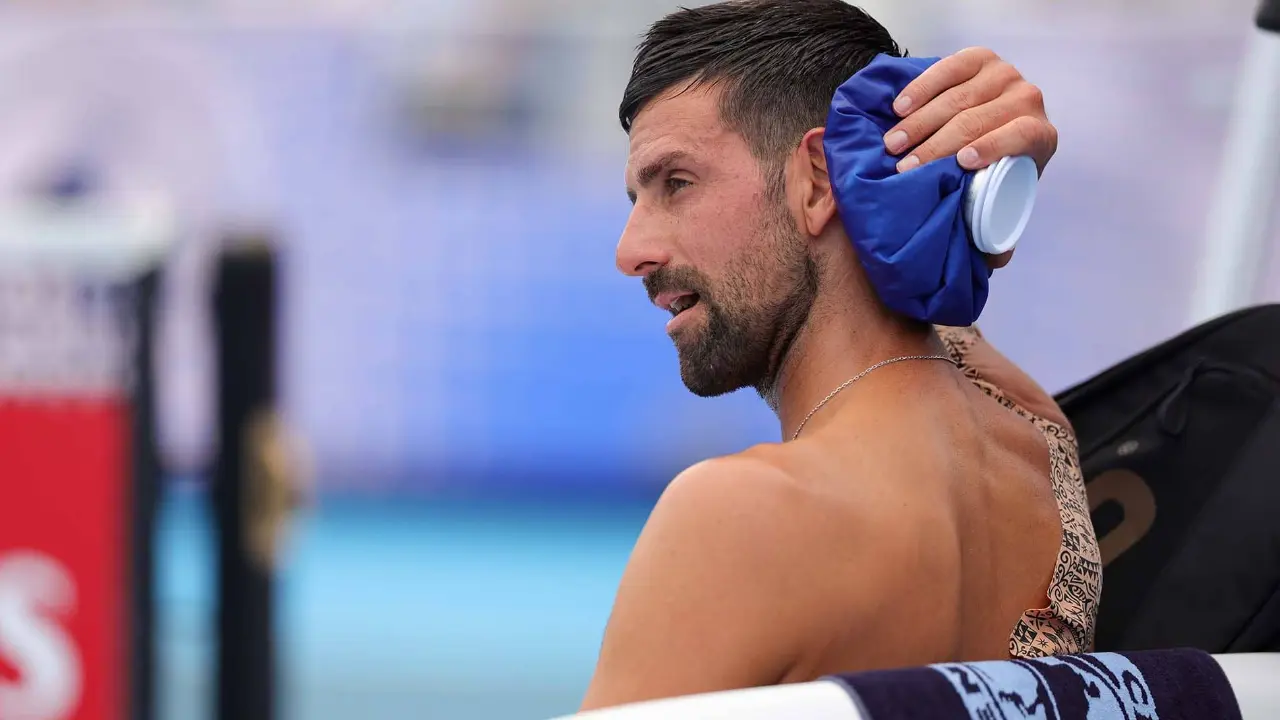
Novak Djokovic (Image via ATP Tour)
The professional tennis landscape is buzzing with debate following a surprising and physically taxing early-round exit for Novak Djokovic at the Cincinnati Open. As the Serbian superstar bowed out of the tournament against Thiago Agustin Tirante, the match sparked a fiery response from coaching legend Brad Gilbert, who is now leading a vocal charge for significant changes to how the sport handles medical timeouts and player breaks.
Gilbert did not mince words when addressing the situation. Taking to social media to voice his frustrations, the former coach of Coco Gauff explicitly called for the removal of “evaluation time” during medical timeouts, particularly for pre-existing injuries.
I wish I could change the injury time out rules and comfort breaks, 1st thing i get rid of no evaluation time especially on preexisting injury, go back to 3 min MTO that’s it and has to be on your serv or you forfeit the, bathroom breaks should be 3 mins….
I wish I could change the injury time out rules and comfort breaks , 1st thing i get rid of no evaluation time especially on preexisting injury, go back to 3 min MTO that’s it and has to be on your serv or you forfeit the, bathroom breaks should be 3 mins….
— Brad Gilbert (@bgtennisnation) August 15, 2026
This development is drawing widespread attention because it strikes at the heart of the “gamesmanship” conversation that has simmered in locker rooms for years. Djokovic’s struggle, exacerbated by the stifling heat and humidity, highlighted the fine line between legitimate medical necessity and tactical disruption.
This stance has significant implications. For years, players and fans alike have watched matches halt for shoelace adjustments, unexplained medical issues, or questionable bathroom breaks that seem to arrive exactly when momentum shifts. Gilbert’s proposal aims to strip away that tactical ambiguity.
The growing disgrace: Addressing the “gamesmanship” crisis
The debate is not entirely new, but the timing is critical. The fans have seen similar tensions flare up throughout the season, most notably when Felix Auger-Aliassime labeled the current medical timeout rules a “disgrace” following an incident at Wimbledon. The frustration is palpable among players who feel that the rules, as they stand, are being weaponized.
When an opponent can halt the action in the middle of your service game to seek treatment, it creates a mental and physical lull that is nearly impossible to quantify but clearly impacts the outcome of high-level matches. For Djokovic, this Cincinnati exit represents more than just a loss on the scoreline.
It serves as a wake-up call regarding the physical toll the sport is taking on the veteran tour. The match against Tirante, which saw Novak Djokovic needing help after a marathon 18-minute game, underscored just how brutal the conditions have become. When the body starts to break down in the sweltering heat, the thin line between needing a trainer and needing to retire is tested, and the current rulebook feels like it is failing both the players and the spectacle of the sport.
What’s next for the ATP and WTA?
The pressure is now squarely on the ATP and WTA organizers. As Gilbert’s comments gain traction, the chorus of voices calling for modernization is growing louder. It is becoming increasingly difficult for the governing bodies to ignore the perception that outdated regulations are stalling the sport.
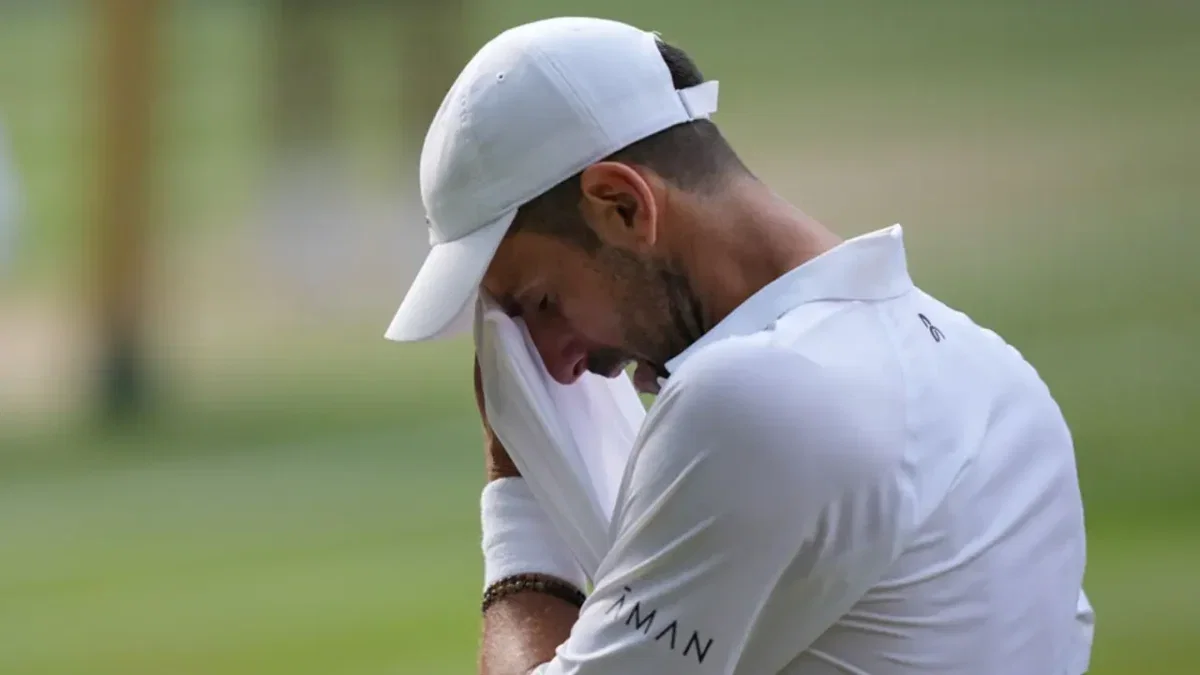
With the US Open looming on the horizon, the conversation is set to intensify. Whether the powers-that-be decide to overhaul the medical timeout structure or implement stricter penalties for tactical breaks, the dialogue has shifted.
The US Open has tested players’ physical endurance in recent years. Last year, Sinner suffered an abdominal injury during the semifinal against Felix Auger-Aliassime. Moreover, Roger Federer‘s physical condition collapsed completely after wilting under the heat during the fourth round against John Millman in 2018.
Also Read: Aryna Sabalenka Reveals ‘Really Mean’ Comments From Ukrainian Coaches Made Her ‘Cry’
Fahad Hamid
(1769 Articles Published)