


Coco Gauff Urges Grand Slams to Increase Prize Money Even Further Amid Record-Breaking Jackpot at the Australian Open
Coco Gauff is eyeing a third Grand Slam title at the Australian Open and the first in Melbourne Park.
 Follow Us
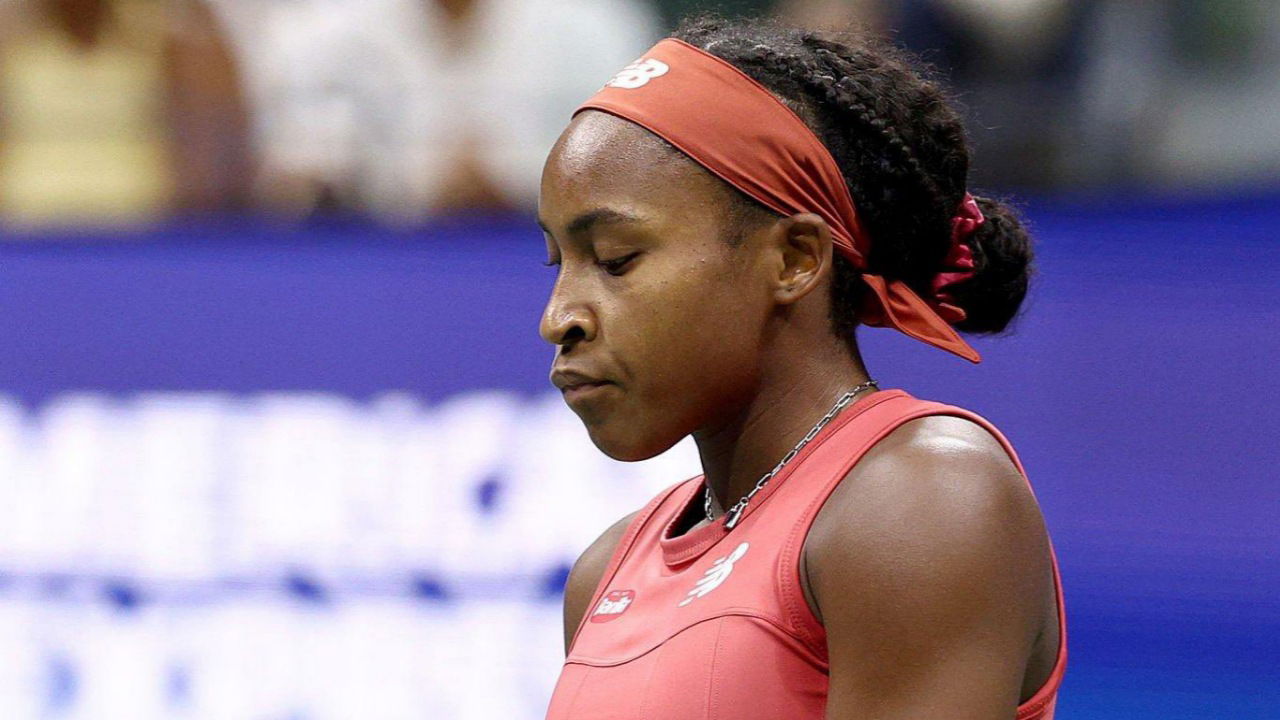
Coco Gauff (Image via X/AllAboutHQ)
On the surface, the numbers coming out of Melbourne look incredible. The Australian Open has announced a massive prize fund for 2026, totaling AU$111.5 million (roughly £56 million). That is a staggering amount of money. The singles champions are set to walk away with over £2 million each. By any standard metric, that’s a life-changing payday.
But if the viewers look a little closer, the celebration seems a bit muted. In fact, some of the biggest stars in the sport aren’t popping champagne corks just yet. Instead, they are asking a simple, uncomfortable question about fairness.
Leading the charge is American superstar Coco Gauff, who has made it clear that while a 16% raise is nice, it doesn’t quite match the reality of how much money these massive tournaments are actually raking in. Gauff said in her Australian Open press conference:
They obviously increased the prize money this year, but the percentage I think of revenue comparison is not where we would like it. I think there are still further conversations that have to be had. Not just with Australian Open, but with all the Slams. The collective feeling is that, yes, there’s been progress, but I still think it’s not where we’d like to see it. But we are grateful for the progress that’s been made.
Gauff has become more than just a phenomenal athlete; she is becoming a voice for the locker room. Her stance is nuanced. She isn’t saying the money is “bad.” She is acknowledging progress while noting that the business model is still skewed.
The specific number being thrown around in negotiations is 20%. Players have long pushed for a benchmark that requires them to receive at least 20% of the tournament’s total revenue. It seems like a reasonable request, given that they are the primary attraction.
Yet, despite the historic “16% increase” in the prize fund, the actual share of total revenue often lags behind that target because the tournament’s income is skyrocketing even faster than the prize money.
The Record-Breaking numbers behind the controversy
Let’s give credit where it’s due: the tournament organizers aren’t being stingy in a vacuum. This 16% increase is the largest in the tournament’s history. It is a clear signal that the Australian Open wants to be seen as a leader in player compensation.
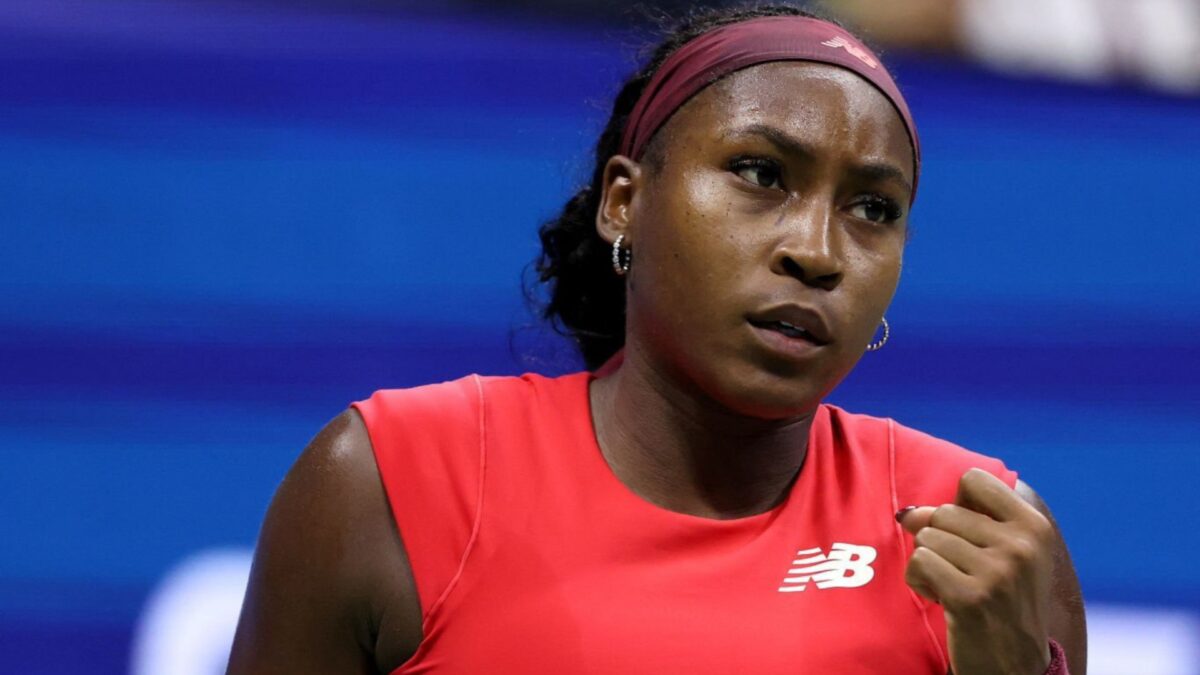
However, the players argue that you cannot look at prize money in isolation. You have to look at it compared to the overall revenue. Grand Slam tournaments are money-printing machines. Between global broadcasting rights, massive sponsorship deals, and ticket sales that sell out instantly, these events generate hundreds of millions of dollars annually.
The locker-room argument is that the players are the product. People tune in to watch Coco Gauff hit a backhand or Madison Keys serve an ace; they aren’t buying tickets to admire the net posts. Consequently, the players believe their slice of the pie should grow at the same rate as the pie itself. Right now, they feel the gap is widening, not shrinking.
Beyond the paycheck: Welfare and scheduling
It is not just about the numbers on the check, either. Madison Keys, the reigning Australian Open champion, has backed Gauff, noting that this conversation is part of a broader issue regarding how players are treated.
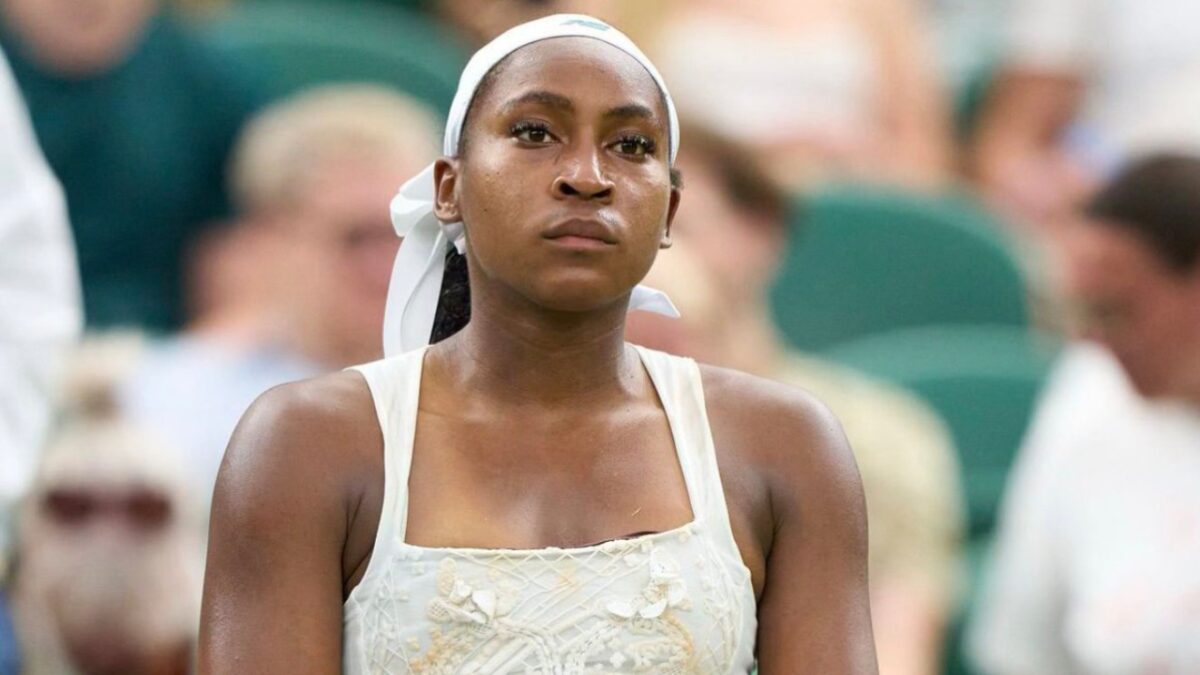
When players ask for a bigger share of the revenue, they are often also asking for better resources. They want a say in scheduling so they don’t have to play matches at 3:00 AM. They want better mental health support and physical welfare benefits. The “revenue share” debate is really a proxy war for players wanting a seat at the table where the big decisions are made.
The spring 2025 meetings at Roland Garros were supposed to be the start of this shift, but for many, the pace of change is agonizingly slow. The immediate impact is that the 2026 Australian Open will be the richest in history. No one is going to turn down the check. But the underlying tension isn’t going away.
Fans can expect 2026 to be a year of intense negotiations. With players like Gauff and Keys willing to speak out, the pressure is mounting on the other three Grand Slams (Roland Garros, Wimbledon, and the US Open) to follow suit—or do better.
Also Read: (Video) Carlos Alcaraz Swaps Racket for Top Hat to Be Bellboy at Luxurious Hotel in Melbourne



/techfirstnow/media/agency_attachments/kATjCXskQdJKkXN0OuqW.png)