

Common Signs of Nutritional Deficiency
 Follow Us

Common Signs of Nutritional Deficiency

Everyone knows that we need vitamins and minerals to keep our bodies healthy, however, what are the signs of nutritional deficiency.
Signs of nutritional deficiency can be detected in several ways, none of which is entirely unambiguous. Evidence of several types is, therefore, required.
Diet lacking in nutrients may cause a variety of unpleasant symptoms. These symptoms are your body’s way of communicating potential vitamin and mineral deficiencies.
Recognizing them can help you adjust your diet accordingly.
Natural diets are rarely deficient in only a single nutrient, and individual requirements vary considerably.
Biochemical and functional status indices can help bridge the gap between inadequate diet and resulting pathology.
Bleeding Gums
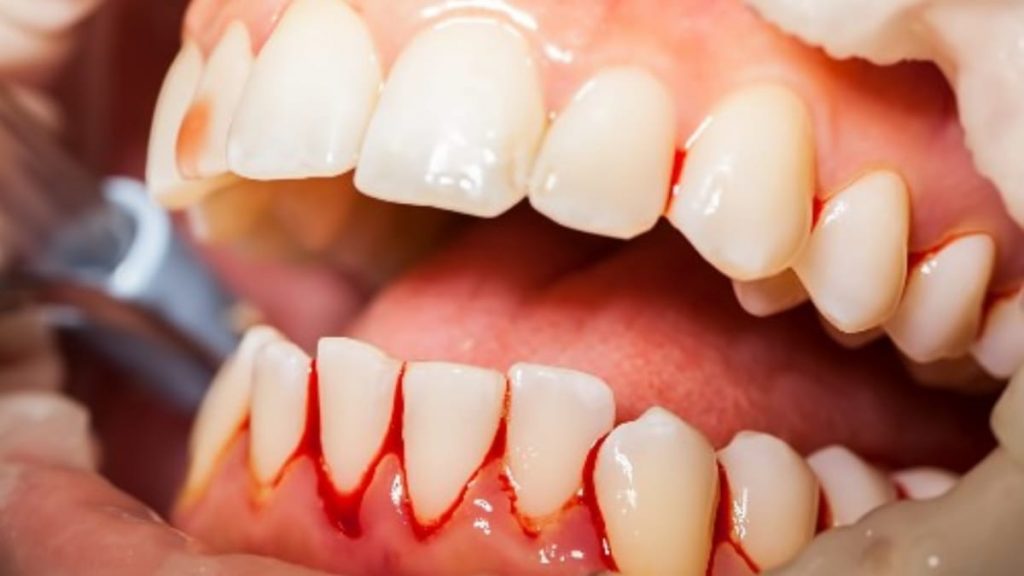
Sometimes a rough tooth brushing technique is at the root of bleeding gums, but a diet lacking in vitamin C can also be to blame.
Vitamin C plays an important role in wound healing and immunity, and it even acts as an antioxidant, helping prevent cell damage.
Your body does not make vitamin C on its own, so the only way to maintain adequate levels of it is through diet.
Vitamin C deficiencies are rare in individuals who consume enough fresh fruits and vegetables. That said, many people fail to eat enough fruits and vegetables each day.
Consuming very little vitamin C through the diet for long periods can bring on symptoms of deficiency, including bleeding gums and even tooth loss.
Another serious consequence of severe vitamin C deficiency is scurvy, which depresses the immune system, weakens muscles and bones, and makes people feel fatigued and lethargic.
Make sure to consume enough vitamin C by eating at least 2 pieces of fruit and 3–4 portions of vegetables each day.
Burning Sensation in the Feet or Tongue

If you’re experiencing this, it should definitely sound an alarm, talk to your doctor, who will likely order a blood test to check your B12 levels.
You almost might have issues with balance, constipation and dry skin.
B12 plays an essential role in your health by producing hemoglobin, part of your red blood cells that helps the cells in your body receive life-giving oxygen.
The vitamin is needed for a variety of systems, like your digestive tract, to work properly.
In addition, B12 deficiency can create mild cognitive impairment, so if you’re experiencing any changes in memory, thinking or behavior, see your doctor.
Over time, B12 deficiency can permanently damage your nervous system, traveling up the spine and into the brain.
Poor Night Vision

A nutrient-poor diet can sometimes cause vision problems.
For instance, low intakes of vitamin A are often linked to a condition known as night blindness, which reduces people’s ability to see in low light or darkness.
That’s because vitamin A is necessary to produce rhodopsin, a pigment found in the retinas of the eyes that helps you see at night.
When left untreated, night blindness can progress to xerophthalmia, a condition that can damage the cornea and ultimately lead to blindness.
Another early symptom of xerophthalmia is Bitot’s spots, which are slightly elevated, foamy, white growths that occur on the conjunctiva or white part of the eyes.
Symptoms of vitamin A toxicity can be serious and include nausea, headaches, skin irritation, joint and bone pain, and, in severe cases, even coma or death.
Also Read: Best Healthy Root Vegetables
Kanishka Bothra
(41 Articles Published)