


Dubai Championships Tournament Director Fumes as Aryna Sabalenka and Iga Swiatek Announce Withdrawls
Aryna Sabalenka and Iga Swiatek haven't played since the Australian Open.
 Follow Us
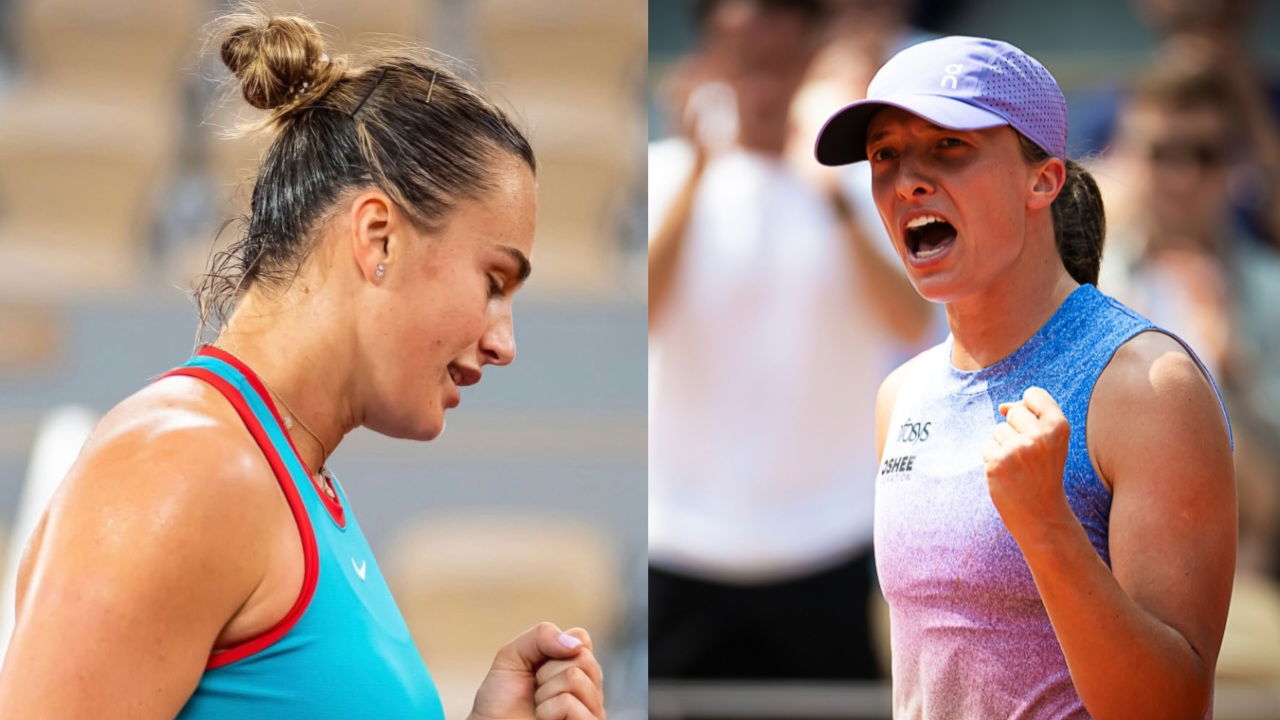
Aryna Sabalenka, Iga Swiatek (Image via X/News Aryna Sabalenka, Jimmie48 Photography)
- Aryna Sabalenka and Iga Swiatek have withdrawn from the Dubai Tennis Championships, citing mental readiness and minor injuries.
- Tournament director Salah Tahlak is calling for tougher sanctions against players who skip mandatory events without legitimate reasons.
- The withdrawals raise concerns about the current tennis calendar and its impact on player participation in prestigious tournaments.
The courts in Dubai were supposed to host a clash of titans this week. Instead, the narrative has shifted from forehands and backhands to scheduling conflicts and doctors’ notes. In a move that has sent shockwaves through the WTA Tour, the world’s top two players—Aryna Sabalenka and Iga Swiatek—have pulled the plug on their appearances at the Dubai Tennis Championships.
This isn’t just a couple of scratches on a draw sheet; it’s a massive blow to one of the premier stops on the calendar. And frankly, tournament director Salah Tahlak isn’t taking it quietly. Tahlak said on The National News:
It was an unfortunate surprise last night to get news of the withdrawal of Aryna and Iga. And the reasons for withdrawal were a bit strange. Iga said she wasn’t mentally ready to compete, while Sabalenka said she has some minor injuries. So I don’t know. I think there should be a harsher punishment on the players [for withdrawing], not just fines, they should be docked ranking points. I even asked the [tournament] doctor, what is the injury? He said it’s a minor injury, not one that would force her to withdraw from the tournament. And for Iga, I asked, ‘Isn’t this a strange decision?’
While players often cite fatigue or minor injuries as valid reasons to skip events, the timing here feels different. It feels like a choice, and that’s where the friction lies.
Tahlak has been vocal about his frustration, and he’s not mincing words. The tournament director is publicly calling for tougher sanctions against elite players who skip major mandatory tournaments without legitimate, verified injuries.
His argument is simple: these tournaments invest millions in prize money and infrastructure based on the promise of top-tier talent. When that talent evaporates days before the first serve, the product suffers. Tahlak suggested that the current system is too lenient. He’s floating the idea of docking ranking points—a penalty that hits players where it actually hurts—rather than just slapping them with manageable fines.
The player fatigue debate
To be fair to Aryna Sabalenka and Iga Swiatek, the modern tennis calendar is a grinder. It is a relentless, globetrotting circuit that demands peak physical performance for 11 months of the year.
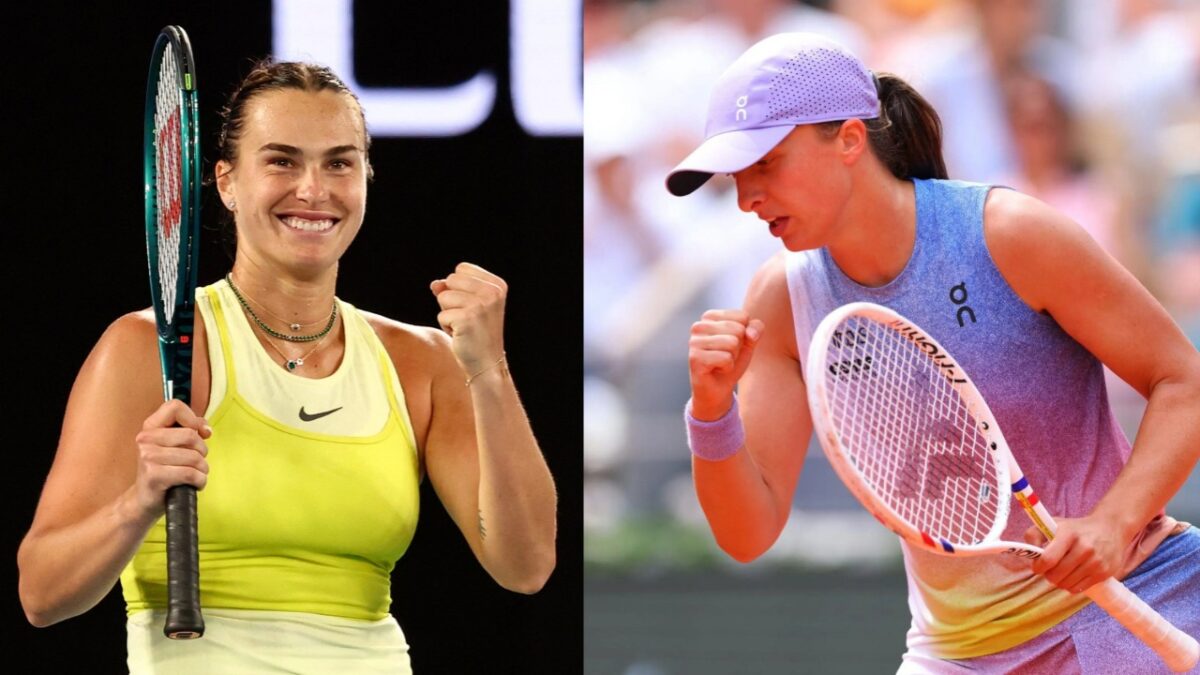
Swiatek’s “change of schedule” might sound dismissive on paper, but in the context of her grueling run over the last two years, it looks more like self-preservation. Similarly, Sabalenka hasn’t played a competitive match since Melbourne. If she’s saying she isn’t 100 percent, history suggests we should believe her.
However, the question remains: is the system broken? If the top two players in the world can’t make it to a prestigious WTA 1000 event in February—historically a prime time for the tour—then something isn’t clicking.
What now for the Dubai draw?
The show, as they say, must go on. The courts in Dubai won’t stay empty, but the spotlight will have to shift. With the top two seeds out, the door swings wide open for the rest of the field. All eyes will likely turn to Elena Rybakina.
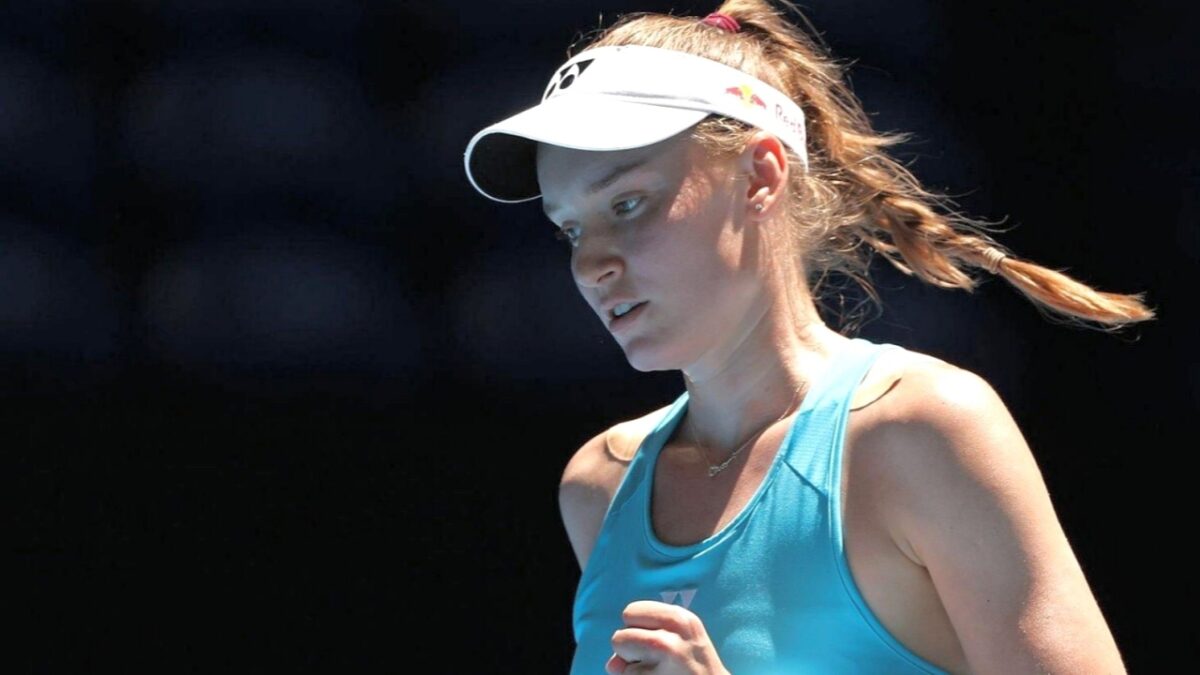
The Australian Open champion is in blistering form and suddenly finds herself as the main attraction. Maria Sakkari, who took out Swiatek in Doha, also has a massive opportunity to capitalize on a slightly less crowded path to the trophy.
But the shadow of the withdrawals looms large. Every empty seat in the stands will be a reminder of who isn’t there. This week in Dubai might be a tipping point. Tahlak’s comments are likely to echo all the way to WTA headquarters in Florida.
If organizers feel they aren’t getting what they paid for, and players feel they are being run into the ground, a compromise has to be reached. Whether that looks like a shortened season, fewer mandatory events, or the harsh sanctions Tahlak is proposing, change feels inevitable.



/techfirstnow/media/agency_attachments/kATjCXskQdJKkXN0OuqW.png)