

Elena Rybakina Shows Total Disagreement With Chair Umpire Over Qinwen Zheng’s Service Call in Madrid
Elena Rybakina is battling with Aryna Sabalenka in the Year-End World No.1 spot.
 Follow Us
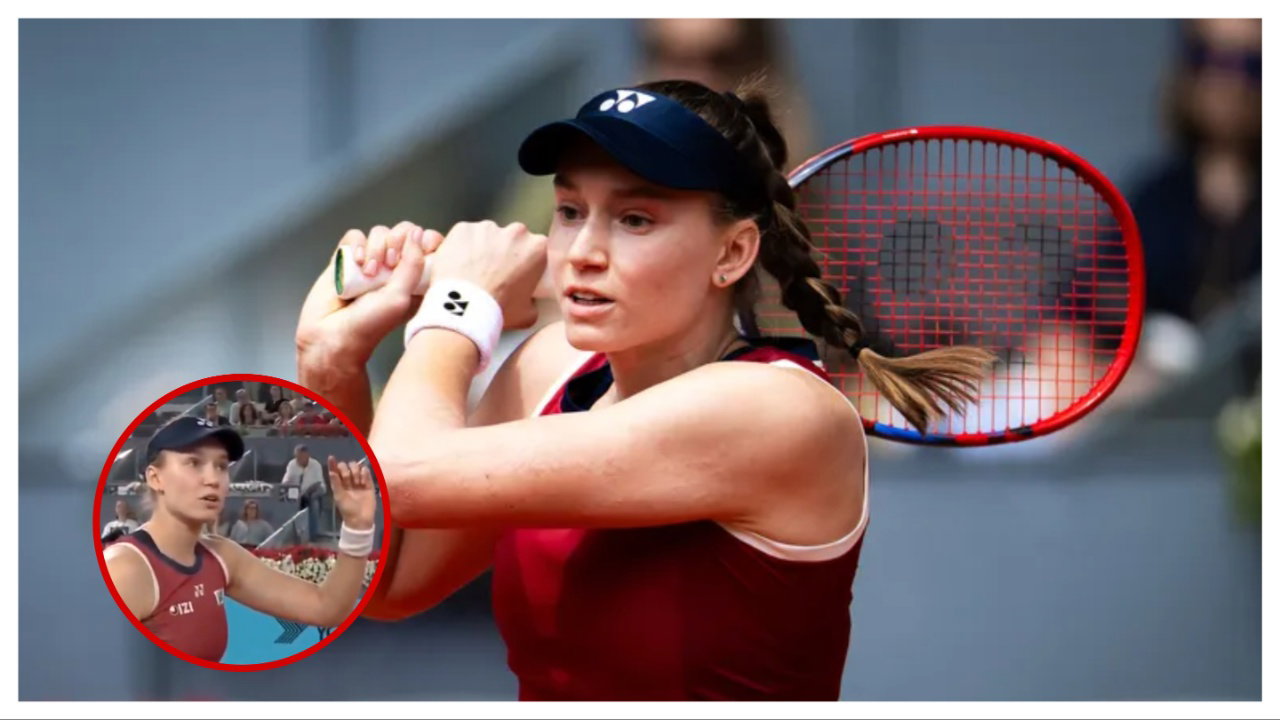
Elena Rybakina had a disagreement with the chair umpire (Via WTA Tennis)
- Elena Rybakina clashed with the chair umpire over a disputed electronic line call during her match against Qinwen Zheng at the Madrid Open.
- Rybakina pointed to a visible mark on the clay, arguing that the ball had landed out, highlighting the tension between technology and traditional evidence in clay-court tennis.
- The incident sparked broader discussions about the limitations of electronic line calling on clay, where visible marks can contradict automated decisions.
Elena Rybakina found herself at the center of one of the Madrid Open’s most talked-about moments on Sunday. A disputed electronic line call during her match against Qinwen Zheng sparked a rare and heated exchange with the chair umpire.
The incident came during Zheng’s service game in the second set and quickly became the moment everybody was talking about.
Elena Rybakina in a disagreement with the umpire in her match against Qinwen Zheng in Madrid.
— The Tennis Letter (@TheTennisLetter) April 26, 2026
Qinwen hit a serve that was called in by electronic line calling.
Elena shows the umpire the mark, which is out.
Elena: “Are you kidding me? This is not a joke. The system is wrong.… pic.twitter.com/kIOfxGB19s
The controversy mattered because it hit a nerve that had been building across clay-court tennis. Rybakina is not known for theater or sideline monologues. She is usually one of the tour’s calmest presences, which made the reaction stand out even more.
The flashpoint came at 4-3 in the second set with Zheng serving. A serve was ruled in by the tournament’s electronic line-calling system, but Rybakina immediately moved toward the chair and pointed to a mark on the clay that appeared to show the ball had landed out.
Madrid’s talking point
Up until that moment, the match had followed a fairly straightforward script. Qinwen Zheng had taken the opening set 6-4 by serving well and keeping Elena Rybakina from fully settling into her baseline patterns.
The second set stayed tight early, with both players holding serve and neither side giving away much. Then came the disputed call, and suddenly a regular service game turned into must-see tennis drama.
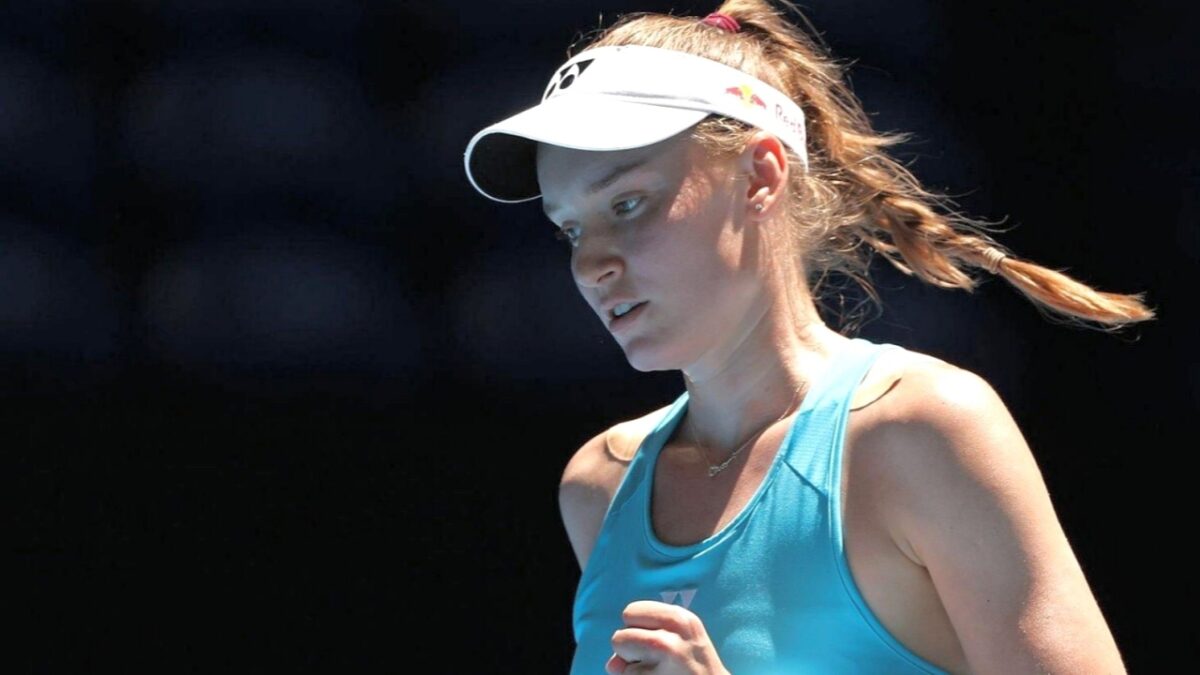
Rybakina’s frustration was visible right away. The exchange was shared by The Tennis Letter on X, where Rybakina could be heard saying, “Are you kidding me? This is not a joke. The system is wrong.” That line traveled quickly, and honestly, it did not need much help.
What made the moment so striking was not just the disagreement itself, but who it came from. Rybakina is not typically one of the tour’s most animated players.
The clay-court technology debate
The larger issue here is not new, but clay gives it extra bite. The Madrid Open uses full electronic line calling, which means there are no traditional line judges making calls that can later be inspected or overruled in the old-school way.

On hard courts, that setup feels more natural because there are no marks to inspect. On clay, though, the surface leaves behind literal evidence, or at least what looks like evidence to the naked eye. That is where the tension lives.
The coexistence of visible ball marks and automated decisions creates friction when the two do not align. The margin for error becomes more noticeable on clay because players and fans can physically see the mark left behind.
In Elena Rybakina’s case, that visual contradiction was the whole story. She was not arguing based on instinct or wishful thinking after a long rally.
The problem is that under current tournament protocols, the electronic decision is final. There is no second layer of review for a player to request, even on clay, even with a visible mark, even when television cameras catch the whole sequence. So the umpire, fairly helpless in that moment, became the middleman for a system that does not really allow for debate.
Fahad Hamid
(1769 Articles Published)