


Elina Svitolina Credits Mental Health Break for Resurgence at the Australian Open
Elina Svitolina lost only 3 games against Coco Gauff in the Australian Open quarterfinal.
 Follow Us
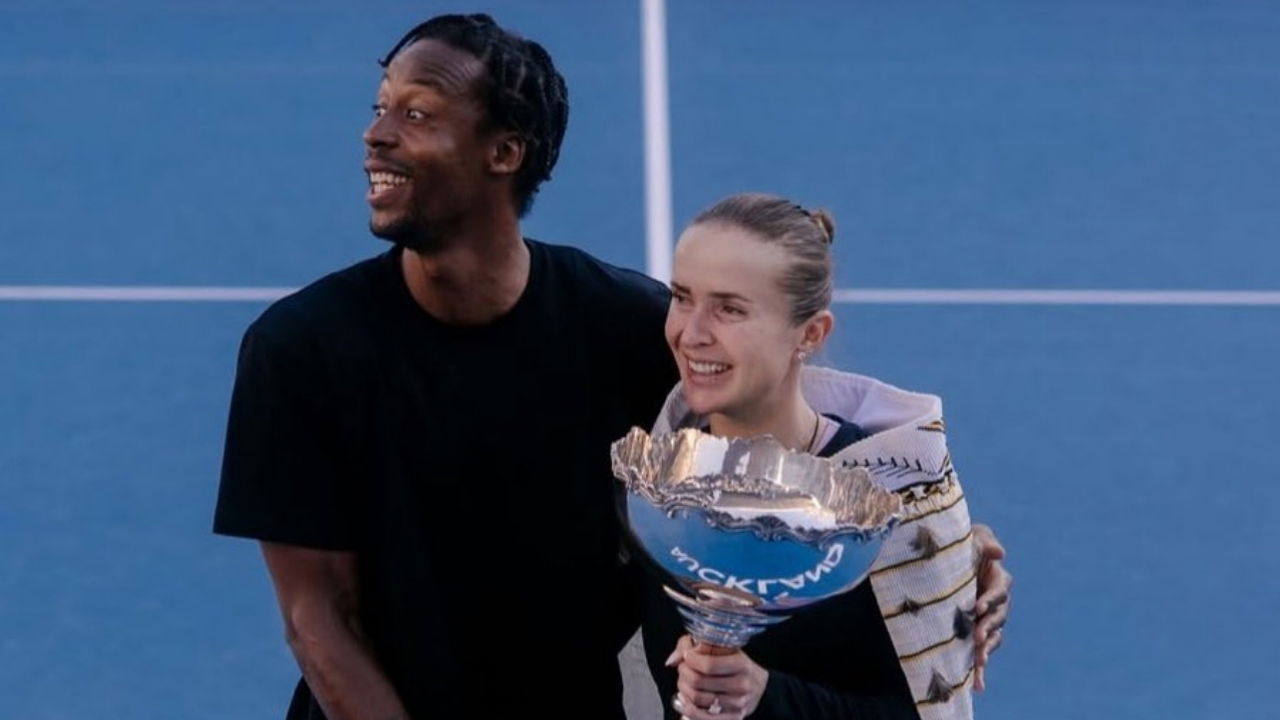
Gael Monfils and Elina Svitolina (via X/The Tennis Letter)
🔍 Explore this post with:
If the fans blinked, they might have missed it. That’s how fast Elina Svitolina dismantled the narrative—and her opponent—at Rod Laver Arena. Going into the quarterfinals of the 2026 Australian Open, the script seemed written for Coco Gauff.
The 21-year-old American powerhouse, a two-time Grand Slam champion, was supposed to be the unstoppable force. But on a sweltering day in Melbourne, she ran into an immovable object: a focused, refreshed, and dangerous Svitolina.
At 31 years old, she isn’t the fresh-faced newcomer anymore. She’s a mother. She’s a wife (shoutout to Gaël Monfils cheering courtside). And she’s someone who wasn’t afraid to step away when things got too heavy. Svitolina said in her Australian Open press conference:
It was a difficult decision on one hand. But then I spoke with my team. I spoke with Gael. I spoke with my family and we found also a bunch of positives for it. I think I mentioned already earlier a couple days back that if I didn’t stop.. if I kept pushing last year.. I wouldn’t start here. I would be exhausted. I’m not even sure if I would be injury-free. When you play at the highest level and you push yourself and you are on the edge, this is where the injuries happen. This is where the tension is just too much and your body gives up. For me it was important to just step back. I’m very happy I did that.
Back in 2023, she had a solid run, hitting the semis at Wimbledon. But by September, she hit the brakes. She paused her season to focus on her mental health. In a world where athletes are often told to “push through” and “grind,” Svitolina chose to stop and reset.
And look at the payoff. She said herself that the break helped her prepare for 2026. This victory isn’t just about forehands and backhands; it’s validation that taking care of one’s mind is actually the ultimate performance enhancer.
The Aryna Sabalenka showdown
So, what happens next? The celebration can’t last too long because a massive obstacle is waiting in the wings: Aryna Sabalenka.
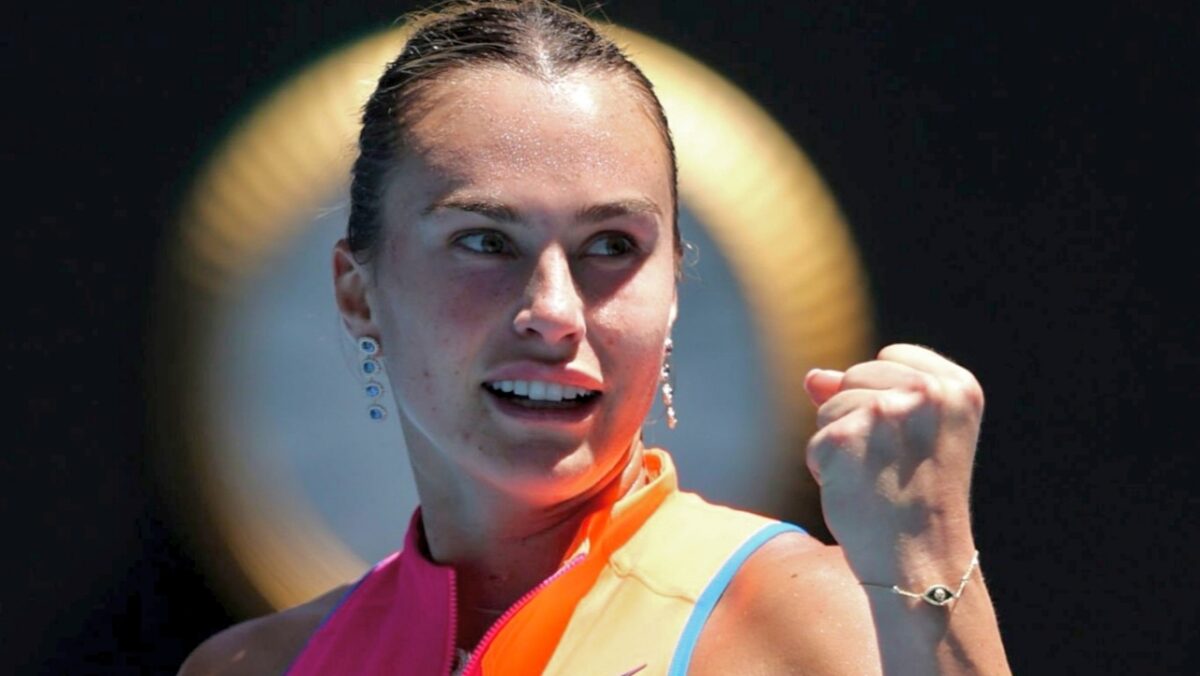
Facing the World No. 1 in the semifinals is going to be a completely different beast than the match against Coco Gauff. Sabalenka hits hard, plays aggressively, and won’t give Svitolina the free points that Gauff did.
But if this quarterfinal showed the fans anything, it’s that Svitolina isn’t just happy to be here. She’s playing with the freedom of someone who knows who she is and what she’s capable of. She’s chasing her first Australian Open final, and frankly, after watching her dismantle the World No. 3 in under an hour, Sabalenka must be brave to bet against her.
Melbourne is witnessing a special run. Whether it ends in the semis or with a trophy, Svitolina has already proven that her second act might just be better than her first.
A masterclass in efficiency
In the Australian Open quarterfinal, matches at this level aren’t supposed to be this lopsided. But from the very first ball, Elina Svitolina looked like she was playing a different game entirely.
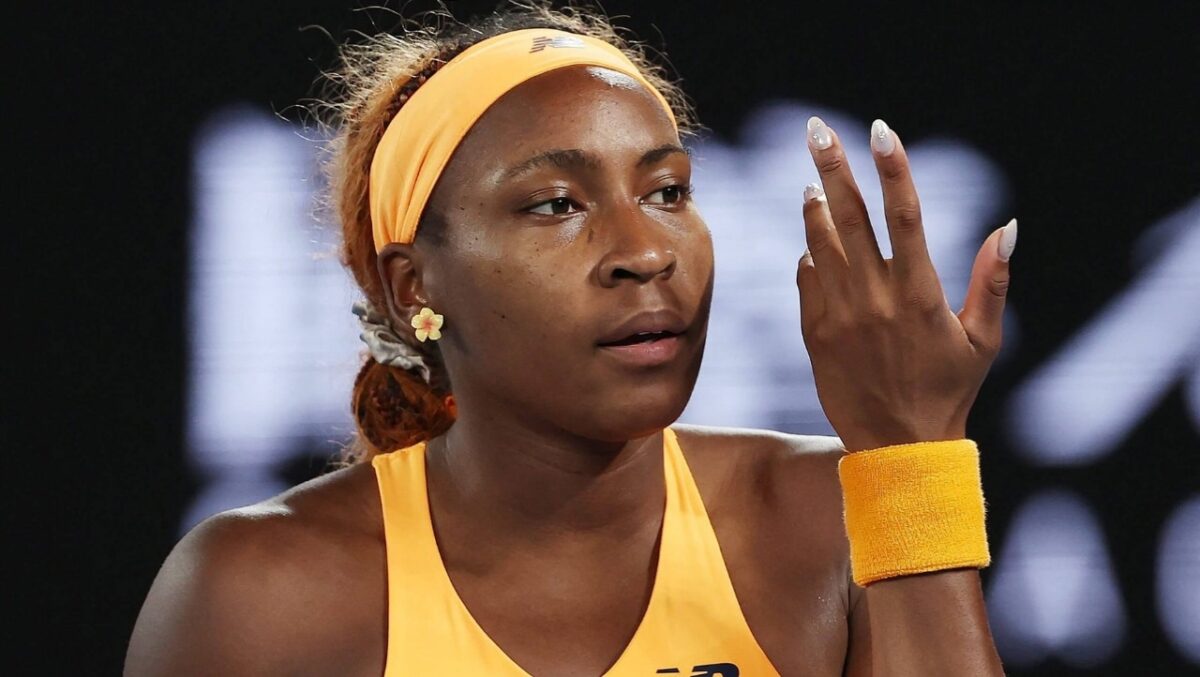
While Coco Gauff looked visibly rattled, struggling with her serve and racking up five double faults, Svitolina was the picture of calm. She didn’t just play well; she played smart. She converted six out of seven break points.
Gauff, usually so composed for her age, unraveled. There was a moment in the first set when she sent racquets off to be restrung because the tension felt off. It was a clear sign of panic.
She ended up with 26 unforced errors. A player just can’t win a major quarterfinal playing like that, especially not against a veteran who smells blood in the water.



/techfirstnow/media/agency_attachments/kATjCXskQdJKkXN0OuqW.png)