


The Forgotten Greats: The Most Underrated Players in NBA History
Here are some of the most underrated stars in the history of NBA, featuring Pau Gasol, Chauncey Billups and others.
 Follow Us
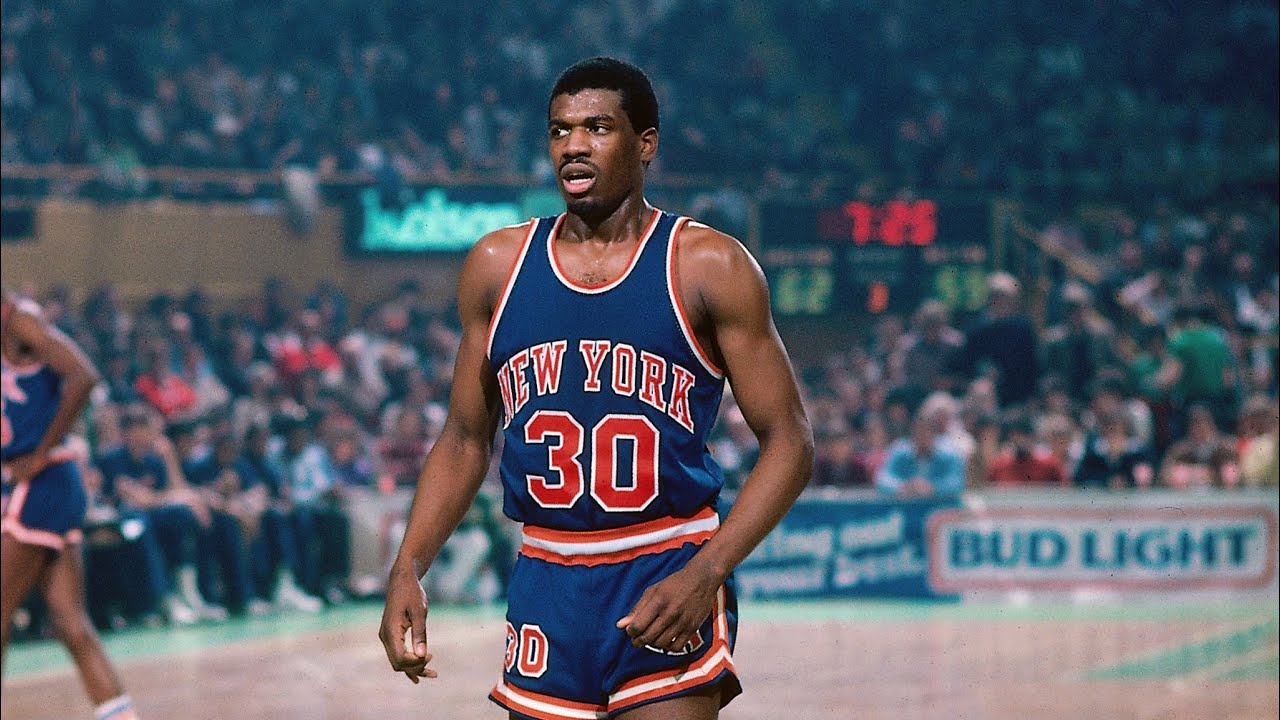
Bernard King (Via YouTube/Dukeman)
- Alex English was the leading scorer of the 1980s but remains underrated due to his quiet style and lack of media presence.
- Sidney Moncrief was a two-way pioneer, winning the Defensive Player of the Year award twice but is often overlooked in historical discussions.
- Hal Greer, a Hall of Famer with over 21,500 points, is rarely mentioned despite his significant contributions and championship success.
When discussing the greatest players in NBA history, the conversation almost always circles back to the same names: Michael Jordan, LeBron James, Kareem Abdul-Jabbar, Magic Johnson, Larry Bird, Kobe Bryant, Tim Duncan.
It’s inevitable. The problem is that this habit overshadows a vast group of players who truly made a significant impact on the league, often in profound ways, but rarely get mentioned in “all-time” debates.
Some paid the price for playing in smaller markets, others for having a less flashy style, and still others for competing in eras dominated by louder legends. Yet the numbers, accolades, and on-court impact tell a different story.
Even today, as the NBA season enters its decisive phase and attention shifts to predictions and constantly updated odds—analyzed on a sports betting site—it becomes clear how much perception is shaped by the present: those in the spotlight now are celebrated, while those who built greatness over time risk being forgotten.
Alex English, the silent scoring machine of the 1980s
If you ask who was the most prolific scorer of the 1980s, many people instinctively answer Magic Johnson, Larry Bird, or even Michael Jordan, who truly dominated in the latter half of the decade. In reality, the player who scored the most points during that era was Alex English.
And yet, English is almost never included in popular rankings of the greatest scorers of all time. The reason is simple: he lacked a strong media persona, didn’t play for a historically dominant franchise like the Lakers or Celtics, and had a smooth, elegant style that wasn’t built on spectacle.
But that very “quiet greatness” makes him a textbook case of being underrated. He was a forward capable of scoring in every possible way, with efficiency, consistency, and intelligence, without relying heavily on isolation plays. His legacy as the all-time leading scorer for the Denver Nuggets is a testament to sustained excellence, not just a fleeting peak.
Sidney Moncrief, the two-way pioneer before it was trendy
Today, the NBA culture strongly values two-way players—those who excel on both ends of the floor. In the 1980s, however, a player like Sidney Moncrief didn’t receive the same level of recognition he would get today.
Moncrief was the first player in NBA history to win the Defensive Player of the Year award, claiming it in both 1983 and 1984. But he wasn’t just a defensive specialist—he was a complete guard: physically dominant, offensively productive, and a relentless competitor.
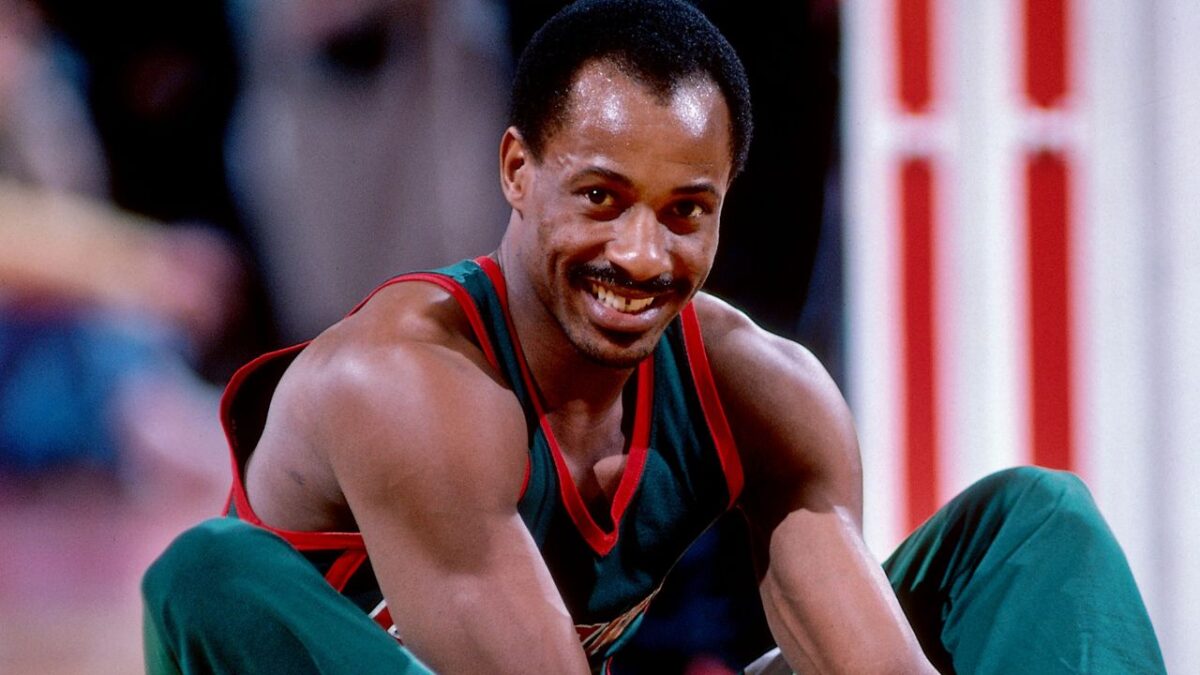
The fact that he never reached the NBA Finals has likely hurt his historical reputation, but it shouldn’t diminish his individual greatness. The Milwaukee Bucks teams he led were consistently among the best in a brutally competitive Eastern Conference. In today’s game, where versatility is celebrated, Moncrief would likely be regarded as one of the defining players of his era.
Hal Greer, the champion history barely mentions
Hal Greer represents a curious paradox: a certified legend who is still rarely discussed outside of more specialized conversations. By the time he was inducted into the Hall of Fame, he already ranked among the NBA’s all-time leaders in points, minutes, and field goals made. He finished his career with over 21,500 points, 10 All-Star appearances, and an NBA championship with the Philadelphia 76ers in 1967.
Being a teammate of Wilt Chamberlain and playing in a much earlier era contributed to his fading presence in modern discussions. But Greer was far more than a supporting piece. He was a consistent scorer, a guard ahead of his time, and a master of the pull-up jumper.
His inclusion in both the NBA 50th and 75th Anniversary Teams should make him a staple in any all-time conversation—yet that’s rarely the case. This says more about how we remember history than about his actual value.
Bernard King, pure scoring art
Among underrated scorers, Bernard King holds a special place. With over 19,000 career points, multiple All-NBA selections, and a scoring title, his résumé is already impressive. But numbers alone don’t fully capture his greatness.
King was one of the most refined and explosive scorers of his generation. His career, however, was disrupted by injuries at the peak of his powers, preventing him from reaching even greater heights. Additionally, his journey lacked the narrative continuity and myth-making of other superstars. But those who truly understand the game recognize how unstoppable he was: quick feet, exceptional body control, soft touch, and the ability to score even against defenses designed entirely to stop him. Without injuries, his name would likely be mentioned far more often among the greatest scoring forwards in NBA history.
Chauncey Billups, the leader who took down a superteam
In an NBA that often equates greatness with eye-popping statistics, Chauncey Billups stands out as one of the most underrated players of the modern era. He didn’t put up video-game numbers, but he led one of the most cohesive and tactically sound teams of the last 30 years: the 2004 Detroit Pistons.
During the Finals against the heavily favored Lakers, Billups averaged 21 points and 5 assists, earning Finals MVP honors. Yet when listing the greatest point guards of recent decades, his name is often an afterthought—or missing entirely.
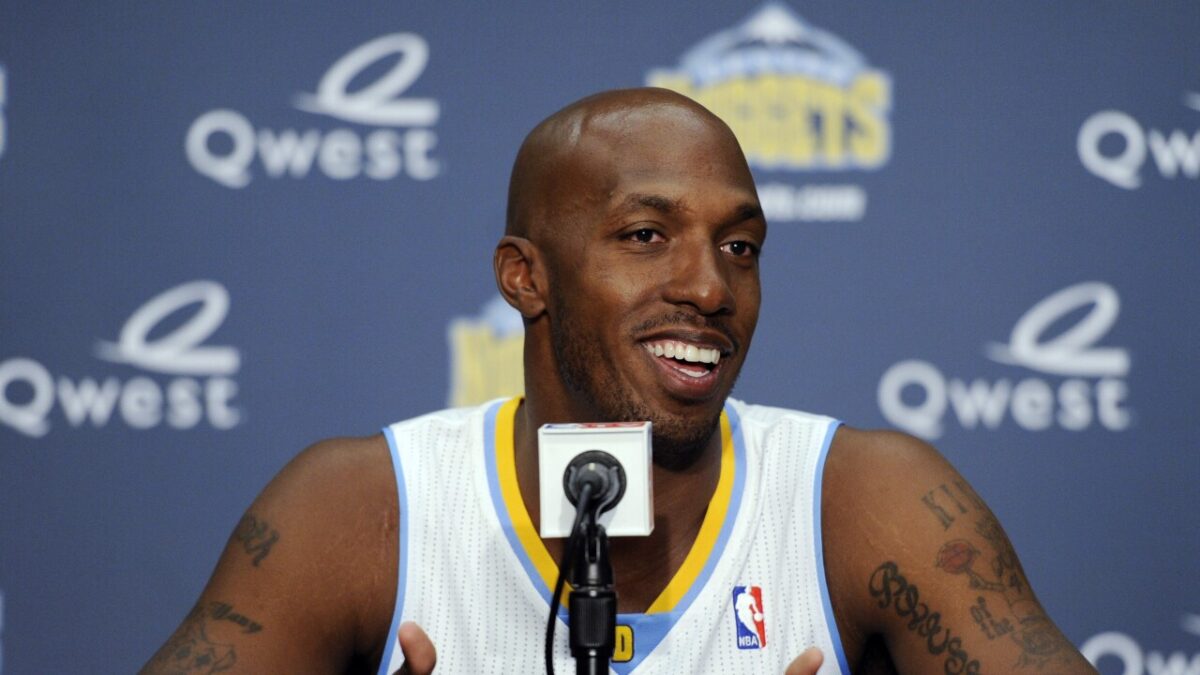
That’s because Billups wasn’t built for highlight culture. He was a cerebral floor general, composed, physical, and capable of controlling tempo, making clutch shots, and contributing defensively. “Mr. Big Shot” wasn’t just a nickname—it was a perfect summary of his impact. The best leaders aren’t always the loudest, and Billups embodies that truth.
Pau Gasol, the complete player too often seen as a sidekick
Then there’s Pau Gasol, who is still too often described as merely Kobe Bryant’s sidekick, as if he were just a high-level complementary piece. That interpretation is unfair.
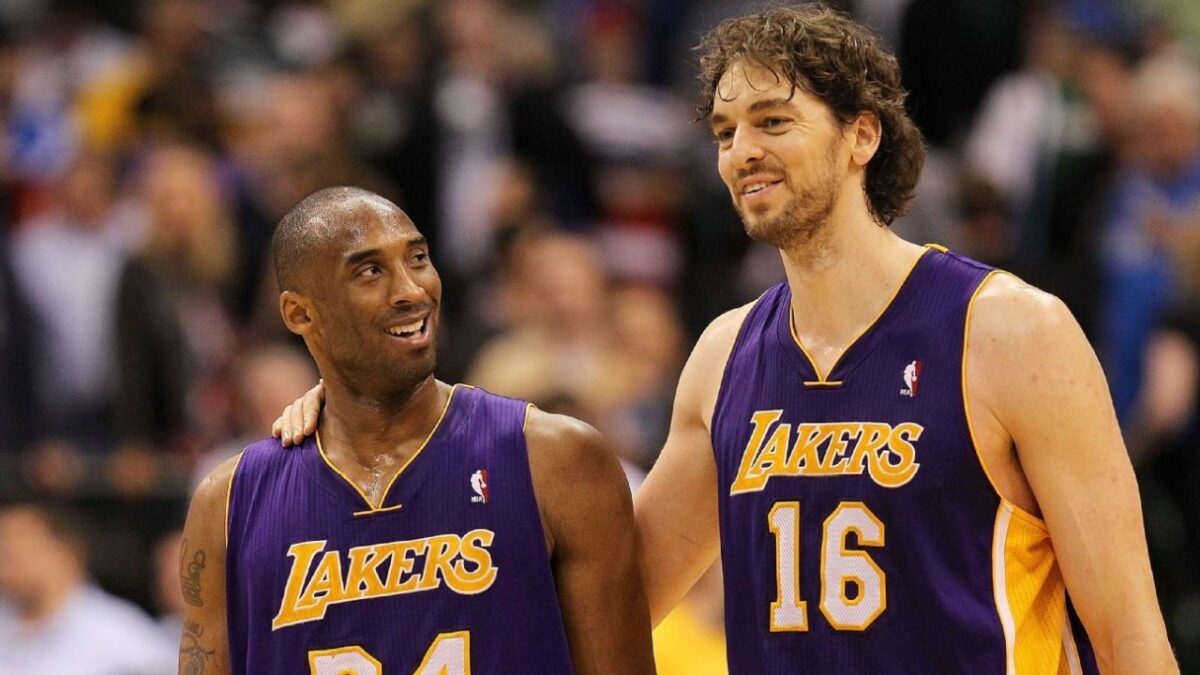
Gasol was Rookie of the Year, a six-time All-Star, four-time All-NBA selection, two-time NBA champion, and one of the most skilled and intelligent big men of his era. He was not a traditional center nor a conventional power forward—he was a versatile big who could pass, score, and read the game at an elite level, long before positional flexibility became a league-wide trend.
In the Lakers’ championship runs, Gasol was not just an accessory—he was a structural pillar. Without his balance, technical ability, and basketball IQ, those teams would not have achieved the same success. His quiet dominance is precisely why he continues to be underrated.
Also Read: LeBron James’ Las Vegas Bid in Tatters After Expected $10 Billion Price Scares Partners



/techfirstnow/media/agency_attachments/kATjCXskQdJKkXN0OuqW.png)