


“I Blame Roger Federer,” Denis Shapovalov Holds the Swiss Legend Responsible For the Demise of the One-Handed Backhand
Denis Shapovalov has remained one of the biggest stars in Canadian tennis.
 Follow Us
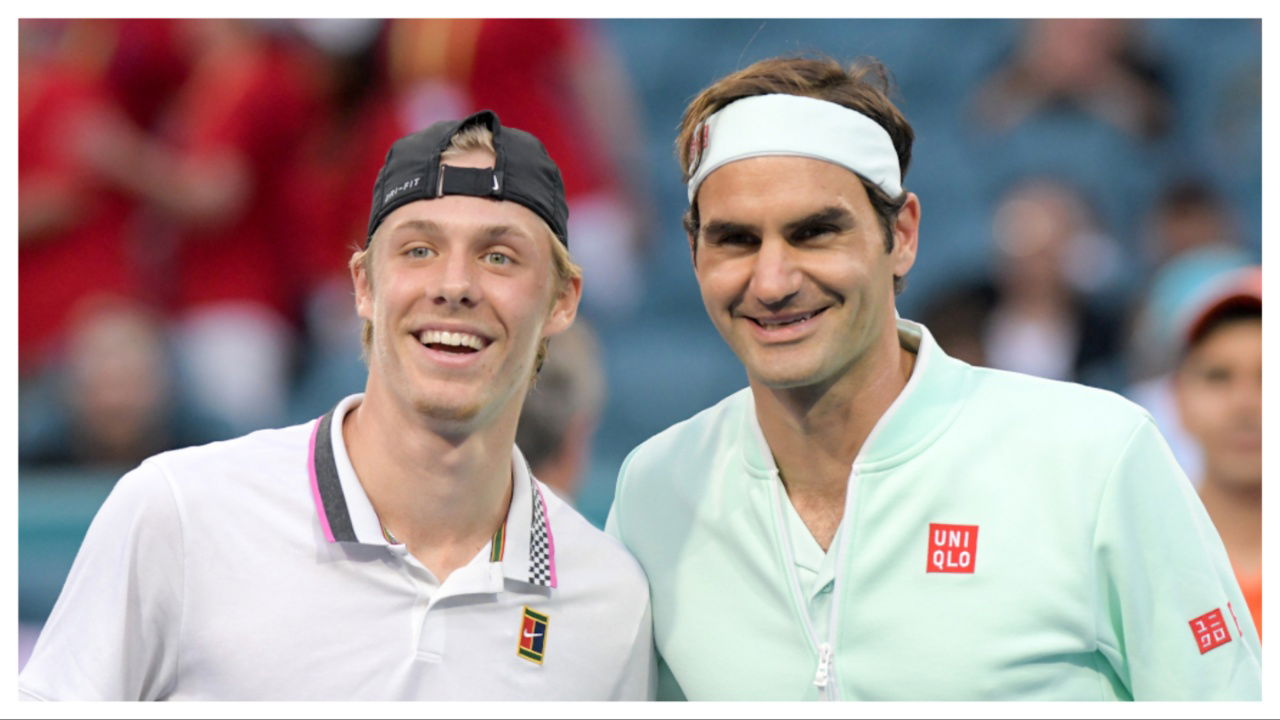
Denis Shapovalov and Roger Federer (Via Tennis 365)
- Denis Shapovalov blames Roger Federer for his choice of a one-handed backhand, citing the Swiss legend as a major influence.
- The one-handed backhand is becoming rare in modern tennis, with most top players opting for the stability of a two-handed backhand.
- Shapovalov's struggles with consistency highlight the challenges of using a one-handed backhand in today's fast-paced game.
It’s the shot that makes the viewers stop scrolling. It’s the stroke that gets the crowd going, the one that looks less like athletic exertion and more like a brushstroke on a canvas. But for Denis Shapovalov, the one-handed backhand is starting to feel less like a gift and more like a curse.
Fresh off a quarterfinal run at the 2026 Dallas Open, the Canadian star got candid about the origins of his signature shot. And the culprit? None other than the Swiss Maestro himself. Shapovalov said at the Ford Centre in Texas:
In a way, it’s a strength because you can definitely generate more power, achieve sharper angles, and be more flashy/creative with a one-handed backhand. But in today’s tennis, the trend is to have a solid two-handed backhand and generate power with the forehand. The game is so fast these days that having that extra arm on the backhand helps. That’s why it’s much rarer to see players with a one-handed backhand.The blame is on Roger Federer; I grew up watching him and wanted to play like him, so that’s definitely one of the main reasons why I have a one-handed backhand.
It’s a confession that cuts to the heart of modern tennis. The fans loved watching Roger Federer glide across the grass, popping winners with that majestic one-hander. But trying to replicate that magic in an era built on brutal efficiency, heavy topspin, and two-handed stability is a different beast entirely.
During Federer’s generation, there were many good one-handers, like Tommy Haas, Gustavo Kuerten, Tommy Robredo, and Fernando Gonzaelez. Currently, Lorenzo Musetti is probably the one recognizable tennis player with a single-hander, with Stanislas Wawrinka set to retire at the end of 2026.
The lonely road of the one-hander
The one-handed backhand is a dying art. If the viewers look at the top 100 rankings today, they’re looking at a sea of two-handers. The reason is simple physics and evolution.
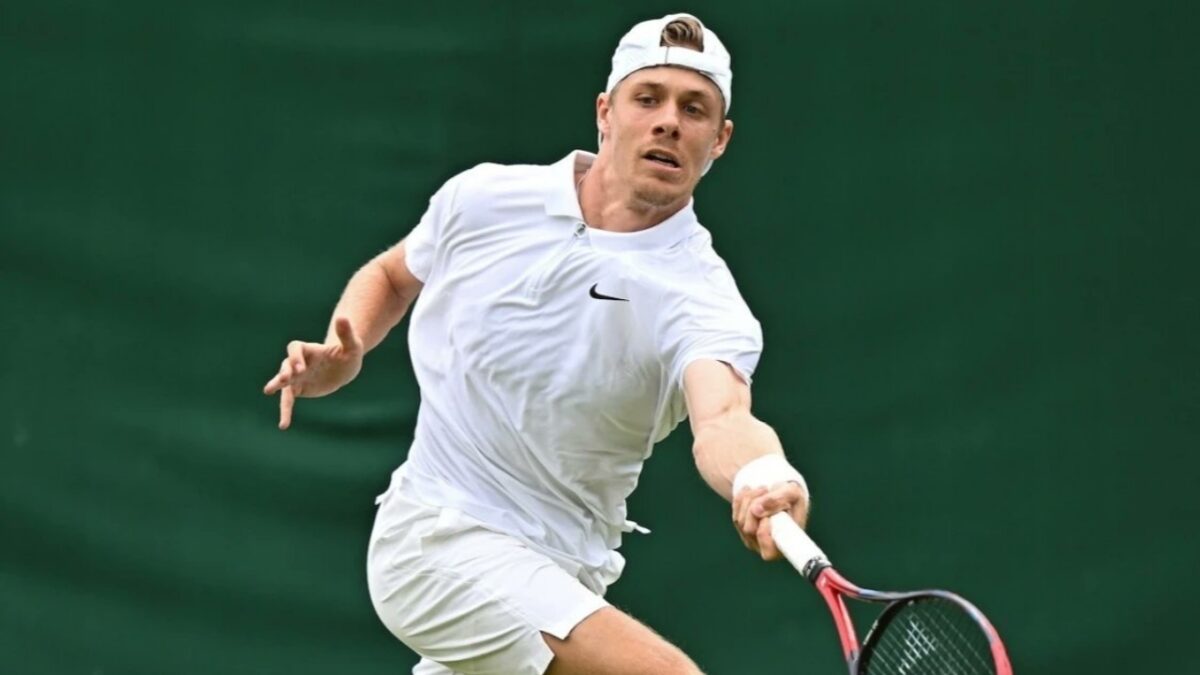
The game has gotten faster. The balls are bouncing higher. When a player like Carlos Alcaraz or Jannik Sinner rips a heavy topspin forehand to your backhand corner, hitting over that ball with one hand requires absolute perfection in timing and strength.
With two hands, a player has a crutch. He has stability. He can muscle the ball back even if he’s slightly off-balance. With one hand? He’s exposed.
Shapovalov is living proof of this high-risk, high-reward reality. When his backhand is on, it’s arguably the most electric shot in tennis. He leaps into it, creating angles that shouldn’t exist. But when it’s off? The errors pile up. The unforced error count climbs. And suddenly, the artistry doesn’t matter because one’s down a break in the deciding set.
Denis Shapovalov and the trap of nostalgia
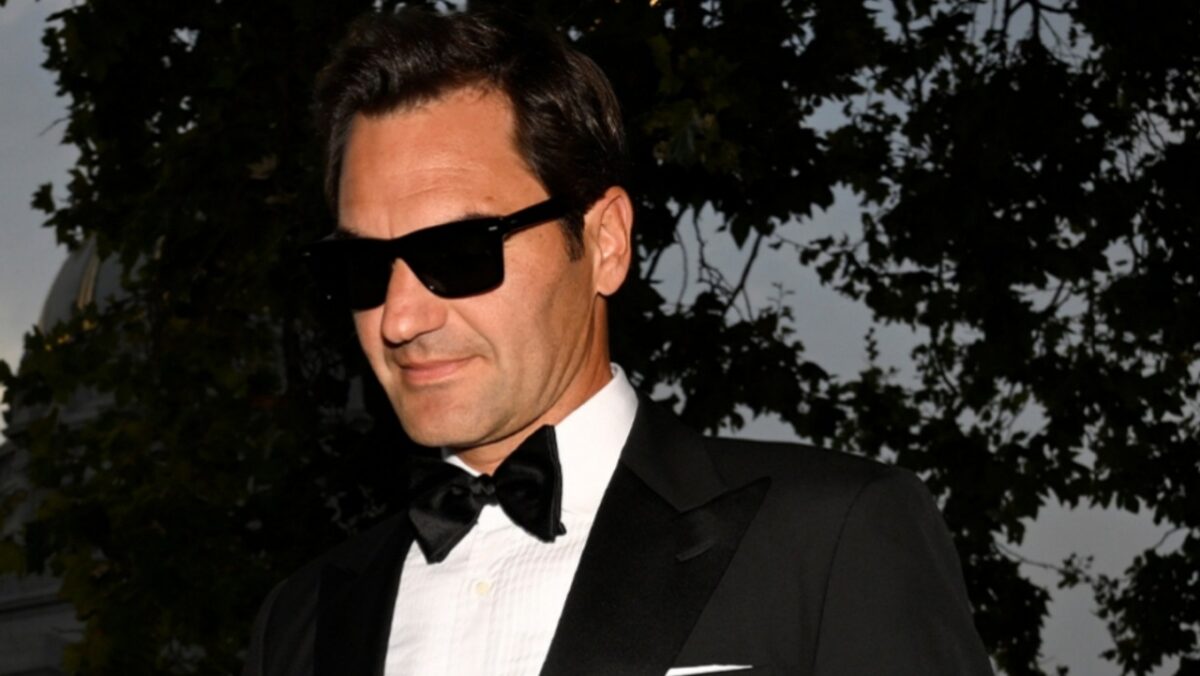
There is something tragic about Denis Shapovalov’s admission. It highlights a generational trap. Kids growing up in the 2000s worshipped Roger Federer. They wanted to be like the Swiss Maestro. But Federer was a unicorn. He moved differently. He had a variety and a tactical brain that allowed him to protect that backhand wing in ways mere mortals can’t.
By adopting Federer’s style, Shapovalov inherited the aesthetic appeal but also the tactical bulls-eye. Opponents know exactly where to go. They pepper that wing, forcing him to hit tough, high balls over and over again until the technique breaks down.
Reflecting on his career trajectory in Dallas, Shapovalov seems to be grappling with this reality. He was tipped as a future Grand Slam champion—a “Chosen One” of sorts. His explosive game dazzled us early on. But consistency has been his Achilles’ heel. The recent early exits in Brisbane and Melbourne earlier in 2026 were painful reminders that flair doesn’t always equal wins.
Also Read: Joao Fonseca Frustrated After Shocking Argentina Open Defeat



/techfirstnow/media/agency_attachments/kATjCXskQdJKkXN0OuqW.png)