


Jessica Pegula Fires Back on the Idea of Women’s Tennis Players Playing Five Sets
Jessica Pegula has responded to the idea presented by Craig Tiley.
 Follow Us
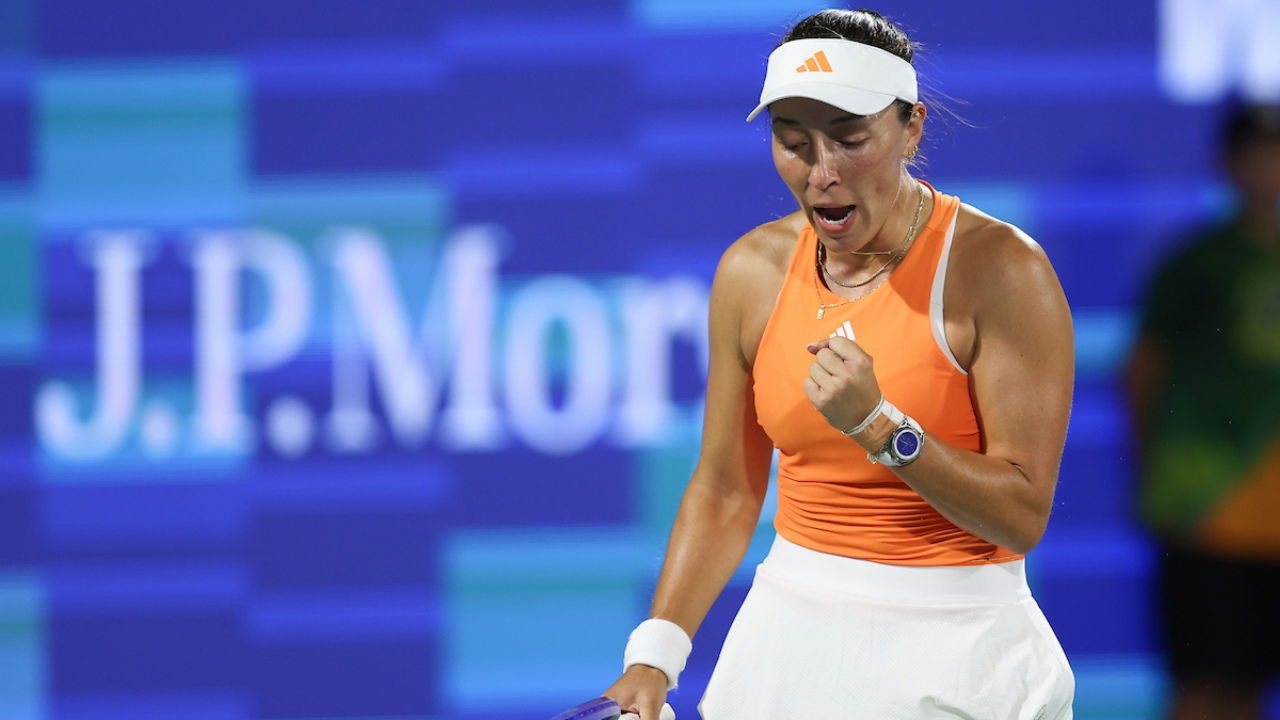
Jessica Pegula (via WTA Dubai)
- Jessica Pegula strongly opposes the idea of women's tennis players competing in five-set matches, citing logistical concerns.
- The debate over match formats has divided players, with some supporting the change while others, including Pegula, reject it.
- The discussion raises broader questions about equality in tennis, particularly regarding match length and prize money.
Jessica Pegula isn’t mincing words. The American star has come out swinging against the idea of introducing five-set matches in women’s tennis, and she’s not alone.
The debate has been brewing for years, but it reached a boiling point in early 2026 when Craig Tiley, the former Australian Open director and now the USTA’s head, reignited the conversation. His suggestion is that women should play best-of-five sets from the quarterfinals onward at Grand Slams. The reaction from the locker room was immediate and split right down the middle. Pegula said in her post-match press conference:
We shouldn’t do it, I’ve said it a few times already. I’m not a fan of five sets, not even in men’s matches. I know there are very exciting matches that leave a lasting impression, but in most cases, five sets happen because of player fatigue, because of their need to manage their energy differently. Many of them have told me this. There are spectacular athletes on the women’s circuit right now, I think we could play five-set matches, but we don’t have to.
Ranked among the best players in the world, Pegula didn’t hold back when asked about the proposal. Her response is a firm, flat-out rejection, and it carries real weight given the Americans’ standing in the sport. She added:
People could spend ten hours watching two tennis matches; I don’t think that would be the most enjoyable experience. I don’t think the men would want it either because the days would be much longer, matches would finish very late.
Her opposition centers on something often overlooked in these conversations: logistics. Extending women’s matches to five sets doesn’t just mean more tennis. It means tighter scheduling windows, shorter recovery time between rounds, and the very real possibility of matches bleeding into the late hours of the night. Anyone who watched the chaos of late-night finishes at past Grand Slams knows exactly what that looks like.
A locker room divided
Here’s where it gets interesting: not every top player agrees with Jessica Pegula. Aryna Sabalenka, the hard-hitting Belarusian who thrives in physical, grinding matches, has voiced support for the five-set format. Her game, built on power and endurance, would arguably benefit from a longer match structure.
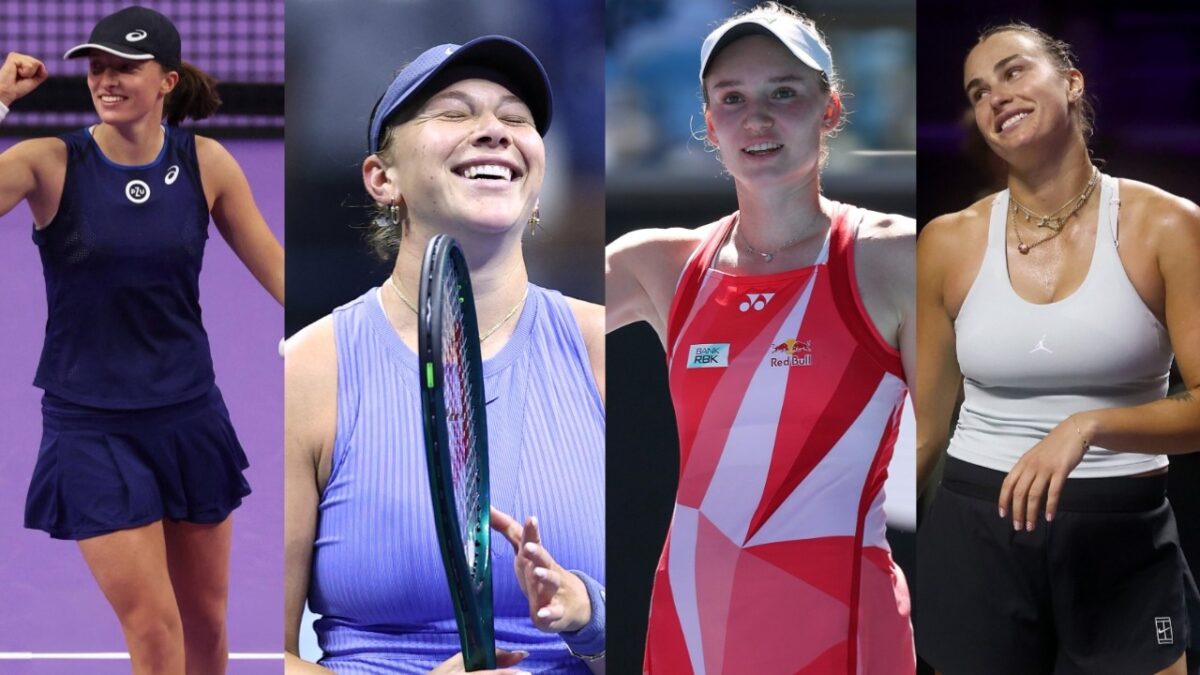
But Iga Swiatek and Elena Rybakina have lined up on Pegula’s side, opposing the change. Swiatek, the dominant clay-court force who relies on tactical precision, has been clear that the current format works. Rybakina, one of the most efficient servers in the women’s game, echoes that sentiment.
Tennis analysts who cover the scheduling side of Grand Slams have been quick to back up Pegula’s concerns. Late matches already push against broadcast windows, strain court crews, and force players into brutal turnarounds between rounds. Adding sets to women’s matches could turn tournament management into a logistical nightmare.
The bigger picture
This debate is about more than match length. At its core, it’s a question about what equality actually looks like in professional tennis.
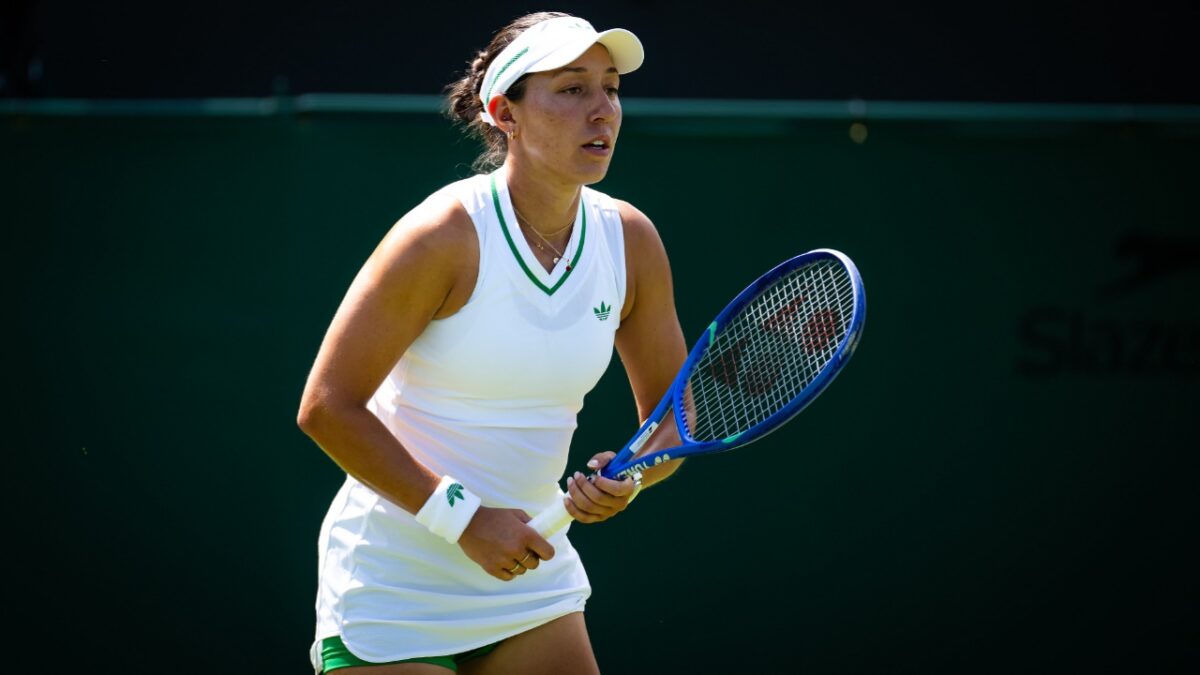
Critics of the current system argue that women playing fewer sets while earning equal prize money is an inconsistency that needs to be addressed.
Supporters of the status quo fire back that best-of-three produces just as much entertainment value and that forcing a format change in the name of optics isn’t progress. Neither side is entirely wrong. That’s what makes this conversation so difficult to resolve.
The French Open and Wimbledon have faced similar pressure in recent years, and each time, the governing bodies have backed off from making drastic moves. For now, no immediate changes are on the table. But with voices like Tiley continuing to push the idea and players like Sabalenka lending it credibility, this debate isn’t going away before the next Grand Slam rolls around.
Also Read: Jannik Sinner Points Out Main Reason Behind Opening his YouTube Channel



/techfirstnow/media/agency_attachments/kATjCXskQdJKkXN0OuqW.png)