

Former British ATP Star Speaks on the Toll of Tennis Schedule Amid Carlos Alcaraz Comeback Puzzle
Carlos Alcaraz is expected to return at the Cincinnati Open.
 Follow Us
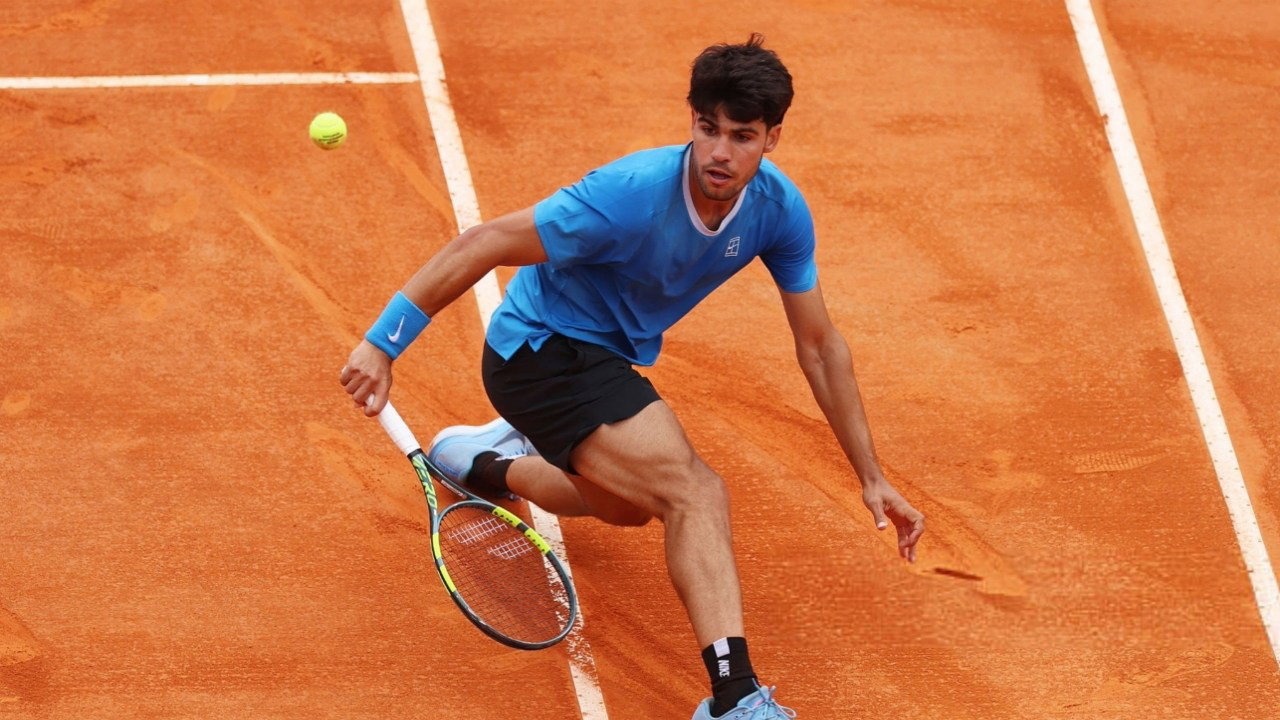
Carlos Alcaraz (Image via X/Carlos Alcaraz 4K)
The professional tennis circuit demands an unrelenting physical price, a reality brought back into sharp focus as former British star Kyle Edmund peeled back the curtain on the grueling nature of tour life. In a recent exclusive interview with Tennis365, Edmund discussed the heavy physical toll exacted on modern athletes, touching on the complex web of injuries.
This frank discussion arrives at a time when player welfare and calendar complaints have dominated locker room conversations across the ATP and WTA tours. With top names like Carlos Alcaraz, Novak Djokovic, and Emma Raducanu frequently dealing with severe physical setbacks, the conversation surrounding calendar congestion and match loads has never felt more urgent.
I think there’s no doubt the game is more physical, certainly being on the tour and speaking to ex-players… the demands, the way people are moving is physical. There’s chat about the calendar, more days at the tournaments, the extended Masters events. [There’s] probably less downtime between the tournaments, so you don’t have time to do physical blocks to build your body up throughout the year. You’re very much maintaining. So apart from the off-season, you’re just maintaining throughout the year, and to maintain and do training where you’re just, not trying to increase your fitness, but just cope with the demands for 11 months of the year, can be a challenge.
Edmund used the exclusive interview to detail how physical breakdowns alter the trajectory of a player’s career, emphasizing that the public often only sees the glitz of center court rather than the grim reality of chronic pain. The former Australian Open semifinalist noted that managing a broken body on tour requires a mental fortitude that rivals the tactical aspects of the game itself. He added:
There’s another thing: the balls. I don’t have stats with the balls, but the arm injuries, the wrist injuries… I had a wrist injury at the back end of my career. I never had any wrist injuries before… I don’t what that was. I was obviously coming back from a knee injury, so it might’ve just been I wasn’t ready for the demands of playing match after match.
As the tennis ecosystem grapples with these mounting complaints over scheduling and player burnout, the sport finds itself at a crucial crossroads. The path forward will likely require a collaborative effort among players, coaches, and tour executives to reevaluate how physical health is prioritized amid an increasingly packed calendar.
The relentless grind of modern Tennis calendars
The modern tennis calendar has evolved into an endless marathon, stretching players across multiple continents with barely a moment to breathe. Tournaments bleed into one another, leaving athletes with microscopic off-seasons that fail to accommodate adequate rest or tissue recovery. This perpetual motion machine of competitive tennis creates an environment where injuries are not merely accidental anomalies, but statistical certainties waiting to happen.
Elite competitors find themselves caught in a mandatory trap where skipping premier events carries heavy ranking and financial penalties. Consequently, stars push through minor twinges and chronic discomfort, transforming manageable muscle fatigue into major structural damage. The governing bodies continue to expand mandatory commitments, leaving athletes to shoulder the burden of a system that prioritizes commercial revenue over biological recovery.
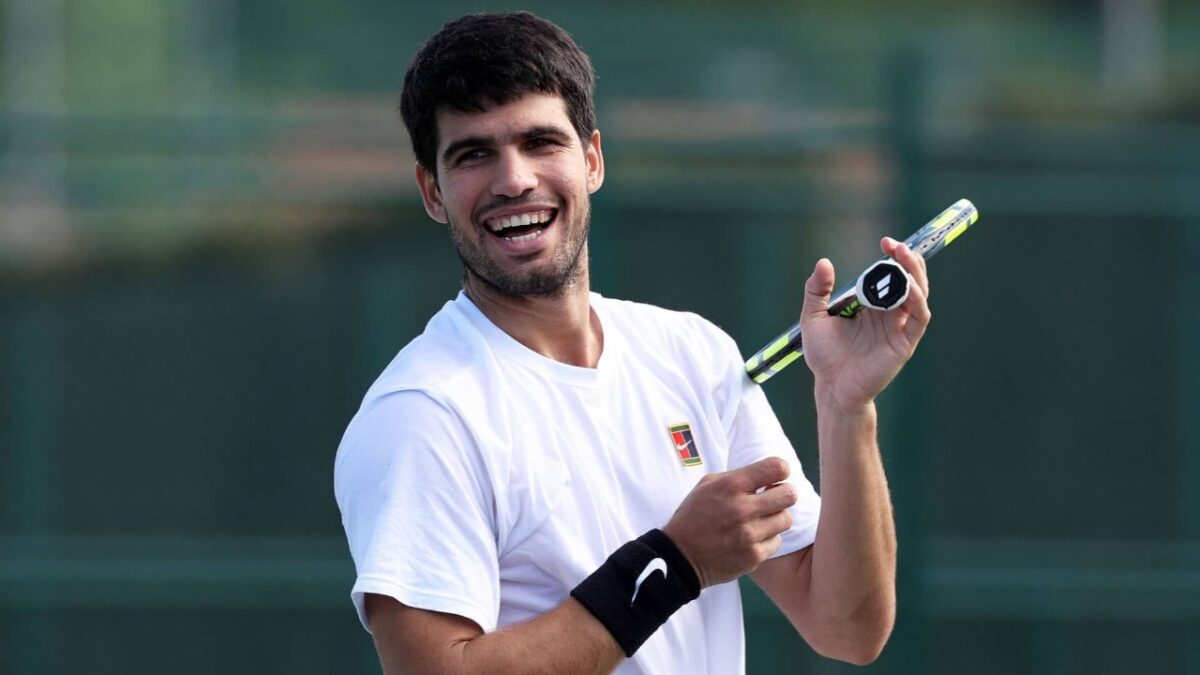
When players like Carlos Alcaraz experience unusual lulls or unexpected physical vulnerabilities during the summer stretch, it exposes the cracks in the current structural model. Training regimens must be drastically dialed back just to keep athletes functional, compromising the quality of preparation for Grand Slams. The sport’s brightest talents spend half their energy managing rehab protocols rather than mastering their craft on the practice court.
For veterans and rising stars alike, this relentless pace fosters a profound sense of professional burnout that extends far beyond physical ailments. The mental toll of constantly waking up to rehabilitation sessions and pain management routines wears down even the most resilient competitors. Without structural reform to calendar density, the tennis world risks turning its premier events into endurance tests of survival rather than showcases of peak athletic brilliance.
Navigating career crossroads and medical setbacks
Edmund’s personal journey through the medical wilderness offers a sobering lens through which to view these modern complaints. Years of fighting through persistent knee issues forced him to witness his ranking plummet and his momentum grind to an agonizing halt. The process of going under the knife multiple times strips away an athlete’s identity, replacing the joy of competition with sterile training rooms and lonely recovery milestones.
The psychological weight of such prolonged absences is something few outsiders truly understand until they experience it firsthand. When one’s livelihood depends on explosive lateral movements and relentless baseline power, a compromised joint takes away their primary weapon. Edmund’s willingness to discuss these dark periods shines a necessary light on the invisible battles fought away from the flashing camera bulbs and stadium applause.
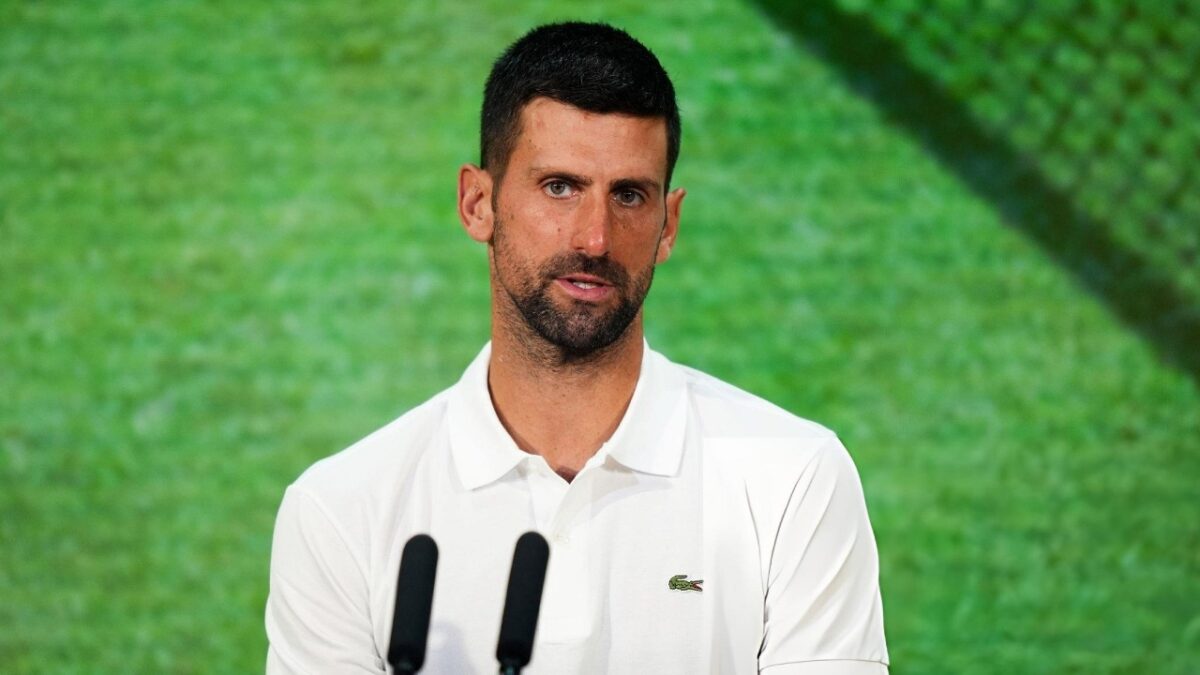
Other top-tier competitors, including Emma Raducanu and Novak Djokovic, have faced their own public battles with physical limitations at critical moments in their careers. Raducanu’s rapid ascent and subsequent struggle with multiple surgical procedures highlight how fragile youthful momentum can be under the tour’s magnifying glass. Even a twenty-four-time Grand Slam champion like Djokovic has had to fundamentally restructure his scheduling approach to preserve his body for the sport’s biggest stages.
Ultimately, these cautionary tales dictate that longevity in professional tennis is less about raw talent and more about intelligent physical management. Athletes must learn to listen to their bodies and accept that missing a tournament today might save a career tomorrow.
Also Read: Goran Ivanisevic Believes Novak Djokovic “Will Push Through” Until the 2028 Olympics
Fahad Hamid
(1769 Articles Published)