


Marco Trungelliti Reveals Getting Offered $50,000 to ‘Fix a Match’ After Progressing in Marrakech
Marco Trungelliti plays top seed Luciano Darderi next.
 Follow Us
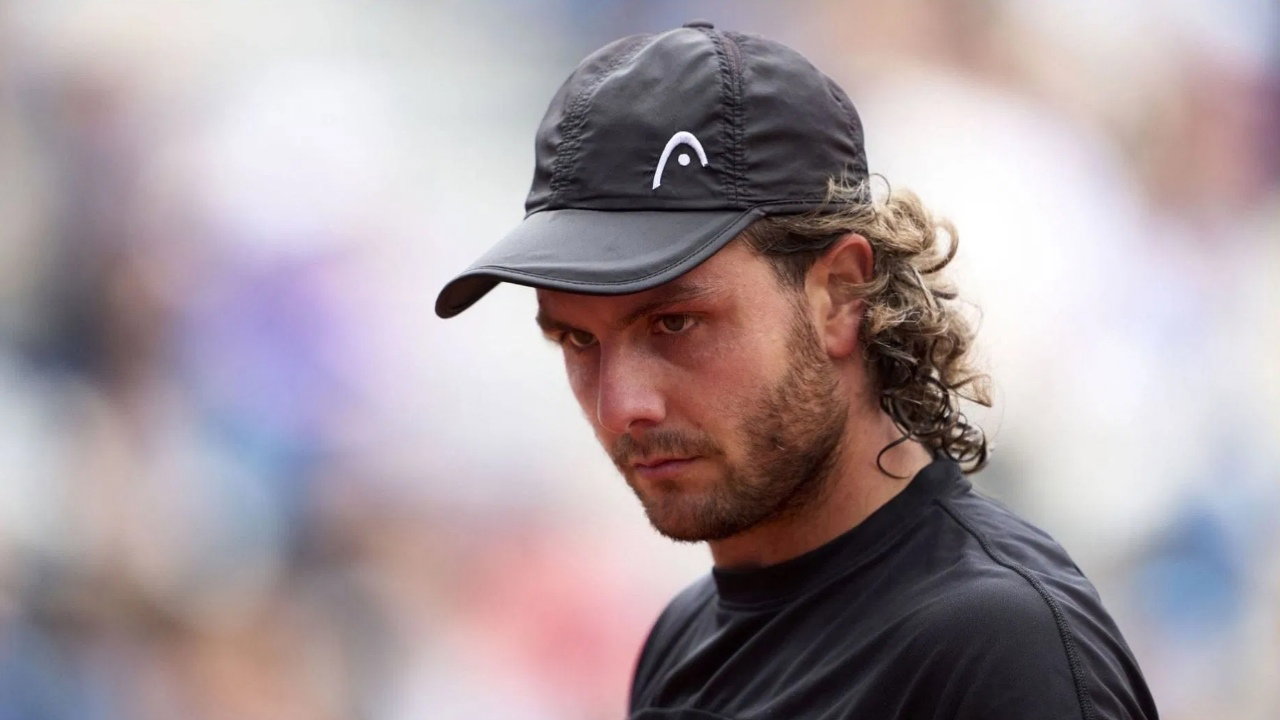
Marco Trungelliti (via Tennis Gazette)
- Marco Trungelliti has broken into the ATP Top 100 for the first time at age 36 after a successful run at the Marrakech Open.
- He revealed he was offered $50,000 to fix a match, highlighting the financial pressures faced by lower-tier players.
- Trungelliti's rise has sparked discussions on prize money distribution and the need for stronger protections against match-fixing in tennis.
Marco Trungelliti has spent most of his career in the part of pro tennis that rarely gets the glossy treatment. No luxury suites. No prime-time billing. Mostly long flights, modest prize checks, and the kind of grind that can make even the most stubborn competitors wonder if the sport loves them back.
And yet, here he is. At 36, Trungelliti has broken into the ATP Top 100 for the first time after a standout run at the ATP Marrakech Open 2026, where he beat Corentin Moutet in the quarterfinals and pushed his projected ranking to around No. 85.
That alone would be a feel-good sports story. A late-career breakthrough always plays well because it reminds people that not every dream arrives on schedule.
But with Trungelliti, the story carries more weight than a ranking jump. This is also one of tennis’s most notable whistleblowers against match-fixing. Years ago, he revealed that he had been offered $50,000 to fix a match, and he reported it. He said on L’Equipe:
If you take 300 euros for a first round and someone offers you 5,000 to fix a tennis match, you’ll say no once, twice, three times, but when you go home penniless, and you see others doing it, it becomes hard to refuse. I was offered 50,000 dollars to fix a match. 50,000 dollars for an hour’s work. If you start thinking about it, even a little, you’re done for. That’s usually what happens.
Lower-tier tennis is not glamorous. For many players outside the elite, early-round losses can mean tiny paydays, especially given the costs of travel, coaching, lodging, and simply staying on tour. Trungelliti himself explained the pressure clearly: when a player earns around €300 for an early-round match, and someone offers thousands to fix it, temptation is no longer theoretical. It becomes a brutal financial equation.
That doesn’t excuse corruption. But it does explain the environment that allows it to grow. And that’s why his story matters beyond one player’s success. Match-fixing in tennis is not just about bad actors. It is also about structural vulnerability. When enough players are living close to the edge, the sport creates openings for the wrong people to step in.
Trungelliti reaches the ATP Top 100 in Marrakech
The immediate headline is simple: Trungelliti is finally in the Top 100. He earned it the hard way, which is pretty much his brand. In Marrakech, he came through qualifying with wins over Hynek Barton and Rei Sakamoto, then kept rolling in the main draw by defeating Henrique Rocha, Kamil Majchrzak, and Corentin Moutet.
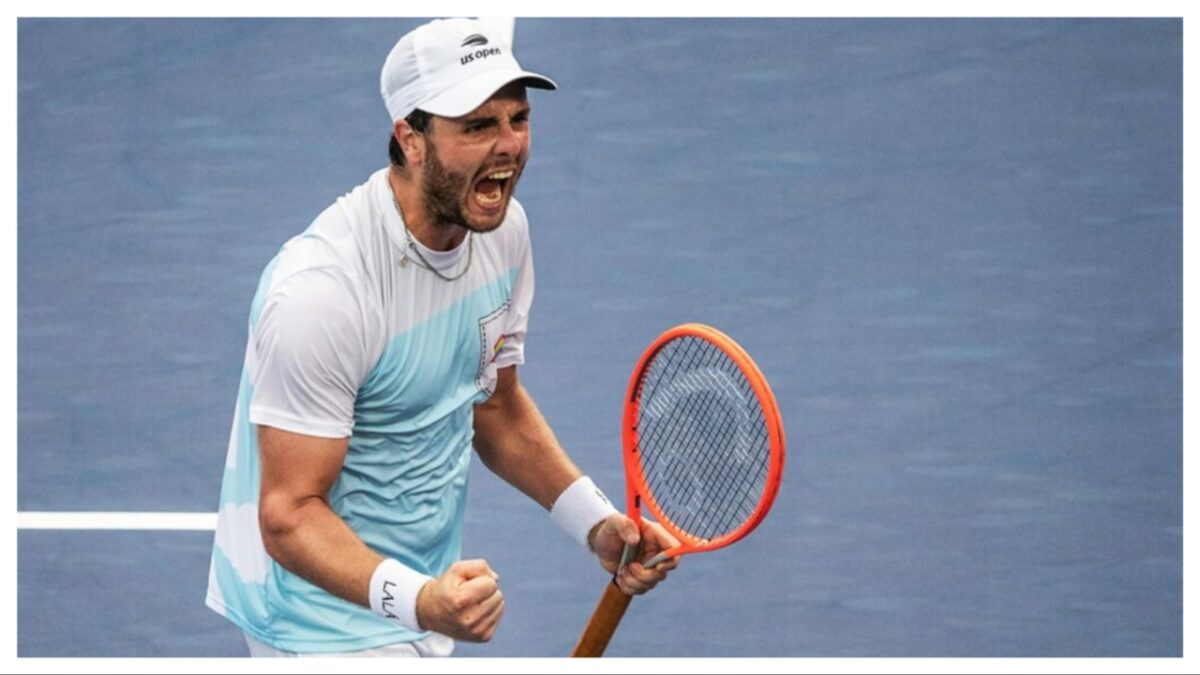
That quarterfinal win over Moutet sealed the milestone. For most players, reaching the Top 100 is a career goal checked off in their early or mid-20s, maybe with a little swagger and a sponsorship bump. For Trungelliti, it arrived at 36, after years of life on the Challenger circuit and more than a few moments when walking away would have been understandable.
Instead, he stayed in the fight. Tennis loves talking about resilience, sometimes to the point where the word loses its punch. But in this case, it fits. No buzzword inflation needed.
His next challenge in Marrakech was a semifinal against top seed Luciano Darderi, but the bigger point had already landed. Trungelliti was no longer just a veteran hanging around. He had forced his way into a new tier.
What comes next for Trungelliti
On the tennis side, the Top 100 changes things. For Marco Trungelliti, it could mean direct entry into bigger tournaments, fewer exhausting detours through qualifying draws, and a chance to earn a more stable income. In pro tennis, that is not a small upgrade, but it is oxygen.
There is also the broader impact. His rise has revived discussion of prize money distribution, integrity enforcement, and the need for stronger protections for players who report corruption.
Tennis has been dealing with ongoing investigations into match-fixing networks in lower-tier events, and stories like this keep the pressure on governing bodies to act with more urgency.
Also Read: Samuel Lopez Trusts Alvaro Alcaraz’s Abilities to Support Brother Carlos Alcaraz as Second Coach



/techfirstnow/media/agency_attachments/kATjCXskQdJKkXN0OuqW.png)