

Marketa Vondrousova Highlights Mental Health Battle Behind Doping Incident
Marketa Vondrousova has been out of action since the start of the season.
 Follow Us
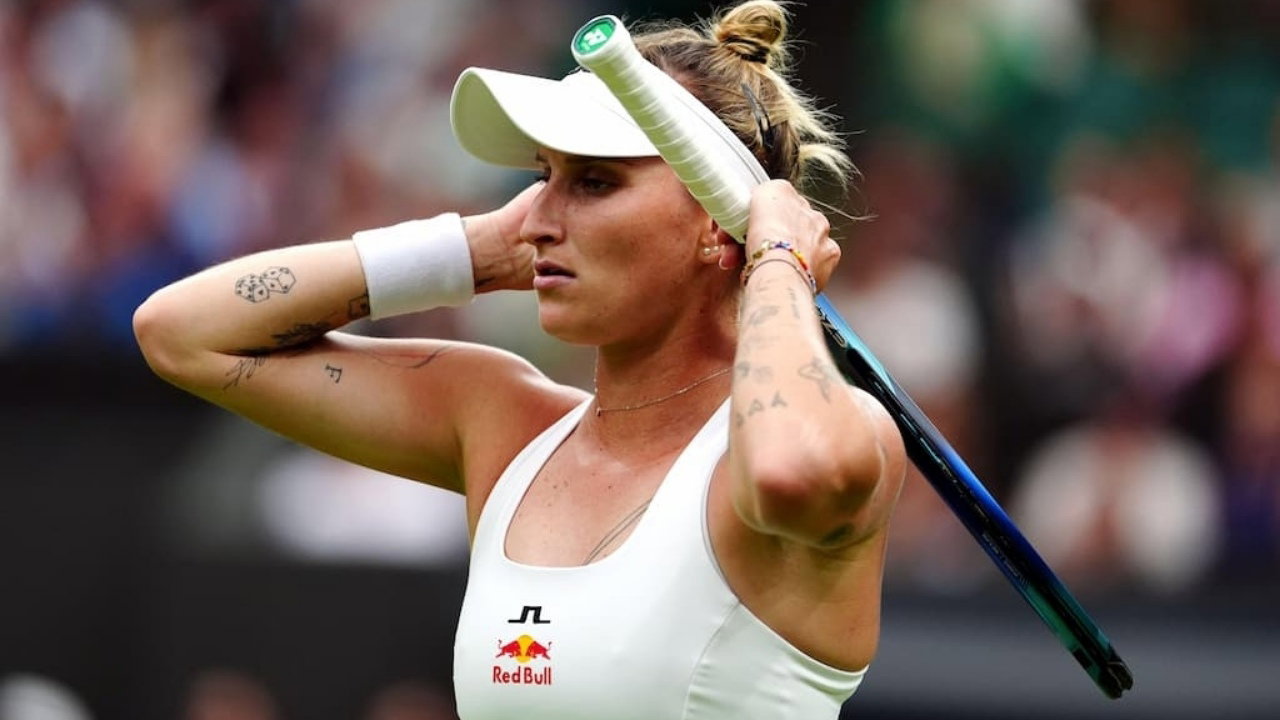
Marketa Vondrousova (Image via Tennis365)
- Marketa Vondrousova faces a potential four-year ban for refusing a doping test due to severe mental health struggles.
- She revealed her battle with acute stress reaction and generalized anxiety disorder, exacerbated by physical injuries and online threats.
- Vondrousova is stepping back from tennis to focus on her well-being while working with her legal team to contest the charges.
The tennis world received a massive update on former Wimbledon champion Marketa Vondrousova ahead of the grueling summer swing. The International Tennis Integrity Agency reported that the 26-year-old Czech star has been charged with a doping offense after refusing a late-night test back in December.
This isn’t just another routine missed test in the heavily monitored world of professional sports; it’s a deeply complicated situation that pulls back the curtain on the intense psychological toll of the professional tennis circuit.
Vondrousova is currently staring down the barrel of a potential four-year ban, a career-altering consequence that stems not from a failed sample but from a desperate moment of panic, severe exhaustion, and a genuine fear for her personal safety.
According to a deeply personal statement published on Vondrousova’s verified Instagram account and corroborated by the International Tennis Integrity Agency (ITIA), the Czech player refused to allow a doping control officer into her apartment on December 3, leading directly to the current charges and ongoing investigation. Vondrousova wrote on Instagram:
It is very tough for me to talk about this, but I want to be transparent with you about my mental health. The recent doping control incident happened because I reached a breaking point after months of physical and mental stress…On top of that, years of hateful messages and threats have affected how safe I feel in my own space.
So, what happens next for the former Wimbledon queen? Right now, the tennis court is taking a back seat to the therapist’s couch. She added:
Tennis has always been my world, but right now i’m also focusing on healing and getting through this in the best way i can. i’m still working to clear my name, but at the same time i need to take care of myself. thank you to my boyfriend, my family, and everyone who has stood by me – it means more than i can explain. for now, I’m taking a bit of time to breathe and recover.
Marketa Vondrousova on IG:
— The Tennis Letter (@TheTennisLetter) April 17, 2026
“It is very tough for me to talk about this, but i want to be transparent with you about my mental health.
the recent doping control incident happened because i reached a breaking point after months of physical and mental stress.”
“For a long time,… pic.twitter.com/MQ1QUl6mbZ
Vondrousova is officially stepping back from the relentless grind of the WTA tour to focus entirely on her mental and physical well-being. She is working with her legal team to clear her name and navigate the ITIA charges, hoping that context, medical records, and the mishandling of the late-night visit will save her from a devastating four-year suspension. While her fight against the doping agency continues behind closed doors, her most important battle is just beginning.
The breaking point of a champion
To understand how a reigning Grand Slam champion finds herself at odds with the ITIA, the fans have to look at the miles on the odometer. Marketa Vondrousova hasn’t played a competitive singles match since the Adelaide International in January.
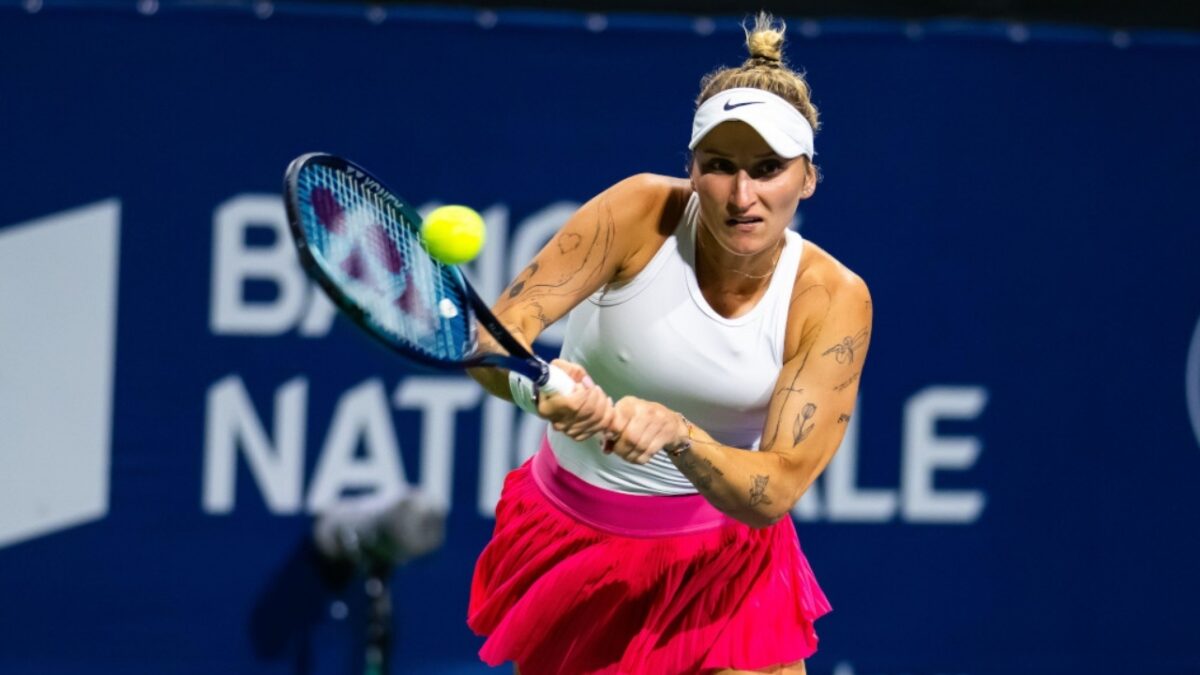
She withdrew from the Australian Open, citing a lingering left shoulder injury, the same shoulder that derailed her US Open run last fall. But the physical ailments were apparently just the tip of the iceberg.
In her social media address, Vondrousova admitted she could no longer pretend she was okay. Medical experts recently diagnosed her with an acute stress reaction and generalized anxiety disorder.
This came after a brutal stretch of constant physical pain, unrelenting mental pressure, and chronic sleep deprivation that left her feeling entirely hollowed out. Tennis demands everything from its elite athletes, and for Vondrousova, the tank had simply run dry. She noted that she had reached a “breaking point” after months of trying to keep up appearances while her mind and body were quietly shutting down.
A late-night knock and a haunting past
The incident in question adds a layer of human emotion to what is usually a very sterile, bureaucratic anti-doping process. At 8:15 p.m. on a cold December night, an officer from Germany’s anti-doping agency rang Vondrousova’s doorbell. According to the tennis star, the individual did not properly identify themselves or follow standard protocol.
For a young woman home alone, navigating severe anxiety and exhaustion, a stranger demanding entry into her personal sanctuary triggered a visceral fight-or-flight response. Vondrousova noted that her judgment was heavily clouded by fear at the time.
“After what happened to Petra, we don’t take strangers at our door lightly,” she wrote, referencing the horrific 2016 home invasion where fellow Czech tennis star Petra Kvitova was attacked and severely injured by an intruder wielding a knife.
When you factor in the years of hateful messages and online threats that modern athletes endure daily, it becomes painfully easy to understand why a late-night knock from an unidentified stranger resulted in a locked door.
It wasn’t about avoiding a urine test; it was about basic human survival instincts taking the wheel. Vondrousova expressed frustration over the lack of respect for personal boundaries, asking if it was normal for officials to sit in a player’s living room at night waiting for a sample after a grueling day of training.
Also Read: Joao Fonseca Points Out Where He Must Improve to Reach Carlos Alcaraz and Jannik Sinner’s Level
Fahad Hamid
(1769 Articles Published)