

Naomi Osaka Considers Fashion Part of her DNA After Entering Roland Garros Second Week
Naomi Osaka is looking for her first Grand Slam outside hard courts.
 Follow Us
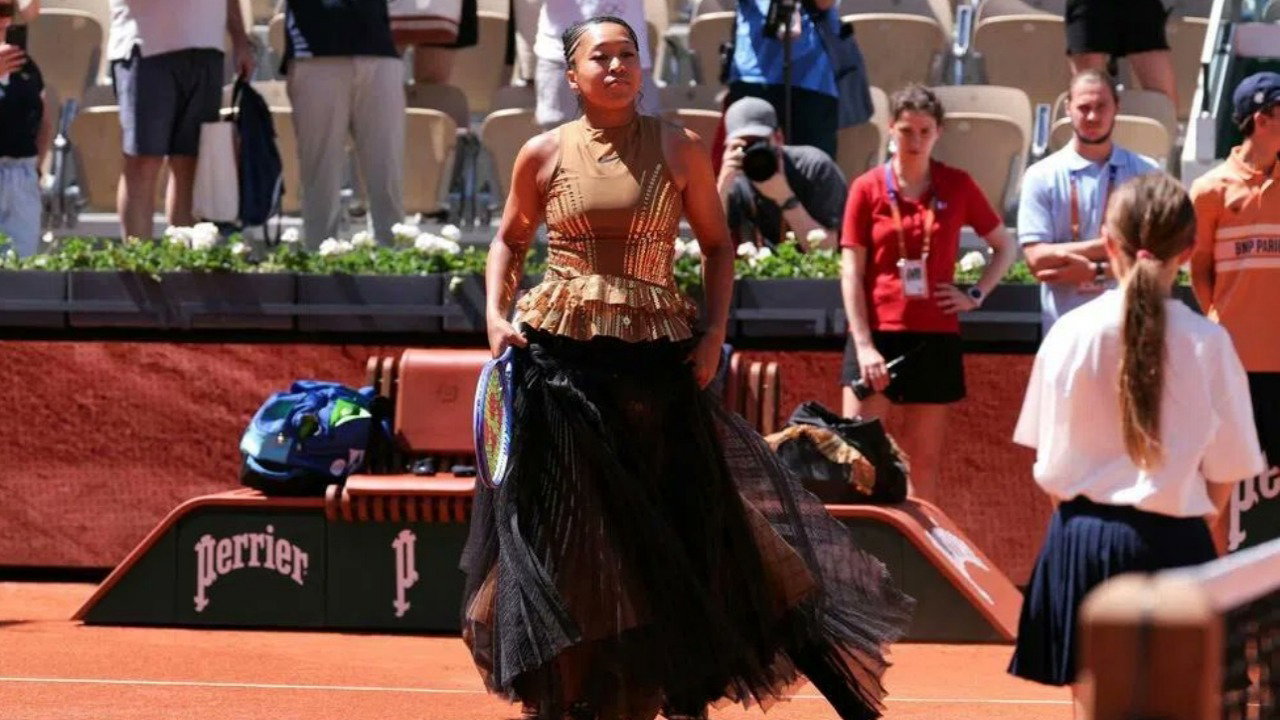
Naomi Osaka at the French Open (via X/Jose Morgado)
- Naomi Osaka advanced to the fourth round of Roland Garros for the first time, marking her 100th Grand Slam match win.
- Her fashion choices, including a sequined jacket and gold minidress, reflect her identity and are planned 18 months in advance.
- Osaka's success on clay signifies a mental shift after prioritizing her mental health and overcoming past struggles at the tournament.
Naomi Osaka delivered one of the most significant wins of her career at Roland Garros, advancing to the French Open fourth round for the first time. Her victory over 18‑year‑old American Iva Jovic came in a tense three‑set battle, 7‑6 (5), 6‑7 (3), 6‑4, marking her 100th Grand Slam match win and a breakthrough moment on clay.
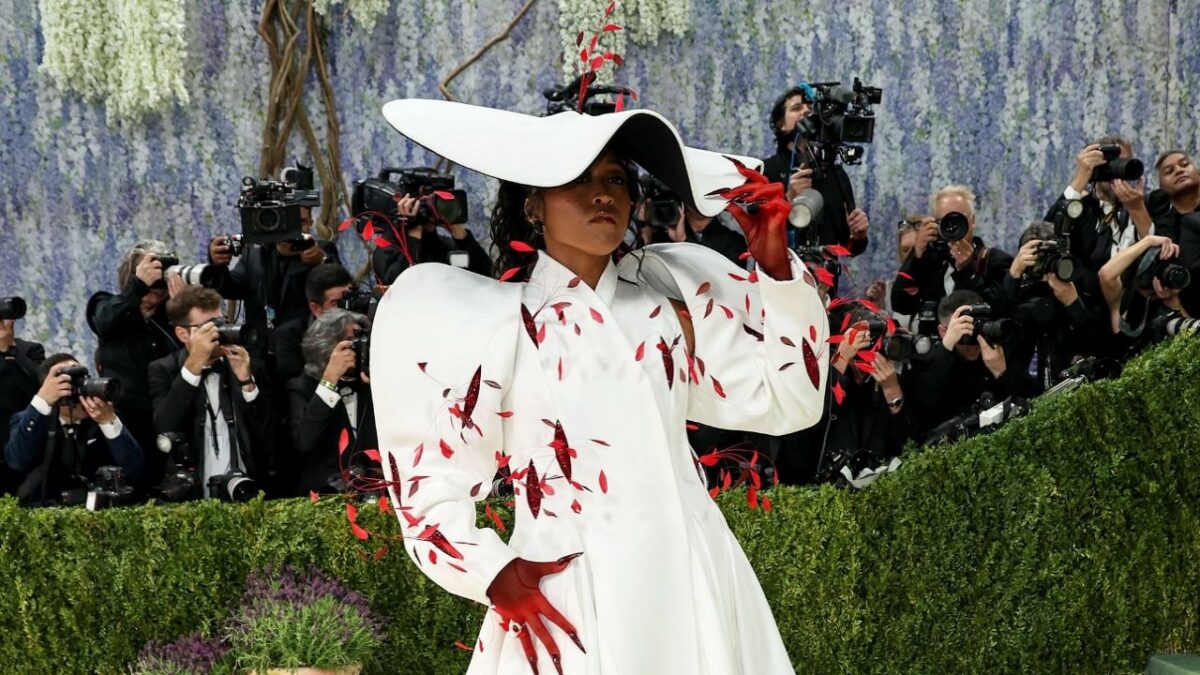
Osaka’s molten-bronze sequined jacket and tulle train were more than a fashion statement; they were a declaration of identity. She later switched to a gold racerback Nike minidress for play, but the pre‑match look sparked debate. German veteran Laura Siegemund criticized her approach, saying Osaka treats matches like a “fashion show.” Osaka, however, dismissed the criticism:
I can’t disconnect from fashion; it’s part of who I am. I don’t feel like I have to turn something on or off when I play. It’s my way of expressing myself. In fact, right now it would seem stranger to play in a normal tennis outfit. I think it’s part of the fun. For a long time, I didn’t enjoy playing, and you all know that stage of my life. Now I want everything to be fun and exciting for me.
Her outfits are planned 18 months in advance, requiring multiple fittings to adjust for fabric and body changes. For Osaka, fashion is not a distraction, as it’s part of her DNA.
Why Naomi Osaka’s run matters
For years, clay has been Naomi Osaka’s toughest surface. She had never progressed beyond the third round in Paris, often struggling with movement and consistency.
This win signals not only technical improvement but also a mental shift. After withdrawing from Roland Garros in 2021 to prioritize her mental health, Osaka’s return in 2026 with renewed confidence and flair is a full‑circle moment.
Her success matters because Osaka is more than just a four‑time Grand Slam champion. She is a global icon who has influenced conversations around mental health, fashion, and identity in sports. To see her thriving again on one of the sport’s most demanding stages is a reminder of how perseverance and reinvention can redefine a career.
Osaka’s clay struggles mirror those of other hard‑court specialists. Players like Pete Sampras and Maria Sharapova initially faced skepticism about their ability to adapt to Roland Garros. Sharapova eventually conquered Paris twice, while Sampras never did. Osaka’s breakthrough into the fourth round may not guarantee a title, but it signals progress.
Supporting details and timeline
Naomi Osaka’s journey to this moment has been anything but straightforward. She burst onto the scene in 2018, defeating Serena Williams at the US Open to claim her first major. Since then, she has added three more Grand Slam titles, but clay has remained elusive.
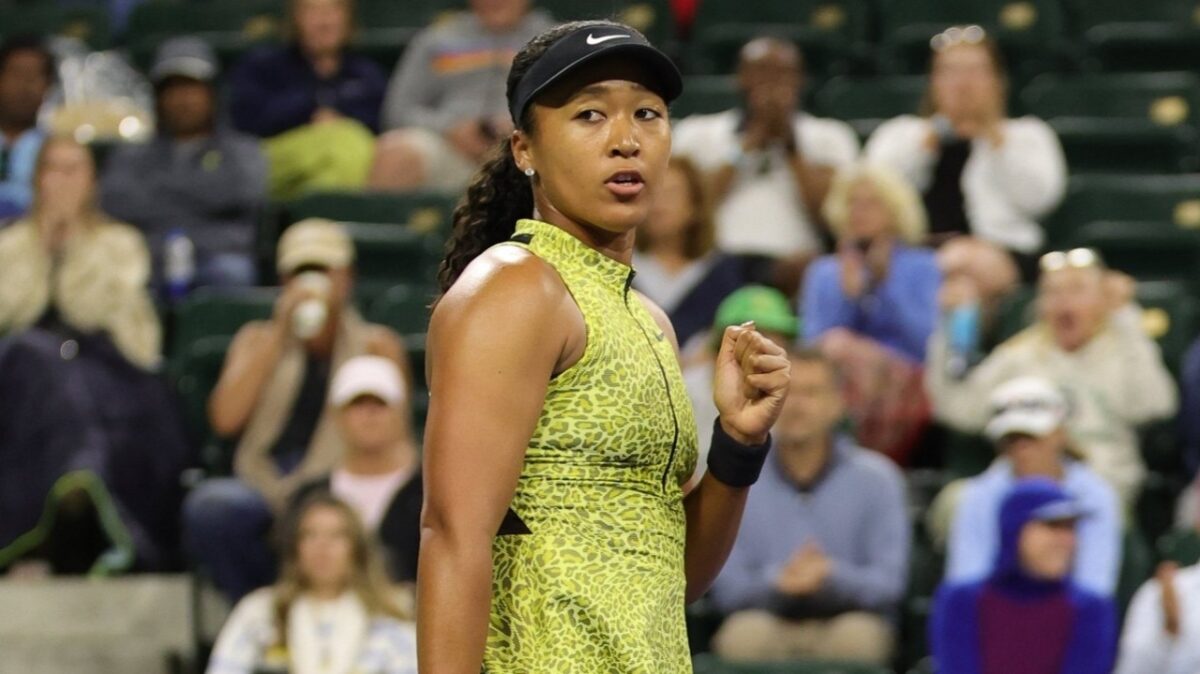
Osaka’s win over Jovic was her 100th Grand Slam match victory. She withdrew from Roland Garros in 2021, citing mental health concerns, and had never advanced past the third round before this year.
Her fashion team coordinates outfits well ahead of tournaments, blending performance gear with runway aesthetics. From her 2018 breakthrough to her 2026 comeback, Osaka’s career arc reflects resilience, reinvention, and a willingness to challenge norms.
Osaka now faces Aryna Sabalenka, the reigning world No. 1, in the Round of 16. Sabalenka’s power game will test Osaka’s resilience, but the matchup promises to be one of the highlights of the tournament. A win would cement Osaka’s comeback as one of the defining stories of Roland Garros 2026.
Fahad Hamid
(1769 Articles Published)