


Oleksandra Oliynykova Refuses Handshake With Russian-Born Polina Kudermetova in Charleston
Oleksandra Oliynykova was beaten in three sets by Polina Kudermetova in Charleston.
 Follow Us
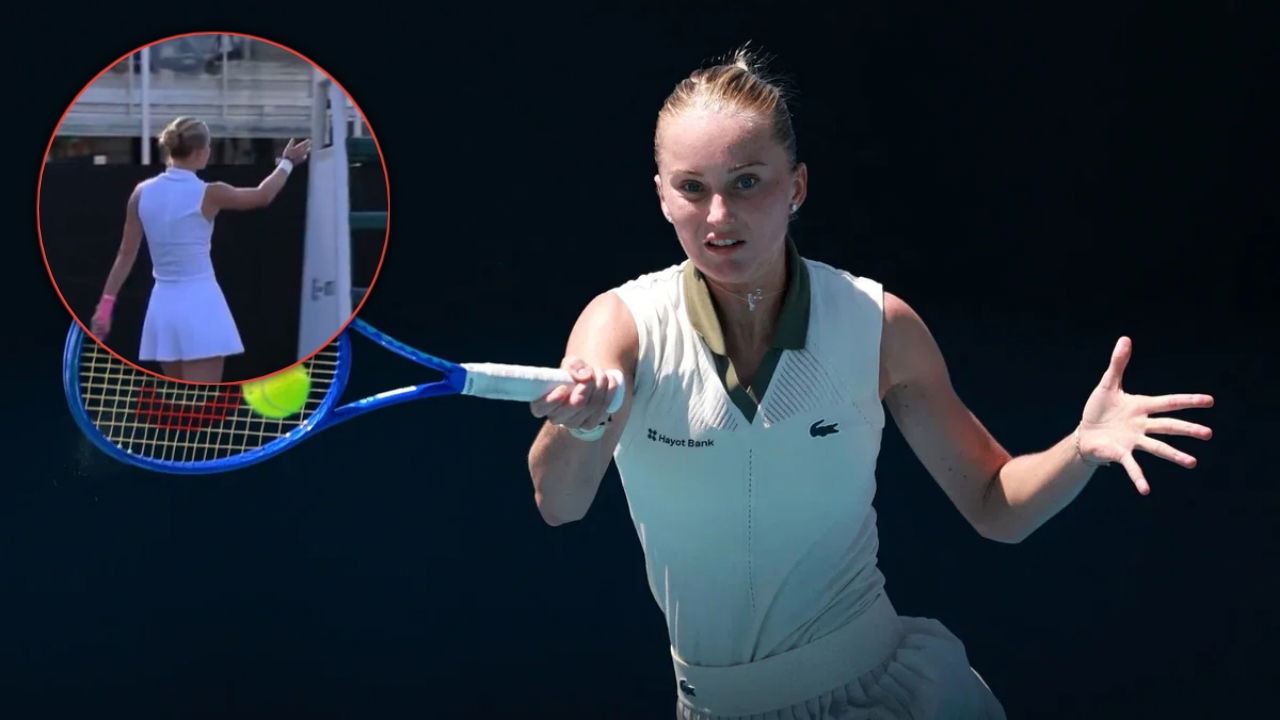
Oleksandra Oliynykova refused a handshake (via X/WTA)
The fans know the post-match handshake is the sacred code of a professional tennis match. It is the moment where two gladiators, covered in clay and exhausted from chasing down drop shots, meet at the net to acknowledge a battle hard-fought. But right now, on the WTA tour, the net has become a geopolitical border. And a shiny new passport doesn’t magically make the tension disappear.
Case in point is the recent Charleston WTA 500. When Polina Kudermetova stepped onto the green clay to face Ukrainian player Oleksandra Oliynykova, the buzz wasn’t about forehands or first-serve percentages.
It was about whether Kudermetova’s brand-new sporting nationality, Uzbekistan, rather than her native Russia, would be enough to earn a traditional handshake from Oliynykova. However, it wasn’t the case.
The Xenophobic Ukrainian Oliynykova refuses to shake the hand of Russian born Polina Kudermetova after losing her match #Raciste pic.twitter.com/O3tkV5NWer
— Nick Ally ✝️ (@nick_ally1986) March 31, 2026
This isn’t the first time the fans have seen this movie. At the Australian Open, organizers had to issue similar warnings before Aryna Sabalenka faced Elina Svitolina. But Kudermetova’s situation adds a fascinating new wrinkle to the tennis world’s ongoing headache.
If players realize they can’t escape the locker-room frostiness by switching federations, will fewer of them attempt the jump? The WTA now finds itself in a bizarre position. They have to govern a sport in which players police each other’s origins, regardless of what the official rulebook or the tournament entry list says.
The match, the screen, and the staredown
Organizers in Charleston are clearly getting tired of the awkward, heavily booed post-match standoffs that have plagued the tour since 2022. So, they decided to get out in front of it.
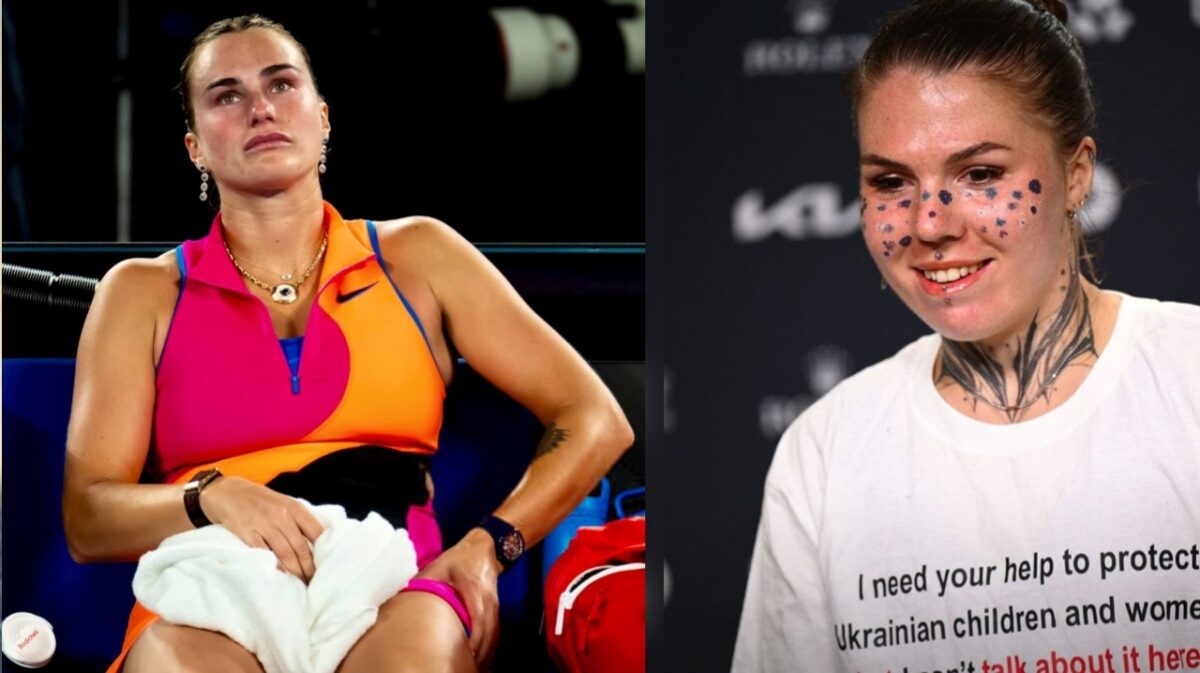
Before Kudermetova and Oliynykova even struck a ball, a massive message flashed on the stadium screen politely informing the South Carolina crowd that there would be no handshake and asking fans to respect both athletes.
It was a pre-emptive strike against the inevitable drama. And frankly, it was a smart move by the tournament directors. Kudermetova ended up winning the first-round tilt in a grinding three-set battle. But when the final ball bounced out of bounds, the scoreline immediately became the least interesting part of the day.
Oliynykova walked to the umpire’s chair, acknowledged the official, and completely bypassed Kudermetova. No handshake. No racket tap. Nothing. For Oliynykova, the newly minted Uzbekistan flag next to her opponent’s name on the scoreboard was just window dressing.
The passport loophole meets reality
Earlier in 2026, Kudermetova decided to switch her sporting nationality to Uzbekistan. On paper, she cited personal and career reasons. In reality, anyone who follows the sport knows that carrying a Russian passport on the global tennis circuit right now is a logistical and public relations nightmare.
A nationality switch seems like a clever workaround. Oliynykova made it abundantly clear that one cannot simply administratively reassign their way out of a war. For Ukrainian players, the devastation back home isn’t an abstract political debate; it is a daily, agonizing reality.
Oliynykova and her compatriots have maintained a strict, unified stance since 2022: no handshakes with players from Russia or Belarus. By refusing the gesture in Charleston, Oliynykova sent a loud message to the locker room; changing the flag on the Wikipedia page doesn’t change where that player came from, and it certainly doesn’t erase the ongoing conflict.
Also Read: Iga Swiatek Lifts Lid on Wim Fissette Breakup Decision: “I Needed a Change”



/techfirstnow/media/agency_attachments/kATjCXskQdJKkXN0OuqW.png)