


Organizers Caught Surprised After Record-Breaking Condom Shortage at Winter Olympics Village
The Olympics started introducing free condoms for athletes in the Seoul Olympics in 1988 amid the HIV/AIDS epidemic.
 Follow Us
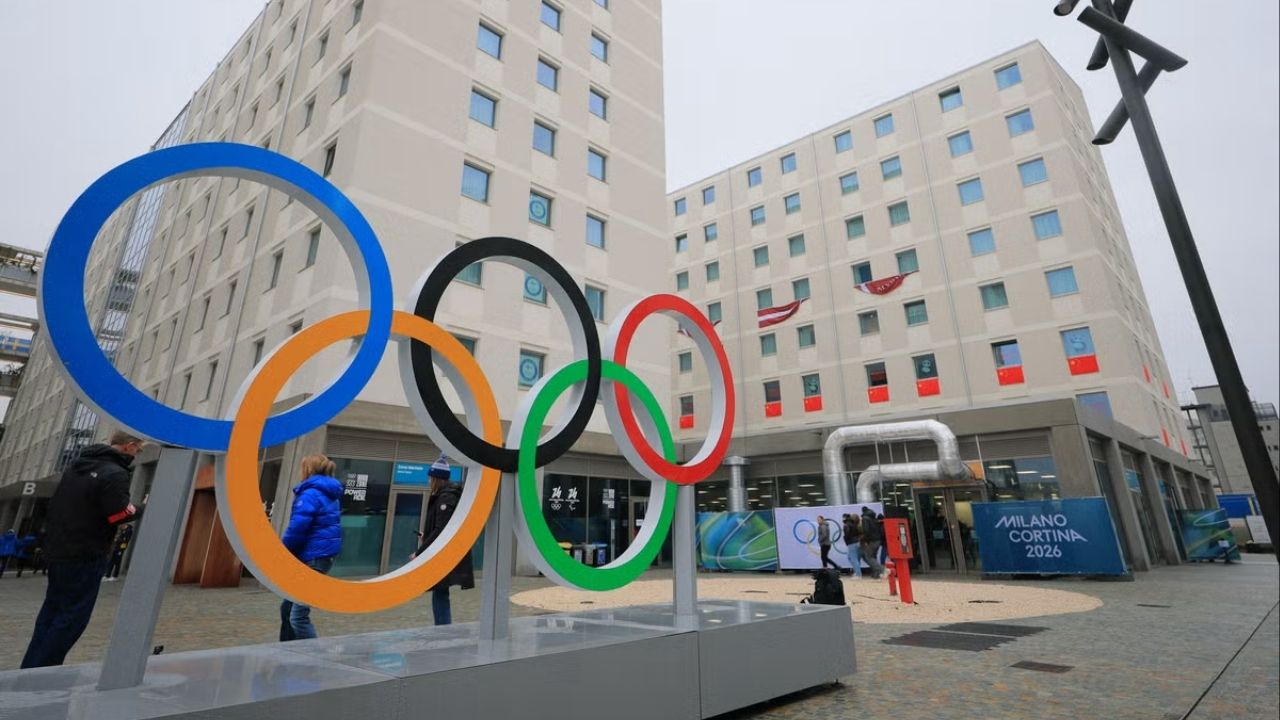
The Games Village in Milan for the Winter Olympics 2026 (Image via Cosmopolitan)
- The Milan Cortina 2024 Olympic Games Village ran out of condoms in just three days.
- Organizers initially planned to distribute 10,000 condoms, significantly fewer than previous Olympics.
- Athletes have been taking condoms as souvenirs, raising concerns about the need for more supplies.
The Milan Cortina 2026 has seen a lot of records broken in its first week, on and off the ice. According to a recent report by the Italian newspaper La Stampa, the Olympic Games Village has run out of condoms in a record-breaking three days.
The International Olympic Committee has distributed condoms since the Seoul Olympics in 1988 to promote sex and raise awareness about sexual health during the height of the AIDS epidemic. Initially, the organizers were planning to test all the athletes for the disease before handing out around 6000 condoms. Earlier that year, in Calgary for the Winter Olympics, pharmacies were stocked, but athletes had to ask for them.
In the Paris Olympics two years ago, the organizers had doled out 300,000 condoms to the athletes in the Games Village. In Rio a decade ago, they distributed a whopping 450,000 condoms from the forest-friendly Brazilian brand Natex.
However, in Milan and Cortina d’Ampezzo, the distribution amount was considerably low. The organizers thought that with three and a half times fewer participants in Paris, 10,000 would suffice. They thought wrong. The fact that the Games Village has been open since January 30, with certain events starting before the opening ceremony on February 6.
In addition to the obvious use of the condoms, several athletes have taken the condoms as souvenirs back home. Reportedly, the Olympic-branded condoms are even passed to friends and family.
Furthermore, the world has evolved more, shying away from and considering intercourse as taboo. Gay and Bi athletes are also more secure than ever during the Olympic Games, with LGBTQ+ dating apps disabling the location feature to avoid accidental outings of the individuals while also allowing them to meet people.
According to an anonymous athlete, they have been told that more will arrive, but they were concerned about the timeline. With more than a week to go until the closing ceremony and many events entering the final stages, the organizers need to act quickly, or they’ll face a huge logistical nightmare.
The Sydney Olympics had a similar condom shortage
In 2000, Ansell Australia, a division of Ansell Healthcare, had 50,000 condoms ready for the Sydney Olympics. In addition to the latex condoms, the company also stocked up educational leaflets and personal lubricant for the athletes, as well as medical gloves for medical personnel at the Olympics.
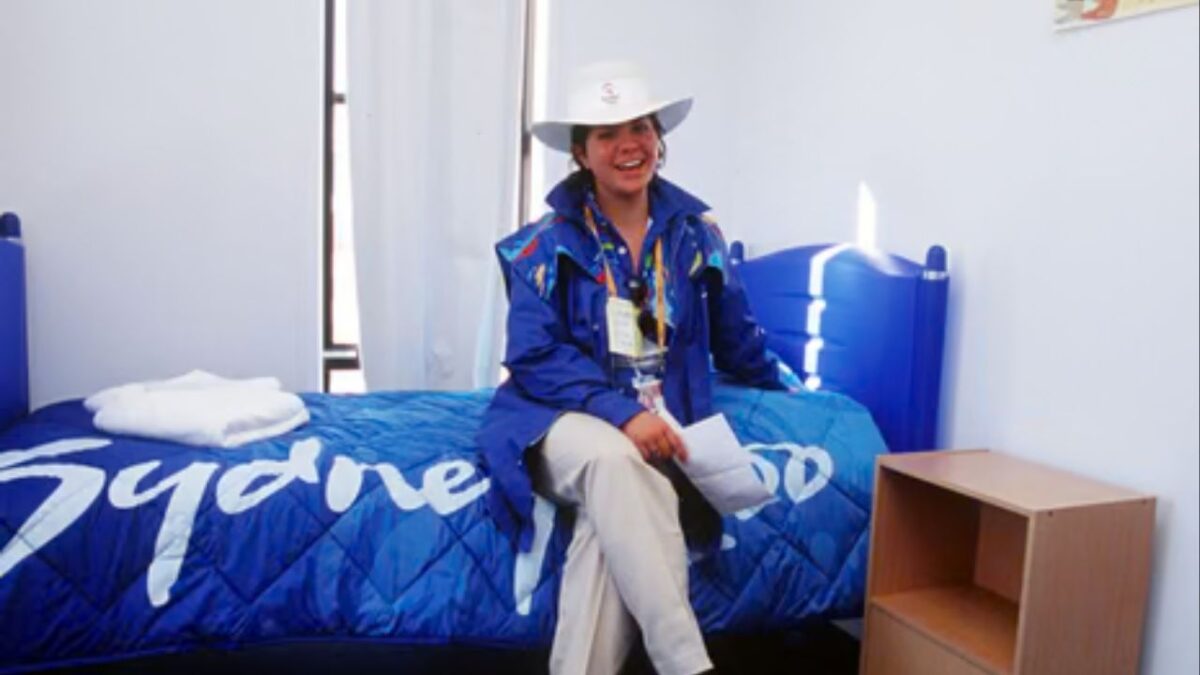
In the late 1990s, the usage of condoms had picked up after the intense awareness campaigns during the HIV/AIDS epidemic, increased sex education in schools, as well as the marketing shift from being viewed as a healthcare necessity to a daily-use lifestyle object.
The growing trend was similarly seen at the Summer Olympics 2000, where the 50,000 condoms provided were over by nine days. The manufacturer luckily had a reserve of 50,000 more condoms ready to go. It did come in handy as the organizers were quickly able to fetch 20,000 additional prophylactics for the athletes.
The manufacturer, who had been handing out condoms outside the stadiums of the New England Patriots and Oakland Raiders to create a target market in a younger age group of 18-35. The initiative to continue the endeavor at the Olympics was driven by the diverse number of athletes in the newly identified target market. Anzell Healthcare’s vice president of marketing, Carl Carrozza, had said prior to the Sydney Olympics:
You’re getting together an extremely diverse population of athletes that are typically in that age group from all over the world, from different lifestyles and different cultures. They’re traveling far distances and engaging in celebratory sort of activities, and this is going to help them protect themselves.
The condoms were handed out by the gross in visible displays included colored condoms, including gold, silver, and bronze ones.
Also Read
- Blue Jays’ John Schneider Supporting Canadian Hockey Team over USA Sparks Mixed Reaction from Fans
- Denmark’s Biathlon Siblings From Greenland Speak Out Against Donald Trump At Winter Olympics



/techfirstnow/media/agency_attachments/kATjCXskQdJKkXN0OuqW.png)