

Stefanos Tsitsipas Redefines His Career Path with a Fresh Long-Term Perspective: “I am a Night Owl”
Stefanos Tsitsipas has played 2 Grand Slam finals in his career.
 Follow Us
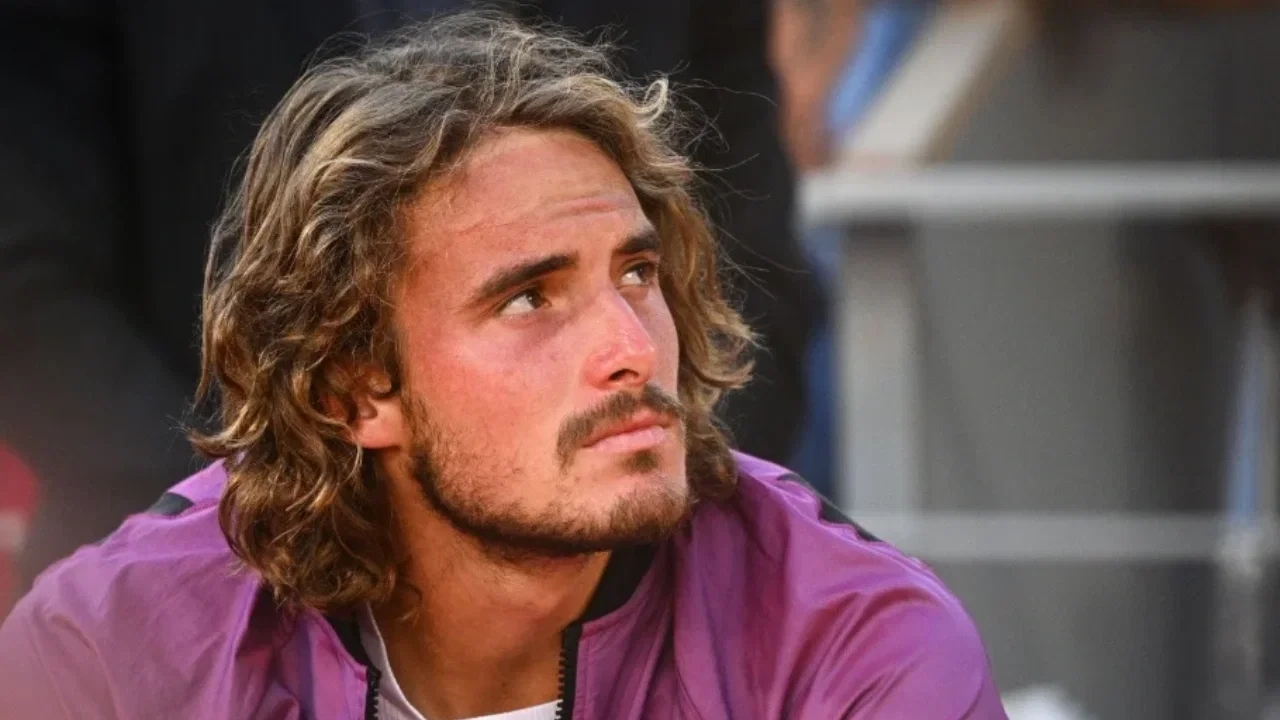
Stefanos Tsitsipas (Image via CLAY)
Stefanos Tsitsipas is reshaping his professional identity by shifting away from short-term panic and embracing a multi-year blueprint for long-term success. Rather than measuring his self-worth by weekly results or single-match outcomes, the Greek star is choosing to build a rock-solid foundation for the future.
The core of this transformation lies in an intense dedication to daily habits and cumulative physical improvement over immediate victories. Tsitsipas has openly acknowledged that his focus is entirely locked onto where his game can be in two, three, or five years rather than stressing over tomorrow’s box score.
By committing to this horizon, he aims to insulate himself from the volatility that often plagues top-tier athletes when pressure peaks. He said in his presser:
We have a long-term vision. The vision is within two, three, four, or five years. It’s not about whether you are going to win tomorrow or next week. That’s not what matters most to me. I would like to see that mindset of: “We are training for something bigger in one or two years.” And we are constantly pursuing that big improvement that, in the end, will bear fruit. I have started going to bed earlier. I am a night owl; I always have been. I feel I find peace and relaxation later at night when everyone is sleeping. And my biggest inspirations and my best moments always came very late. So I have changed that version of myself and have become more of a morning person.
This psychological and lifestyle pivot serves as a clear acknowledgment that raw talent alone is no longer enough to conquer a grueling global tour. Observers close to the player note that trading late-night isolation for structured morning routines has brought a sense of calm maturity to his game. Ultimately, this deliberate lifestyle design aims to produce a more resilient competitor capable of sustaining peak output under extreme duress.
Chasing momentum through a strategic wildcard
To test these new behavioral habits in a competitive arena, Stefanos Tsitsipas made the tactical choice to accept a late wildcard into the ATP 250 event in Winston-Salem. Following a disappointing North American hard-court swing that included early exits in both Montreal and Cincinnati, the former world number three recognized an urgent need for live match reps.

Dropping down to a pre-Grand Slam tune-up event underscores a refreshing willingness to grind for victories instead of relying solely on ranking status or historical prestige. Instead of taking a standard week of quiet practice on the tournament grounds, he opted for high-stakes pressure to evaluate his physical readiness.
Entering the tournament as one of the top seeds puts a target on his back, transforming every single match into a litmus test for his restructured morning routines. Facing hungry opponents on outdoor hard courts forces him to stay locked into small tactical details rather than drifting mentally during tight moments.
This proactive scheduling maneuver highlights an athlete actively taking control of his narrative rather than passively waiting for form to return. A successful week in North Carolina would instantly validate his updated lifestyle habits, while any early stumble would simply provide more data points for his long-term developmental roadmap.
Preparing for the ultimate test at Flushing Meadows
With the Winston-Salem matches serving as a vital runway, all eyes now turn toward how this renewed mindset translates onto the grand stage of the US Open. New York has historically presented unique, chaotic elements for players searching for rhythm, making early-round composure an absolute necessity.

Tsitsipas enters the final major of the season sitting in the middle tier of the ATP rankings, a stark contrast to his past status as a locked-in top-four fixture. Yet, this adjusted positioning removes some external spotlight, allowing him to quietly execute his long-term vision away from the deafening noise of media favoritism.
His previous struggles on North American hard courts served as a wake-up call, proving that minor lapses in focus get brutally punished at the major championship level. By addressing these flaws through rigorous daily discipline and extra tournament reps, he is attempting to rewrite his Flushing Meadows script.
As the opening rounds in New York approach, Tsitsipas remains focused on the bigger picture rather than immediate glory. How he manages the fortnight’s physical and mental demands will determine whether his new daily habits can finally unlock his ultimate Grand Slam potential.
Fahad Hamid
(1769 Articles Published)