

Toni Nadal Calls for a Change in Modern Tennis Equipment: “I Would Reduce the Size of the Rackets”
Toni Nadal is one of the greatest tennis coaches of all time.
 Follow Us
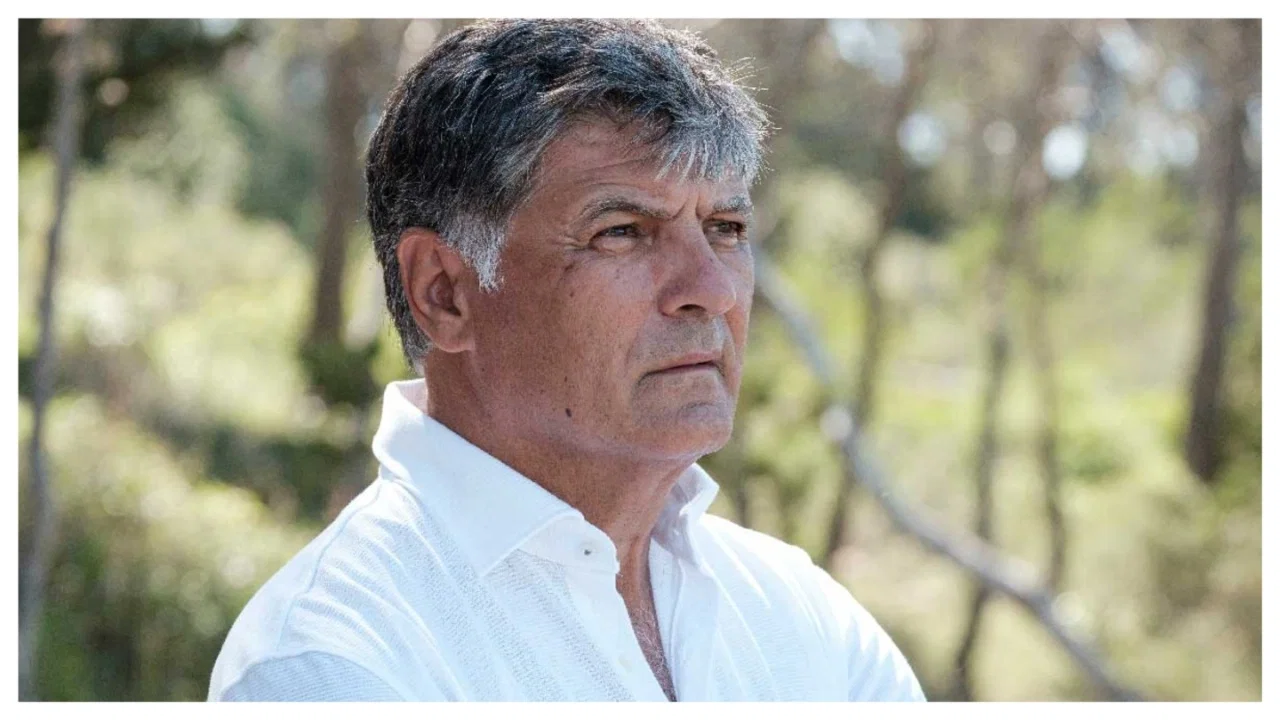
Toni Nadal (via IMAGO)
Toni Nadal has publicly advocated for a significant technological rollback in professional tennis to address the overwhelming dominance of brute power. The veteran coach believes the sport’s current state suffers from excessive ball speeds and a lack of varied strategic construction.
By focusing on structural modifications rather than just calendar adjustments, he aims to force a foundational shift in how matches are played. His primary proposal centers on reducing the physical dimensions of tennis rackets to curtail the sheer velocity generated by modern competitors. He told Euronews:
There is something that, for me, must change in the world of tennis. I would reduce the size of the rackets. Before, you had to prepare a point, figure out how to win it, think about where you are going to send the ball, and come to the net to finish it. Now you can be two meters behind the baseline, swing your arm, and win it.
According to Toni Nadal, the constant escalation in ball speed transforms baseline exchanges into violent contests of sheer force rather than tactical masterclasses. He argues that leaders in the sport must step outside their comfort zones and enact rules that curb this dependency on heavy hitting.
Esto de Toni Nadal. Nada más que añadir. ¡Creó un jugador que era un auténtico robot!. pic.twitter.com/pH1SE8OERY
— Richi González Dávila (@RichiGDavila) January 1, 2026
Smaller equipment specifications would immediately reduce shot velocity, making it harder for professionals to rely exclusively on unreturnable power. Consequently, this alteration would reintroduce technical nuances that reward placement, touch, and court awareness over sheer athletic muscle.
The veteran mentor insists that the current epidemic of physical injuries is directly tied to the relentless intensity and violence of modern movement patterns. Players are forced to accelerate explosively, brake violently, and sprint across surfaces at speeds that push human joints to their absolute limits.
Generational contrast and physical diagnosis
The tactical landscape of modern tennis has shifted dramatically away from the patient point-construction once championed by players like Guillermo Coria, Gastón Gaudio, and David Nalbandian. Toni Nadal emphasizes that historical generations utilized intricate spins, angles, and clever positioning to outsmart opponents rather than simply trying to blast winners past them.
Today’s circuit prioritizes overwhelming power from the very first strike, often rendering traditional baseline chess matches obsolete. He added:
Nowadays, players are two years in their best historical position and then they collapse. I believe they lose the motivation to fight for every match they play. When I used to watch Tsitsipas before, he seemed fabulous to me; he was at a very high level after winning the ATP Finals and reaching the final in Paris, but I think he then lost his confidence and motivation. Rublev, for example, is also far from his best version; Zverev as well. Ferru would lose against the very good players, against the Big Three, but he wouldn’t lose against the #100 in the world. That, today, happens a lot.
The former coach’s diagnosis highlights that tennis is unique in that every point begins with an aggressive penalty: a high-velocity serve. When a serve travels past statutory return limits, the natural flow of a competitive rally is cut short before players can even apply strategy. Modern athletes are bigger, stronger, and backed by advanced conditioning, which amplifies this issue to unsustainable levels.
Toni Nadal points out that governing bodies are often hesitant to alienate top-tier professionals by implementing restrictive equipment rules. However, failing to address the root causes of rapid ball travel ensures that matches will continue to become more physically punishing and homogeneous. Other major sports routinely alter dimensions, goal sizes, or regulations to protect the integrity of their spectacle, yet tennis remains stubbornly attached to outdated racket standards.
The physical toll of this power-first paradigm is visible in the mounting physical breakdowns observed across both the ATP and WTA tours. Athletes are running themselves into the ground not merely because of the volume of tournaments, but due to the sheer violence required to survive a modern baseline exchange. Reducing racket dimensions is a direct corrective measure to safeguard athletes while restoring visual aesthetics and variety to the sport.
Carlos Alcaraz’s historic US Open defeat to Ben Shelton
Carlos Alcaraz suffered a stunning defeat to American 8th seed Ben Shelton in a punishing five-set quarterfinal thriller at the US Open. Shelton clinched the victory with a tense final-set tiebreak score of 7-6 (10-7) after four and a half hours of grueling baseline combat. The loss snapped Alcaraz’s impressive 18-match winning streak across Grand Slam tournament appearances.
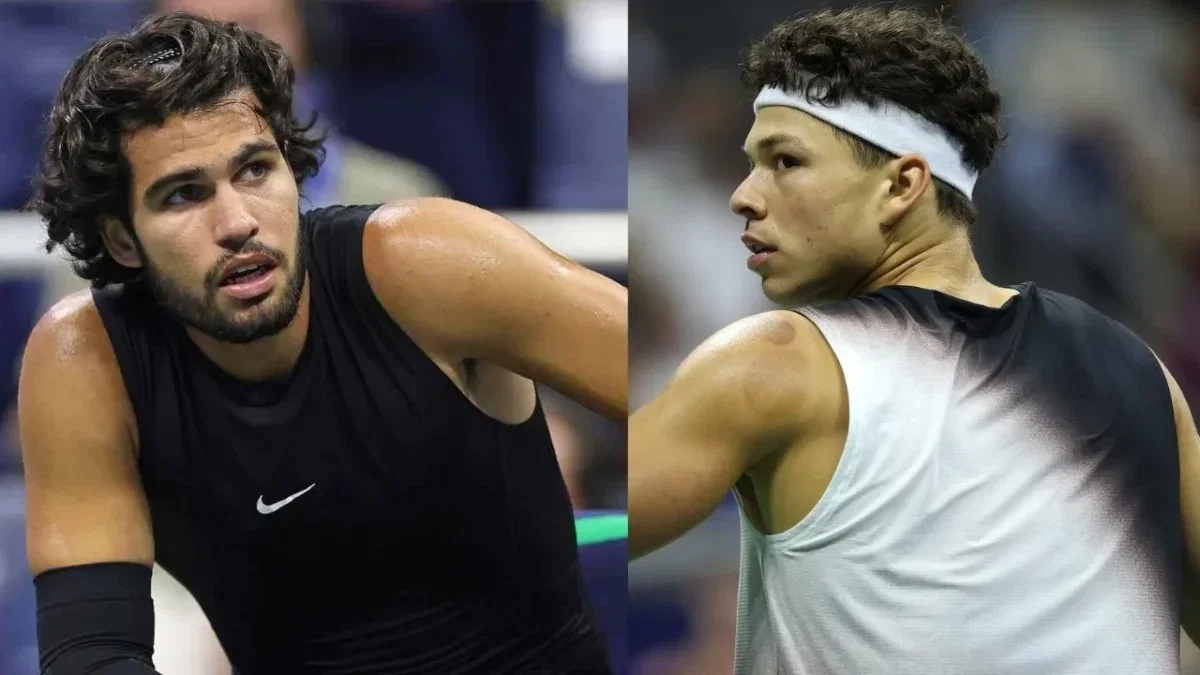
The conclusion of the match arrived at 3:33 a.m. local time, officially marking the latest-finishing contest in the entire history of the US Open. Arthur Ashe Stadium was reduced to roughly one-third capacity as the marathon clash stretched far into the early hours of Wednesday morning. Broadcasters John McEnroe and Chris Fowler guided viewers through the historic closing stages while spectators dealt with extreme sleep deprivation.
This chaotic finish compounded a wider tournament trend that saw multiple high-profile matches stretch well past midnight and 2 a.m. throughout the fortnight. Critics pointed out that scheduling marquee encounters so late alienates younger demographics and casual fans who cannot afford to stay awake until dawn. Despite the magnificent shot-making displayed by both Alcaraz and Shelton, the historic nature of the late-night battle was largely muted by the untenable scheduling.
Shelton advanced to an all-American semifinal showdown against Frances Tiafoe following the victory, guaranteeing a home-country finalist. Meanwhile, the tournament organizers faced intense scrutiny regarding their match placement strategies and court rotation policies. The grueling nature of the contest underscored the precise physical and logistical scheduling crises facing modern elite tennis.
Fahad Hamid
(1769 Articles Published)