


Ukrainian Skeleton Racer Vladyslav Heraskevych’s Tribute to Fallen Athletes Sparks Ban From IOC
Vladyslav Heraskevych, a medal hopeful for Ukraine, was the first skeleton racer from the country and made his debut in PyeongChang.
 Follow Us
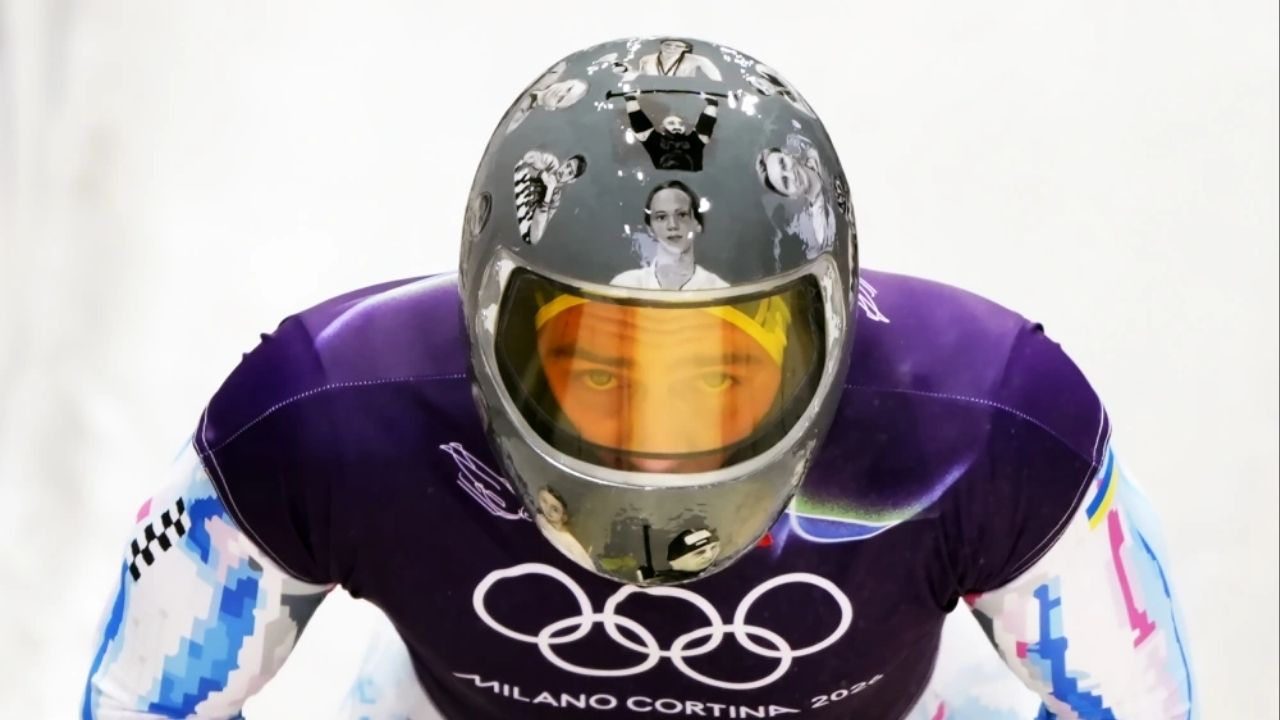
Vladyslav Heraskevych (Images via NBC News)
- Ukrainian skeleton racer Vladyslav Heraskevych planned to wear a helmet honoring fallen athletes from the war in Ukraine.
- The IOC banned the helmet, citing violations of Olympic Charter guidelines, but allowed Heraskevych to wear a black armband instead.
- Heraskevych expressed frustration with the IOC's decision, feeling it betrayed the memory of athletes lost in the conflict.
The world, as everyone knows it, has become heavily politically charged with the rise of identity politics and heightened global crises amplified by social media. Amid the global tensions, Milan Cortina 2026 has become a center stage for sports activism.
The Ukrainian skeleton racer, Vladyslav Heraskevych, reportedly was planning to don a helmet with the pictures of fallen athletes in Russia’s invasion of Ukraine. According to the racer, the helmet had images of figure skater Dmytro Sharpar, who was his teammate at the 2016 Youth Olympic Games, boxer Maksym Halinichev, among others, killed during the war. Some of the featured individuals have been Olympians as well.
He had worn this “helmet of remembrance” during the training runs at Cortina Sliding Centre, including one today. However, he won’t be allowed to do so from today, which includes the official races that start tomorrow.
Earlier on Tuesday, the Ukrainian Olympic Committee asked the International Olympic Committee to allow Heraskevych to represent the country and wear the helmet while doing so. They held that the helmet fully complied with the IOC rules, since it had no advertorial content, any political slogans or discriminatory messages or visuals, and was confirmed to have met the established standards during the official training runs.
The IOC has since conducted a meeting with the Ukrainian skeleton racers’ coach and delegation before announcing that the helmet contravened the Olympic Charter guidelines. They added that they understood the need of an athlete to remember their fallen colleagues and teammates and would allow Heraskevych to wear a black armband as a compromise. IOC spokesman Mark Adams told during a news conference:
We have to concentrate on the athletes’ performance and sport on the field of play, and it’s fundamental that they are equal rights for all athletes, and that Games need to be separated, not just from political and religious but from all types of interference.
⚡️ IOC on banning Heraskevych's helmet, memorializing Ukrainian athletes killed by Russia: “The Games need to be separated not just from political and religious, but from all types of interference.”pic.twitter.com/HtAQrsupAy
— UNITED24 Media (@United24media) February 10, 2026
Vladyshev Herakevych admitted frustration and disappointment with the IOC’s decision
In a video, Vladyshev Herakevych put his pain into words about the International Olympic Committee’s decision. He said that he had expected a “fair, final decision.“
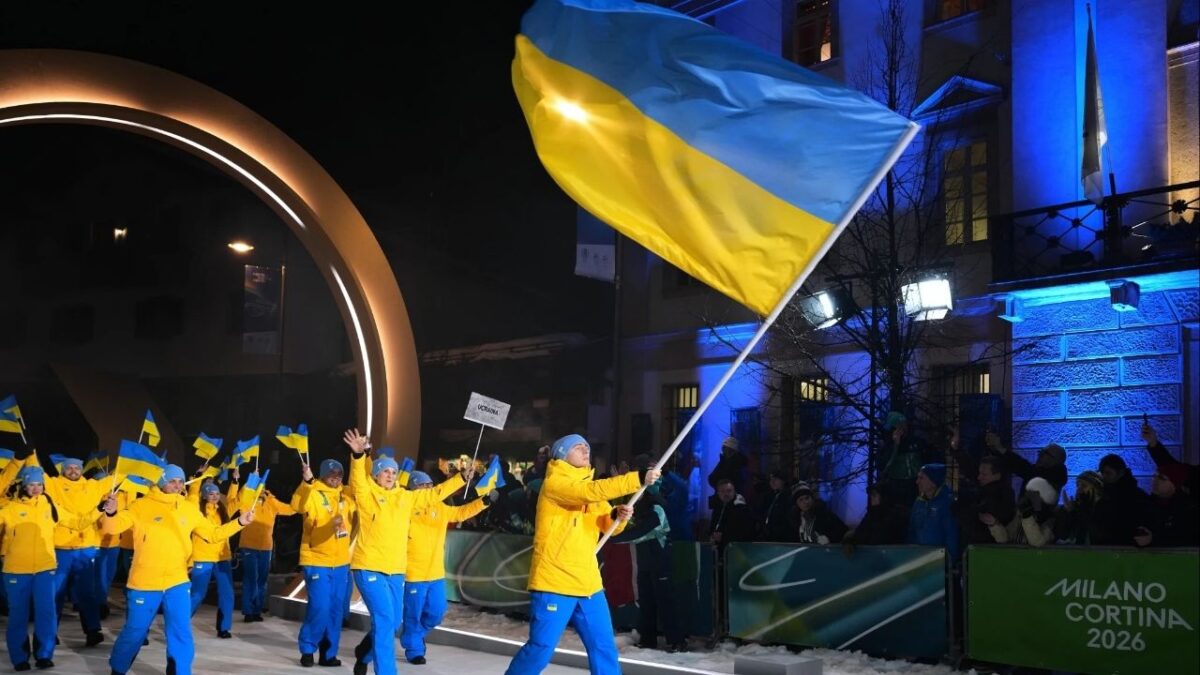
The heartbreaking decision, according to Herakevych, was a betrayal by the organization towards the athletes who were once part of the Olympic program. He added that the IOC was “not allowing them to be honored on the sports arena where these athletes will never be able to step again.”
In another pointed message on X, he questioned the IOC’s actions further. He quoted that the organization has changed drastically in the past four years. He also accused that they haven’t taken any action against the numerous Russian flags on the stands or on one of the athletes’ helmets.
Roland Fischnaller of Italy had the Russian flag on his helmet, denoting the previous Olympics he had attended. The snowboarder made his debut in 2002 in Salt Lake City, and Milan Cortina would be his seventh Winter Olympics. However, according to current rules, the IOC doesn’t allow for any display of Russian symbols after they violated the Olympic Truce.
He didn’t quite understand why a violation wasn’t slapped on that, but on his. He added that the truth was on his side.
4 years ago at the 2022 Olympic Games.
— Vladyslav Heraskevych OLY (@heraskevych) February 10, 2026
Unfortunately, over these years this call for peace has only become even more relevant.
Also over these 4 years, the IOC has changed dramatically. Back then, in that action, they saw a call for peace and did not apply any sanctions against… pic.twitter.com/1w9nvmtIzF
Since the beginning of the war, according to a speech by Ukrainian foreign affairs minister Andrii Sybiha, ahead of the opening ceremony, more than 650 Ukrainian athletes and coaches have lost their lives in the battle. Furthermore, at least 800 sports facilities have reportedly been damaged in the attacks. Additionally, some athletes have joined the armed forces to help the country, while others have loved ones in the force.
Also Read
- Mathilde Gremaud’s Victory Lap with Swiss Flag As A Superhero Cape Goes Instantly Viral
- US Skier Hunter Hess Faces Right-Wing Backlash for His “Woke” Anti-ICE Stance in Winter Olympics



/techfirstnow/media/agency_attachments/kATjCXskQdJKkXN0OuqW.png)