

Iga Swiatek Calls for Direct Prize Money Negotiations Ahead of Roland Garros Amid Grand Slam Boycott Talks
Iga Swiatek is seeking her first WTA title of the season.
 Follow Us
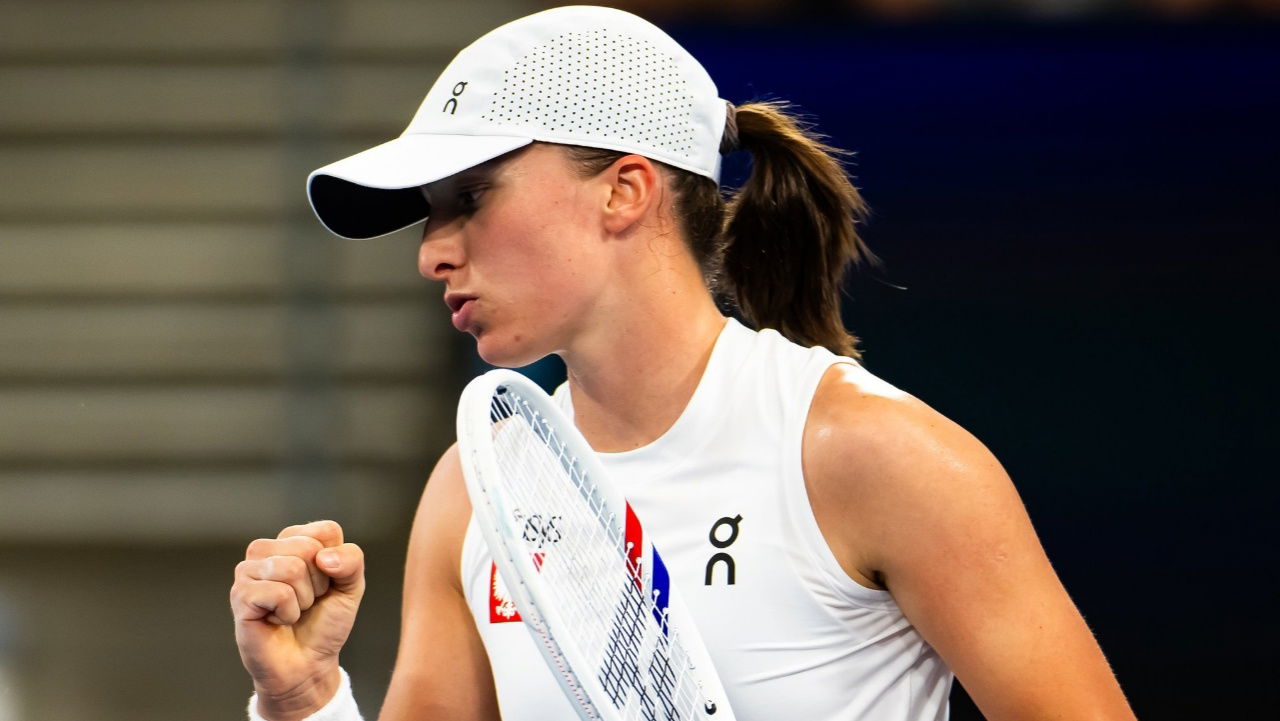
Iga Swiatek (Image via X/United Cup)
- Iga Swiatek is leading calls for direct negotiations on prize money distribution ahead of Roland Garros.
- Players are frustrated as their share of revenue from the tournament has decreased despite rising overall earnings.
- A coalition of top players demands structural changes and better representation in decision-making processes for Grand Slam events.
Top-tier tennis professionals have drawn a firm line in the sand regarding Grand Slam compensation ahead of the French Open. Now, world No. 3 Iga Swiatek is spearheading a push for direct negotiations over declining revenue shares.
Despite Roland Garros recently announcing a prize money bump for the upcoming tournament, players are openly criticizing the financial structure. The core of the frustration stems from the fact that while overall revenue for the Paris major continues to climb at record rates, the actual percentage of that revenue making its way into the players’ pockets is steadily shrinking. Swiatek said in her press conference:
Yeah, I think we’ve been pretty reasonable in terms of our proposal and getting the fair share of revenue. I think the ‘increase of prize money’ is not exactly, you know, what we wanted because the percentage of revenue is going down. I don’t know if I’m explaining that well in English. I’m sorry. I think the most important thing honestly is to have like proper communication and discussions with the governing bodies so we have some space to talk and maybe negotiate. Hopefully, before Roland Garros, there’s going to be an opportunity to have these types of meetings, and we’ll see how they go.
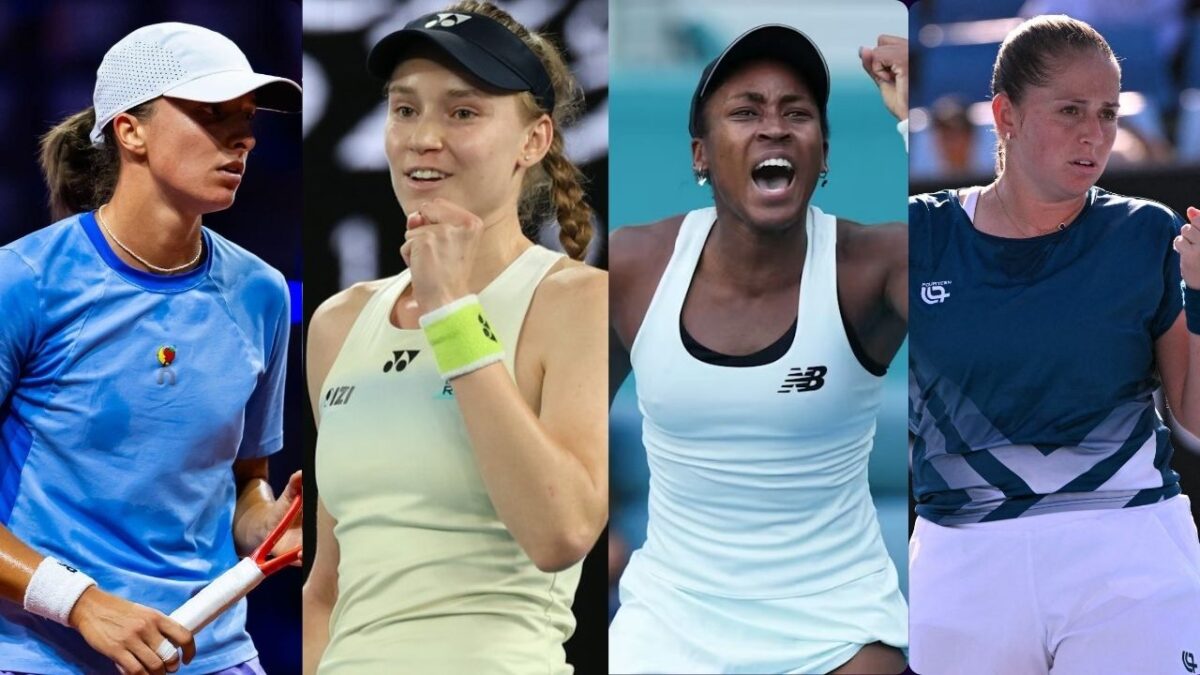
The growing tension reached a public boiling point earlier this week when a coalition of high-profile competitors released a detailed joint statement outlining their grievance. Swiatek, along with Novak Djokovic, Aryna Sabalenka, and Coco Gauff, is actively demanding structural changes to how the tournament distributes its massive earnings.
Swiatek also has performance issues so far in 2026, as she is yet to make a WTA Final this year, let alone win a title. This is similar to last year, where she went on a seven-month title drought for the season before winning at Wimbledon.
The revenue disconnect
The financial dispute centers around a clear mathematical disconnect between tournament growth and player compensation. Roland Garros generated €395 million in revenue last year, marking a massive 14 percent year-on-year increase.
However, the prize money pool only saw a 5.4 percent bump during that same window. Speaking to the media ahead of the Italian Open in Rome, Iga Swiatek addressed the financial friction head-on, making it clear that the players understand exactly how the math works against them.
That discrepancy effectively reduced the players’ share of the tournament’s revenue to just 14.3 percent. With estimated revenues expected to easily eclipse the €400 million mark for this year’s event, athletes are staring down a reality where their financial cut will likely remain safely below the 15 percent threshold.
This falls significantly short of the 22 percent revenue share that players have formally requested. That 22 percent figure is not an arbitrary number pulled from thin air; it is the established benchmark required to bring the four Grand Slams in line with the compensation standards already practiced by the ATP and WTA tours at their 1000-level events.
Roland Garros officials attempted to get ahead of the unrest by announcing a 9.5 percent overall pay rise for the upcoming tournament, ensuring both the men’s and women’s singles champions will take home €2.8 million each. But for the athletes stepping onto the Parisian clay, a flat increase to the winner’s check completely misses the point of their collective bargaining efforts.
The underlying structural issues
The financial dispute is ultimately a symptom of a much larger, systemic problem within the sport: a complete lack of player representation at the highest levels of Grand Slam decision-making. The joint statement authored by the players explicitly called out the French Open for failing to address the structural issues that athletes have consistently raised over the past calendar year.
Last year, nearly all the leading players signed multiple letters directed at the four Grand Slam bosses. Those letters did not just ask for bigger checks; they demanded comprehensive payments into a player welfare fund to dramatically improve retirement and maternity benefits.
More importantly, the players demanded a seat at the table. They requested a formal mechanism for player consultation when major decisions are being made regarding the operations of the sport’s four biggest events. According to the athletes, those requests have been met with total silence.
For players grinding through the grueling 11-month tennis calendar, the Grand Slams represent both the pinnacle of the sport’s prestige and the apex of its profitability. When Roland Garros posts record revenues while simultaneously shutting the players out of the boardroom, it breeds a level of resentment that cannot be solved by simply adding a few hundred thousand euros to the champion’s payout.
Swiatek noted that the locker room has been highly organized in recent years, with frequent discussions among the top-20 players on tour-wide issues ranging from prize money distribution to geopolitical crises such as the war in Ukraine. The athletes are organized, they understand their value, and they are no longer willing to accept whatever financial terms the major tournaments dictate from the top down.
Fahad Hamid
(1769 Articles Published)