

Jannik Sinner Overhauls Wimbledon Preparations to Defeat the Heat: “We’ve Made Changes”
Jannik Sinner is eyeing a second Wimbledon title this summer.
 Follow Us
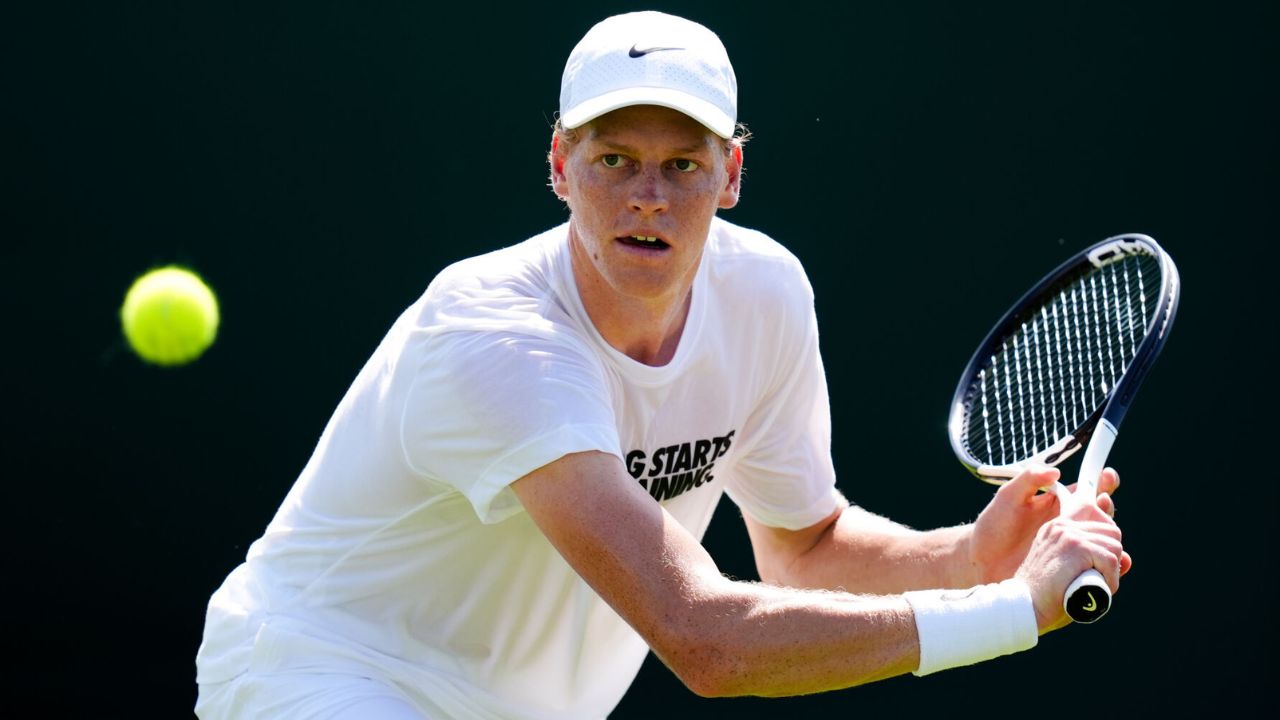
Jannik Sinner (Image via The Star Democrat)
The reigning Wimbledon champion Jannik Sinner has completely overhauled his physical conditioning strategy ahead of his title defense at the All England Club, implementing grueling, non-stop training blocks designed specifically to combat extreme weather conditions.
Following a heartbreaking structural collapse at the French Open, where severe heat-induced cramps cost him a commanding two-set lead, Sinner and his coaching staff chose not to panic but to adapt.
Sinner confirmed that his camp has carefully modified its daily training philosophy to address these specific climate-related vulnerabilities. The report details how a recent record-breaking heatwave across Great Britain has pushed weather safety to the absolute forefront of tournament discussions. Sinner said in his Wimbledon press conference:
We’ve made changes, not big ones but small details. We are happy with what we are doing. We’re not going to see the results here, it’s a long process. I feel prepared. We’ve changed the physical work a bit, we’re doing longer traning sessions both in the gym and on the court, all together without breaks. We did it to understand a lot of things, maybe what I had felt on court.
This tactical pivot could not arrive at a more critical juncture for the world’s top-ranked player. Tennis is locked in an escalating battle against rising global temperatures, and the physical toll on elite athletes has transformed from an occasional hazard into a defining competitive variable.
Jannik Sinner on if he changed anything to prepare for the heat
— jannik sinner files (@jannik_files) June 27, 2026
🦊 "We've made changes, not big ones but small details. We are happy with what we are doing. We're not going to see the results here, it's a long process. I feel prepared. We've changed the physical work a bit,… pic.twitter.com/OfA1jQpYGu
By openly restructuring his routine to replicate the claustrophobic, relentless exhaustion of a five-set match in a heatwave, Sinner is attempting to eliminate his primary vulnerability before stepping onto the grass. The adjustment is as much a psychological statement as a physical one, signaling to the rest of the locker room that the World No.1 has analyzed his failure in Paris and engineered a direct solution.
The psychological scars of the French Open collapse
To understand why this radical shift in training was necessary, one must look back at the agonizing scene that unfolded in Paris just weeks ago. Jannik Sinner was playing flawless, authoritative tennis, cruising with a two-set advantage and looking entirely destined for the final. Then, the European heatwave struck. As the courts baked and the humidity rose, the pristine biomechanics of Sinner’s game began to fray.
What began as minor tightness quickly escalated into severe, full-body cramping. The fluid movement that defines his baseline dominance disappeared, replaced by heavy, agonizing strides. His opponent capitalized on the sudden physical decline, storming back to snatch a victory that left Sinner’s camp searching for immediate answers. The loss was a stark reminder that even the cleanest ball-striker in the world can be completely neutralized if the biological engine overheats.
Historically, Sinner’s leaner, lanky frame has required precise management to carry the heavy muscular load required for modern, brutal baseline tennis. Earlier in his career, endurance over five grueling sets on slow surfaces was an ongoing developmental project. While he conquered those doubts by capturing major hardware and ascending to the absolute pinnacle of the ATP rankings, the collapse in Paris exposed a lingering vulnerability.
Confronting the reality of a warmer Tennis calendar
Sinner’s adaptation reflects a broader, macro-level shift that professional tennis players are forced to confront as summer tournaments grow increasingly brutal. The traditional grass-court season, once celebrated for crisp afternoon breezes and moderate British summers, has frequently seen temperatures spike well into the nineties, turning the historic courts into high-heat chambers.
The data support the necessity of this evolution. Across all four Grand Slams, medical retirements and trainer interventions for heat illness, cramping, and dehydration have climbed noticeably over the last decade.
Players can no longer rely solely on talent or basic cardiovascular fitness; structural heat tolerance has become a standalone metric that sports science departments must actively train for. Sinner’s willingness to lean into the discomfort of continuous, break-free sessions shows an acute awareness that the elements can be just as formidable an opponent as anyone standing across the net.
The true test of this grueling physical transformation begins immediately on Monday on the pristine lawns of the All England Club. Sinner will officially launch his title defense in an opening-round blockbuster against the dangerous Miomir Kecmanovic.
The Serbian challenger possesses a flat, heavy baseline game that makes anyone work for every single point, meaning Sinner’s newly minted endurance metrics will be put to the sword from the very first ball.
Also Read: Emma Raducanu Told What She Must Do To Be Able To Win Another Grand Slam on Tour
Fahad Hamid
(1769 Articles Published)