

Jannik Sinner Claims the Heat During his Wimbledon Quarterfinal Was Similar to Roland Garros
Jannik Sinner is 2 wins away from defending his Wimbledon crown.
 Follow Us
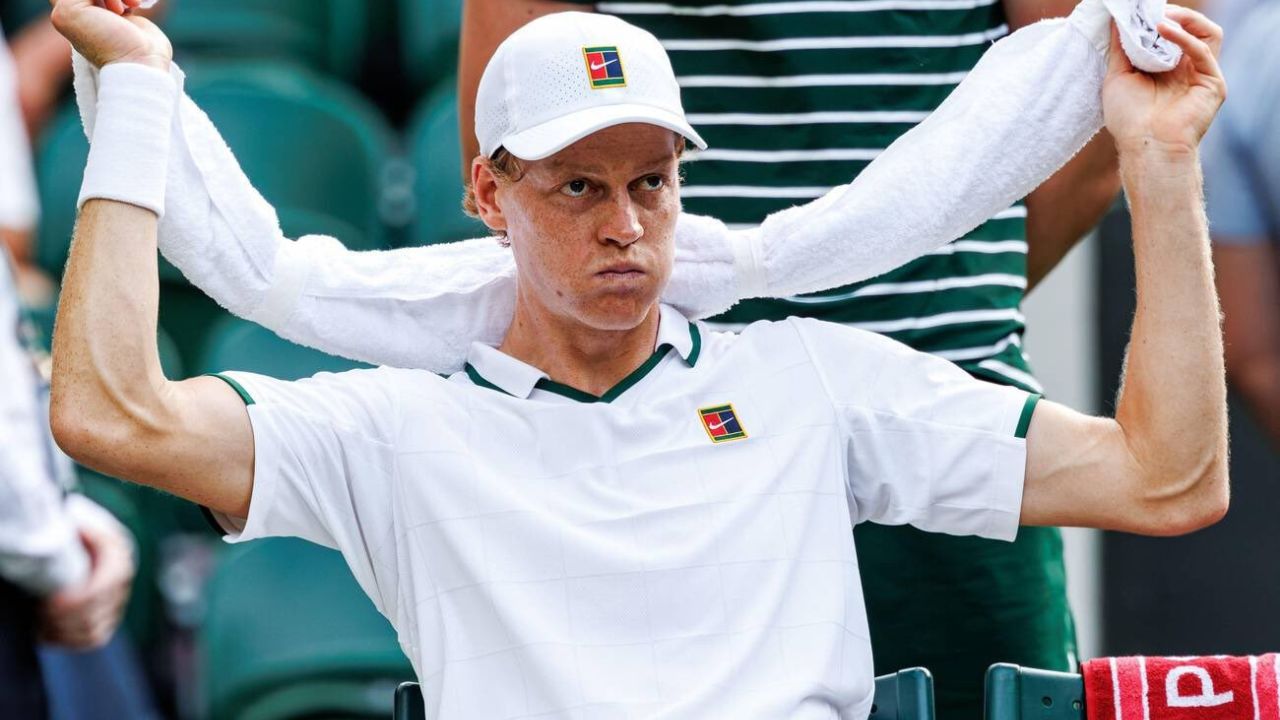
Jannik Sinner (Image via X/Janniksin HQ)
World No. 1 Jannik Sinner secured a massive milestone in his grass-court campaign ahead of the tournament’s final weekend, with his clinical straight-sets victory over Germany’s Jan-Lennard Struff to lock in a coveted spot in the Wimbledon semifinals.
The Italian superstar dealt with rising temperatures and a highly aggressive opponent on the lawns of SW19, proving that his game remains completely unflappable regardless of the weather conditions or the heavy hitting coming from across the net.
Sinner expressed high satisfaction with how his body handled the conditions, drawing unique comparisons between the London heat and his past experiences on the red clay of Paris. When questioned about how the scorching conditions affected his performance on the court, Sinner offered a fascinating, analytical breakdown of how elite players perceive heat across different continents and on different surfaces.
It felt okay. I mean, it was warm but nothing crazy so… in Australia I feel like it’s tougher because also on the surface you’re playing. On hard court it comes also from underneath. It was quite dry today, which is a big difference from when it’s humid and warm, it’s different again. I felt quite comfortable today. It was warm, yes. It was similar I feel like to Paris maybe. But yeah, it was okay.
This technical perspective highlights why Sinner has excelled on all three surfaces over the last year. The physical sensation of competing under the Australian sun means dealing with heat radiating intensely from the acrylic hard court surface right back up at the player’s sneakers, creating an oven-like environment.
Jannik Sinner says the heat for his match against Struff at Wimbledon felt similar to how it felt at Roland Garros
— The Tennis Letter (@TheTennisLetter) July 7, 2026
“It’s kinda hot out there today. Does the heat feel different here than it did in Paris and Australia?”
Jannik: “It felt okay. I mean, it was warm but nothing… pic.twitter.com/fxkASznGGS
Conversely, dry heat on grass, much like the dry summer days at Roland Garros, allows for cleaner breathing and prevents the heavy, suffocating humidity that drains an athlete’s energy stores during long rallies. Sinner’s ability to remain comfortable while others struggle with fluid loss and fatigue is a testament to his elite physical conditioning program.
Dissecting the on-court masterclass against Struff
The match itself was a showcase of pure execution from the top seed, who refused to let Struff dictate the tempo of the points. From the opening game, Jannik Sinner focused heavily on his return placement, absorbing the German’s 130-mph serves and chipping them deep into the court to neutralize any immediate net rushes.
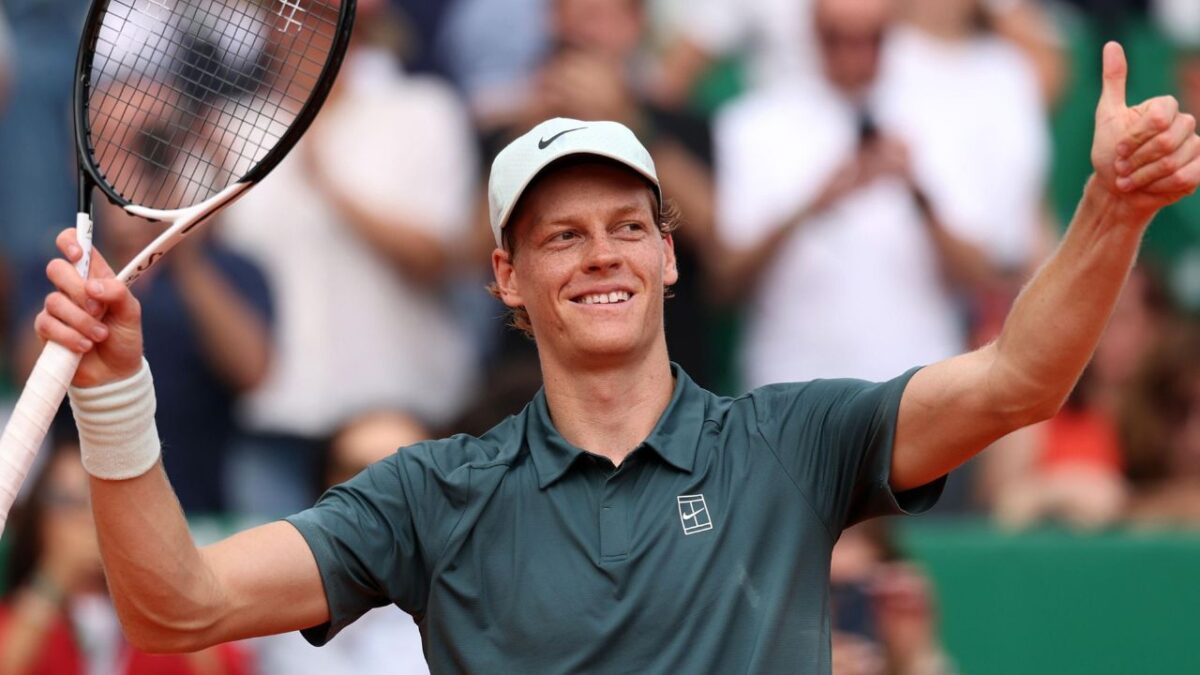
Sinner connected on 71% of his first serves, preventing Struff from finding any rhythm on the return. The Italian capitalized on three of his five break-point opportunities, demonstrating elite efficiency when it mattered most.
Sinner committed just 12 unforced errors across three high-intensity sets, suffocating his opponent with mistake-free tennis. While traditionally a baseline player, Sinner won 14 out of 18 approaches at the net, showing off his vastly improved forward movement.
Struff tried everything in his power to throw the world number one off balance, utilizing heavy slice serves and frequent serve-and-volley tactics to shorten the points. However, Sinner’s phenomenal lateral movement allowed him to slide into defensive positions on the grass and fire passing shots past the outstretched racquet of the German.
The sheer emotional weight of the victory was evident in Sinner’s post-match celebration, as he let out a roar toward his box, recognizing the hurdle he had just successfully cleared.
The broader implications for the Wimbledon draw
With this latest victory, Jannik Sinner is firmly on a collision course with tennis history. His evolution on grass over the past three seasons has transformed him from a player who openly questioned his own movement on the slippery surface into an absolute virtuoso of the lawns.
Tennis analysts are already drawing parallels between his current run and the legendary campaigns of past greats who successfully made the transition from clay-court mastery to grass-court supremacy in the same calendar year.
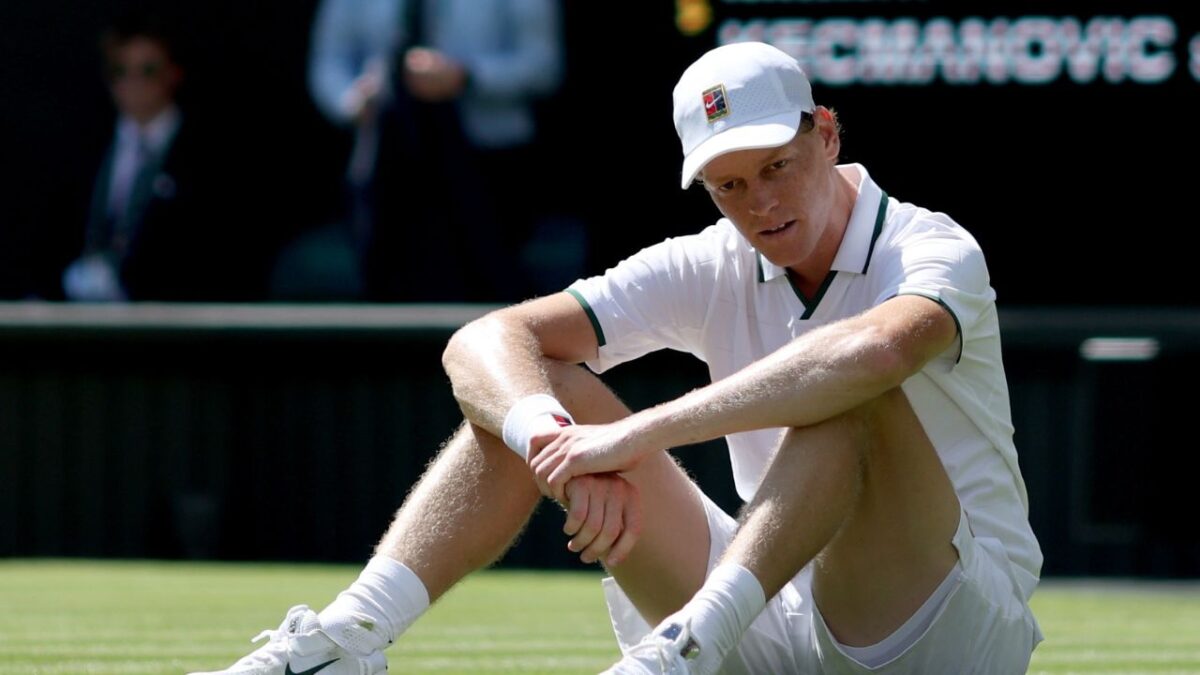
The mental resilience Sinner showed out on the court sends a clear warning shot to the remaining players left in the draw. When a player feels entirely comfortable in grueling weather conditions, it leaves their opponents with very few tactical avenues to exploit.
Sinner’s conditioning team deserves massive credit for designing a training regimen that allows him to look fresh in the third set of a Grand Slam quarterfinal while his opponent is visibly gasping for air between points. The depth of focus he maintains throughout these high-stakes matches has become his greatest weapon.
Next up for Sinner is a blockbuster semifinal matchup that will test every single ounce of his tactical acumen and physical endurance. As the tournament reaches its business end, the pressure will only intensify, but the top seed has already proven he possesses the exact temperament required to lift the Gentlemen’s Single Trophy.
If he can maintain this extraordinary level of serving and continue to handle the changing atmospheric conditions with the same nonchalance he displayed against Struff, the tennis world might very well be witnessing the definitive dawn of the Sinner era at the All England Club.
Also Read: Roger Federer Sits All Alone at Wimbledon Royal Box As Celebrities Leave Court
Fahad Hamid
(1769 Articles Published)