

Aryna Sabalenka Shares Strong Stance for Lower-Ranked Battle Amid Roland Garros Prize Money Feud
The French Open 2026 begins on the 24th of May and runs until the 7th of June.
 Follow Us
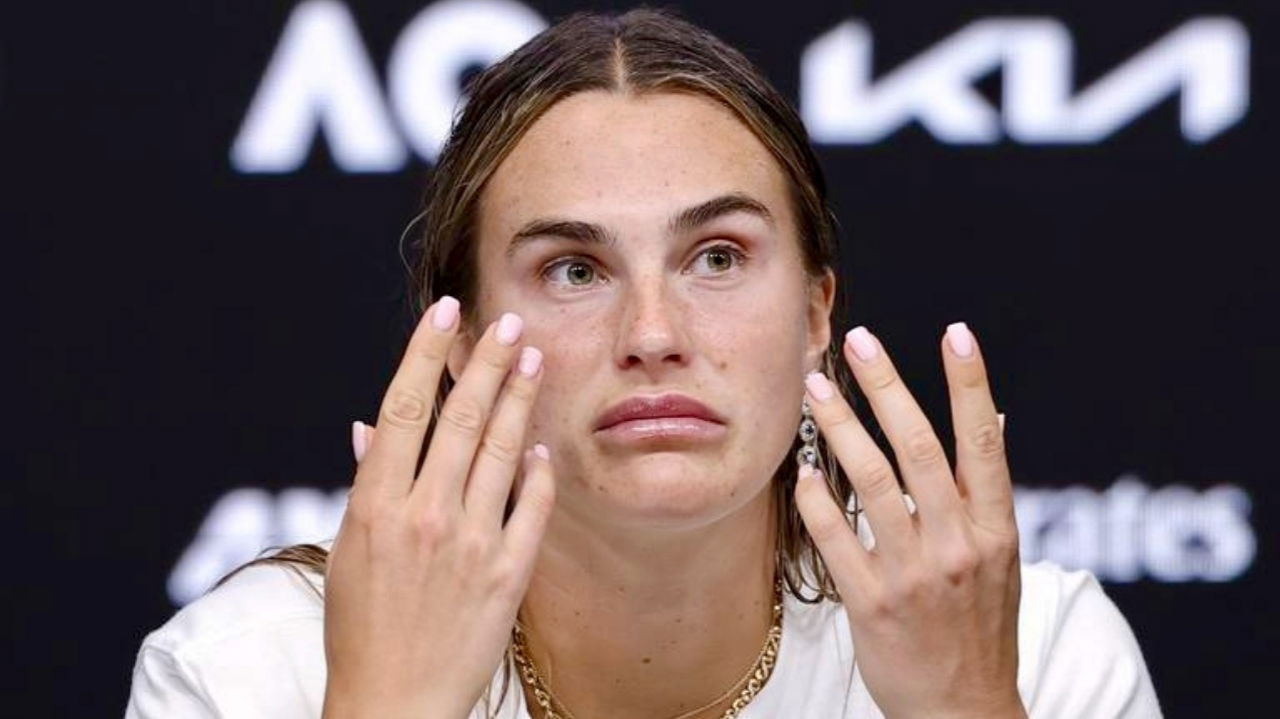
Aryna Sabalenka (Image via Fox Sports)
- Aryna Sabalenka led a protest at the 2026 French Open, demanding a larger share of Grand Slam revenue for players.
- Players are advocating for Grand Slams to increase prize money distribution from 15% to 22% by 2030.
- The protest highlights ongoing financial struggles for lower-ranked players despite the sport's significant global revenue.
World No.1 Aryna Sabalenka cut short her pre-tournament press conference at the 2026 French Open as part of a coordinated protest by leading players demanding a bigger share of Grand Slam revenue. The action, which limited media duties to just 15 minutes, highlights deep frustration among the top ranks with how the four major tournaments distribute prize money and support player welfare.
Sabalenka, a vocal advocate in these talks, made it clear the move wasn’t about disrespecting journalists but about fighting for fairness, especially for lower-ranked players struggling to make ends meet. Sabalenka said in her pre-tournament press conference:
Guys, I feel like the whole point here, it’s not about me. It’s about the players who are lower in the rankings, who are suffering. It’s not easy to live in this tennis world with that percentage that we are earning. But as the world No. 1, I feel like I have to stand up and fight for those players. For lower level players, for players who are coming back after injuries, the upcoming generation. I feel like our point is pretty clear and pretty fair to everyone. That’s what we’re all about.
Several big names, including Jannik Sinner and Iga Swiatek, followed the same “work-to-rule” approach on Friday’s media day at Roland Garros. Tennis players, particularly those outside the very top, often face brutal financial realities despite the sport’s massive global revenue.
The protest symbolizes the gap between what the tournaments earn and what trickles down to the athletes who make the shows possible. She added:
I stand with my words. We just wanted to do it in a respectful way at the beginning. You guys know how much we respect you and appreciate you. It’s not your decision and it’s not about you. Just, we’re trying to fight for fair percentage.
Aryna Sabalenka says she has a responsibility as the world No. 1 to stand up for lower ranked players & to fight for a fair percentage for everyone, ‘It’s not easy to live in this tennis world with that percentage that we are earning’
— The Tennis Letter (@TheTennisLetter) May 22, 2026
“Guys, I feel like the whole point here,… pic.twitter.com/MMKaigqg3r
Players want the Grand Slams to commit to 22% of revenue as prize money by 2030. Right now, the French Open is at around 15%, which they consider inadequate. This year’s prize fund increased by 9.5% to €61.7 million, with champions taking home €2.8 million each. But compared to bigger jumps at the US Open (20%) and the Australian Open (nearly 16%), the French Open feels like it’s dragging its feet.
The bigger picture and history of the dispute
Tensions have been building for some time. Players first met with Grand Slam representatives last year, followed by more talks. Progress has been slow, leading to this week’s coordinated action.
Key demands go beyond prize money. Players want better contributions to pension funds, healthcare, and maternity support. They also seek real input on scheduling issues that lead to exhausting calendars, late-night matches, and longer tournaments.
The French Tennis Federation‘s Amelie Mauresmo expressed sadness over the protest but confidence that a resolution would be found. Meetings were scheduled with player representative Larry Scott. Wimbledon is watching closely, too.
For lower-ranked players, this matters enormously. Many barely cover travel and coaching costs despite grinding through qualifiers and smaller events. When top players use their platforms like this, it draws attention to issues that often go unnoticed. Sabalenka’s leadership here feels authentic. As the World No.1, she could easily stay quiet and collect her checks, but she’s consistently spoken up for the next generation and those returning from injury.
What happens next at Roland Garros and beyond
The French Open starts Sunday, May 24, and runs through June 7. While this protest was limited to media day, the underlying issues remain unresolved. Players stopped short of threatening an immediate boycott, with Fritz warning against big talk without full readiness.
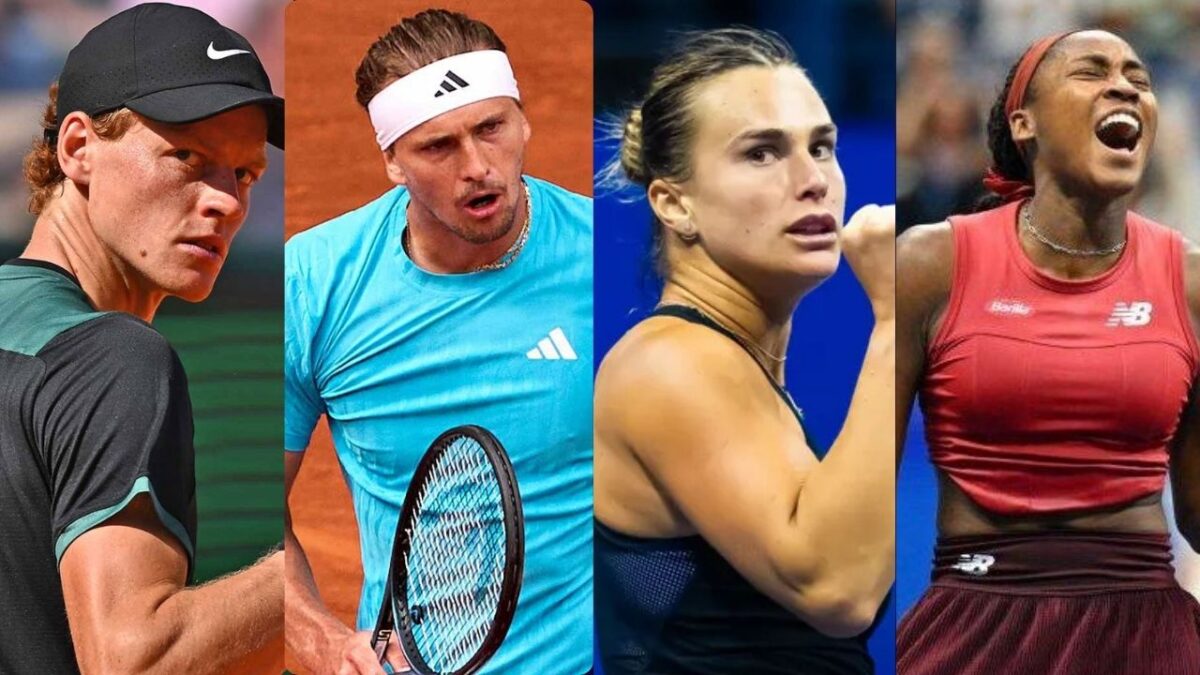
Still, the unity shown suggests this won’t fade away. Sinner believes the players are connected enough to keep pushing. For fans, this might feel disruptive at first. Nobody wants shorter interviews or tension hanging over the tournament. But many understand the players’ point. The sport has grown massively in commercial value, yet the rewards haven’t always kept pace for everyone involved.
Aryna Sabalenka and her peers have drawn a line in the clay. How organizers respond in the coming weeks and months could shape tennis for years ahead. As the tournament kicks off, all eyes will be on both the on-court action and any signs of progress behind the scenes.
Fahad Hamid
(1769 Articles Published)