

Coco Gauff’s Ex-Coach Breaks Down Ben Shelton’s Costly Tactical Errors in US Open Final
Ben Shelton lost the US Open final in lost 4 sets.
 Follow Us
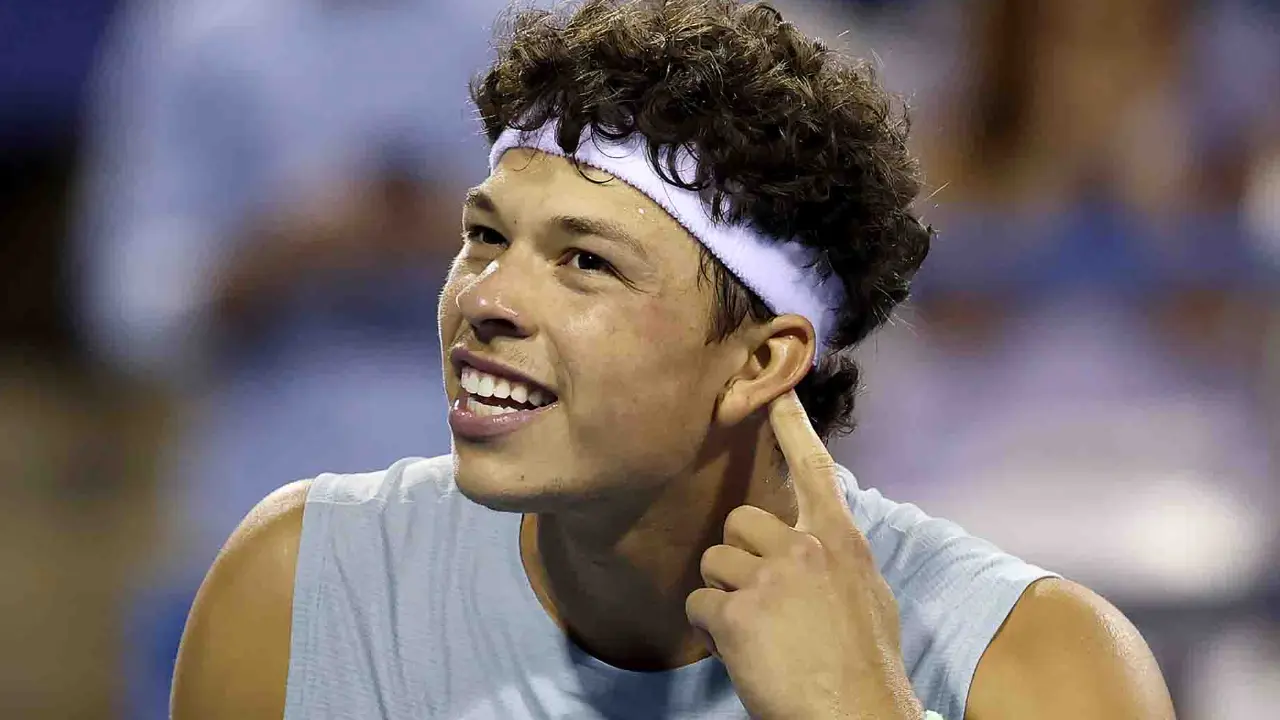
Ben Shelton (Image via ATP Tour)
Renowned tennis coach Brad Gilbert offered a detailed critique of Ben Shelton’s performance following his defeat in the US Open final. Speaking on The Big T Podcast, as reported by Punto de Break, Gilbert highlighted that Shelton’s primary weapon, his serve, failed to reach the high standards he maintained in earlier rounds of the tournament.
Gilbert pointed out that Alexander Zverev capitalized heavily on these service lapses, allowing the German player to dictate terms from the baseline. Zverev successfully targeted Shelton’s backhand throughout the match, exposing a critical vulnerability in the American’s baseline setup.
I felt that in the first set, Ben had too many serves that allowed Zverev to win the points. And once he gets into the points, there tend to be cross rallies where Zverev’s forehand, despite lacking power, against Ben’s backhand causes problems, and then many of Ben’s backhands go to the center of the court. I think he should have taken a few more risks, run, and look for some forehand shots.
According to Gilbert, the tactical matchup in neutral rallies heavily favored Zverev’s steady forehand over Shelton’s backhand. He noted that too many of Shelton’s backhand returns landed passively in the center of the court, granting Zverev immediate control of the point.
Ben always shows his great variety; he is a great server. But I think to beat Sinners and Zverevs, to consistently beat Alcaraz or Djokovic, you need to bring the fire and hit 25 or 30 aces, which I believe would help him significantly. He maintains his serve very well, but against these guys, he needs that and more serve plus one. I felt that Zverev, by the way they planned the match with his team, simply had a strategy to play against Ben, against whom I have a record of 5-0. It’s not about winning the US Open, it’s about keeping things simple and planning the match against a player I enjoy facing
The prominent analyst concluded that Shelton lacked the necessary calculated aggression to shift the momentum of the match. Gilbert emphasized that Shelton needed to take greater risks, increase his court coverage, and actively hunt for his forehand shots to counter Zverev effectively.
Zverev’s Decisive Triumph at Flushing Meadows
Alexander Zverev secured the US Open title by executing a disciplined and near-flawless tactical game plan against the home favorite. The German competitor demonstrated exceptional resilience under pressure, dropping his serve only once throughout the championship match.
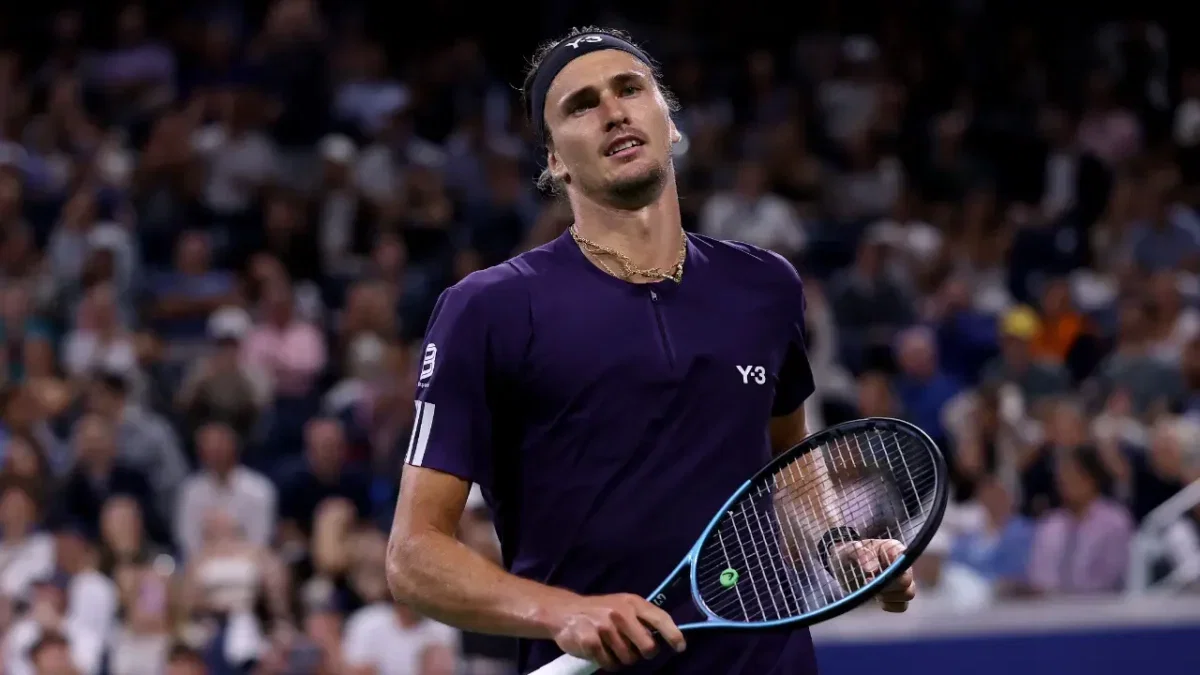
Zverev faced minimal complications when defending against break points, efficiently neutralizing Shelton’s offensive bursts. His defensive stability and depth completely dismantled the rhythm that Shelton typically relies on to overwhelm opponents.
By exploiting the cross-court patterns on Shelton’s backhand side, Zverev systematically forced errors from the young American. This measured approach ensured that Zverev maintained structural superiority during lengthy baseline exchanges.
The victory marks a monumental milestone in Zverev’s career, solidifying his status among the elite Grand Slam champions. His tactical discipline on the grand stage proved too robust for Shelton’s first-ever appearance in a major final.
Shifts in the ATP Rankings and Race Dynamics
The conclusion of the US Open has triggered significant alterations at the upper echelon of the ATP rankings and seasonal race standings. Alexander Zverev’s triumph in New York has strengthened his position significantly, allowing him to cement the second spot in the world rankings with 7,790 points.
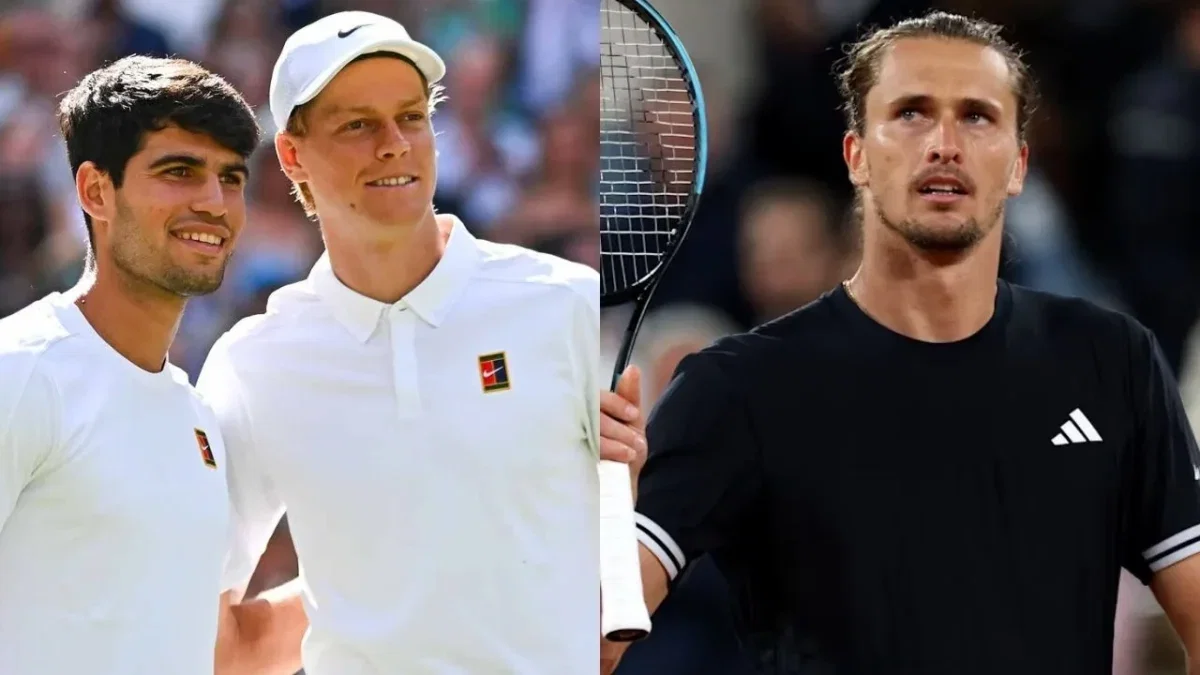
Jannik Sinner continues to hold the number one position atop the ATP leaderboard with a commanding 12,800 points. However, Zverev’s consistent late-season execution has closed the gap in performance momentum relative to the chasing pack.
Further down the rankings, players like Ben Shelton and Frances Tiafoe have reached new career-high milestones following deep tournament runs. Shelton now sits firmly inside the top ten at world number nine with 3,480 points, reflecting his continuous progression on the professional tour.
Meanwhile, former stalwarts continue to shuffle positions as the tour transitions toward the closing stages of the competitive year. The dynamic shifts at the US Open underscore a generational transition in which younger contenders are aggressively reshaping the top-tier hierarchy.
Fahad Hamid
(1769 Articles Published)