

Carlos Alcaraz Opens Up on the Heavy Toll of Social Media Hate: “Things Affect Me”
Carlos Alcaraz is seeking a return to World No.1 this weekend.
 Follow Us
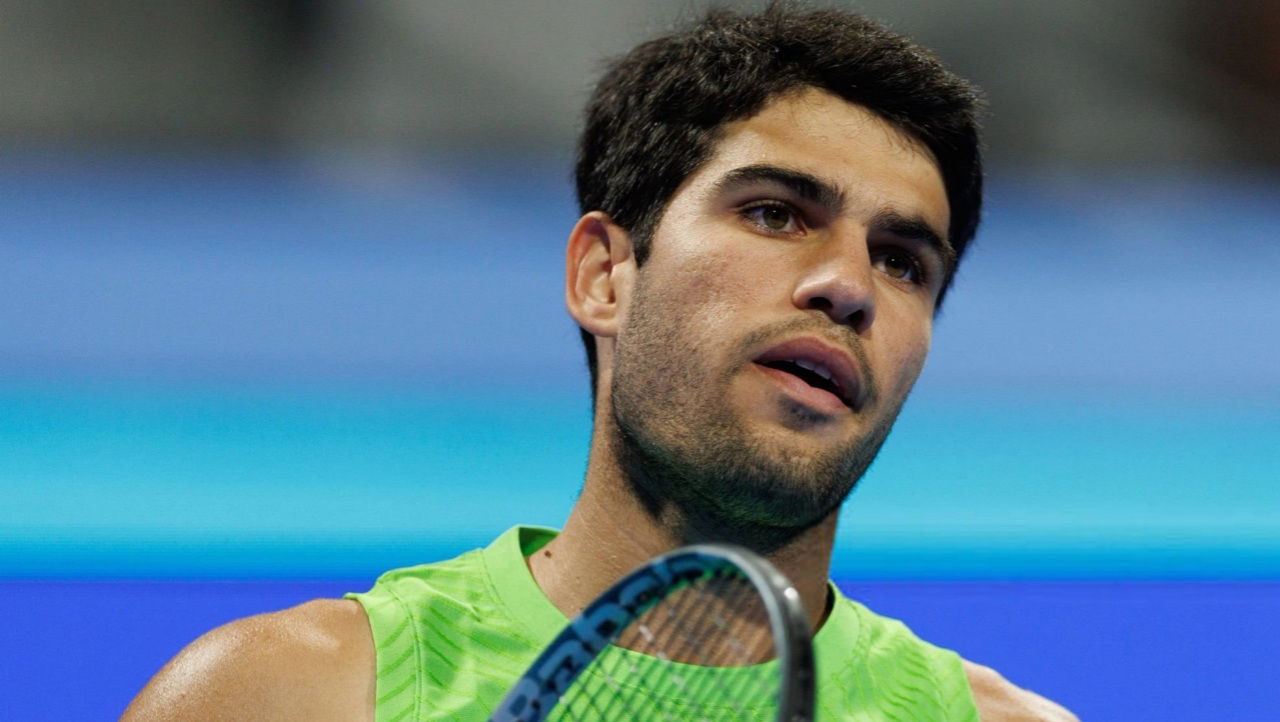
Carlos Alcaraz (Image via X/Carlos Alcaraz 4K)
- Carlos Alcaraz revealed the mental toll of social media criticism on his confidence.
- He faced a physical challenge during a match against Otto Virtanen, requiring a medical timeout.
- Alcaraz continues to navigate the pressures of being a leading figure in tennis after the Big Three era.
Spanish tennis sensation Carlos Alcaraz encountered a dual test of his resilience this week, surviving a tense medical timeout to defeat Otto Virtanen at the Barcelona Open while simultaneously revealing the deep mental toll that social media criticism has taken on his confidence.
The former champion managed to advance past his latest challenger, but it was his startlingly vulnerable admission off the court that truly captured the attention of the tennis world.
The young phenom is usually seen with an infectious, ear-to-ear smile, dominating the ATP tour with an explosive blend of power and finesse that has drawn comparisons to the sport’s greatest legends.
Yet, his recent admission about self-doubt highlights the immense, often invisible pressure placed on modern athletes navigating both physical ailments and a relentless, unforgiving digital landscape. Alcaraz said on MARCA:
Perhaps I spend more time on social media than I should, and things affect me. Everyone is human, and certain comments make you doubt what you’re capable of; certain defeats make you wonder if you’re good enough. That’s where you need to have the right people around you, and luckily I have my family and a wonderful team.
That is a staggering level of transparency from a player who has already reached the pinnacle of the sport. One often forgets that underneath the sponsorships, the highlight-reel tweeners, and the trophy lifts, Alcaraz is barely out of his teenage years.
He grew up in the smartphone generation, making his relationship with platforms like Instagram and X entirely natural, but also incredibly perilous. The dopamine hit of a viral highlight is invariably accompanied by the crushing weight of armchair critics dissecting every unforced error.
The physical test on the clay
The match against Otto Virtanen was supposed to be a standard stepping stone for Carlos Alcaraz as he looked to reclaim his crown in Barcelona. Instead, it turned into a gritty battle of attrition. Virtanen, playing with house money and swinging freely, pushed the Spaniard into uncomfortable territory.
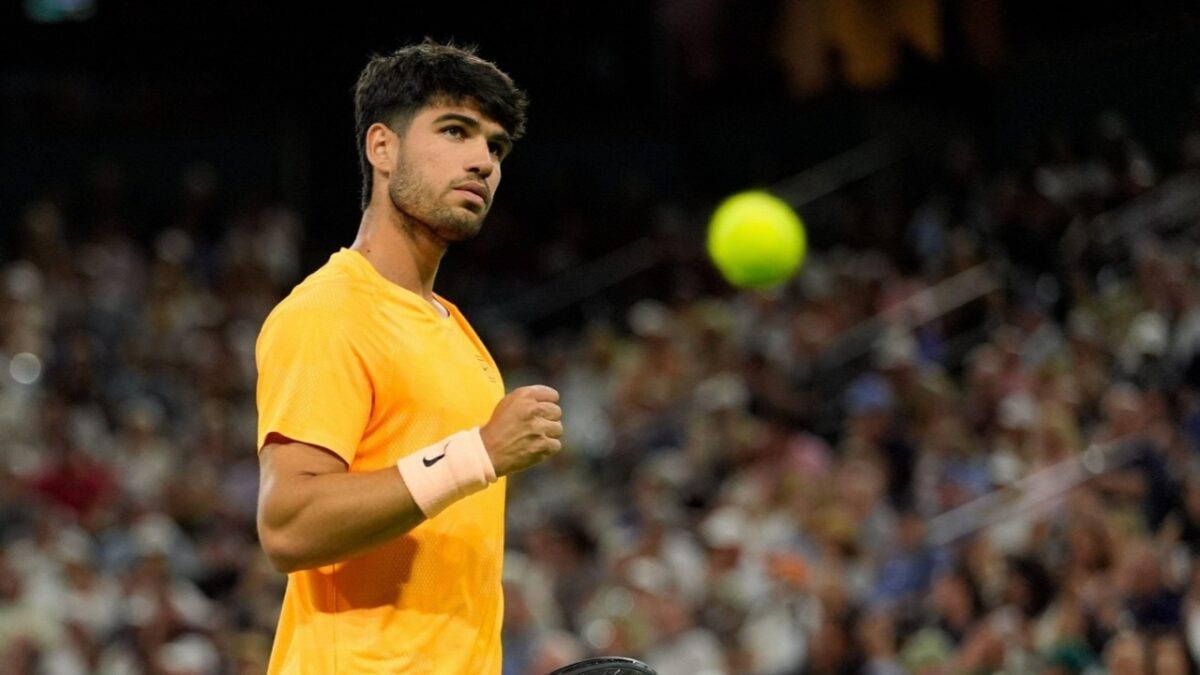
The tension inside the stadium spiked significantly when Alcaraz was forced to take a medical timeout. For a player who relies so heavily on explosive movement, lateral quickness, and sudden changes of direction, any lower-body issue immediately sounds alarm bells for his camp and his fans alike.
Athletes of his caliber are finely tuned machines, but they are also subject to the grueling wear and tear of a punishing ten-month calendar. The clay-court swing is notoriously demanding, requiring endless sliding, grinding rallies, and supreme physical conditioning.
Alcaraz managed to shake off the physical discomfort and returned to the court to dispatch Virtanen and keep his tournament hopes alive. He relied on his elite court coverage and that trademark heavy forehand to navigate the danger zone. But the physical scare seemed to unlock a broader conversation about the limits of human endurance, both in the muscles and in the mind.
Navigating the post-Big Three era
The broader context of Carlos Alcaraz’s situation is the immense shadow cast by the generation that preceded him. Roger Federer, Rafael Nadal, and Novak Djokovic conditioned the public to expect absolute, robotic perfection. They won with such relentless consistency that anything less than a deep Grand Slam run is now viewed by casual fans as a catastrophic failure.
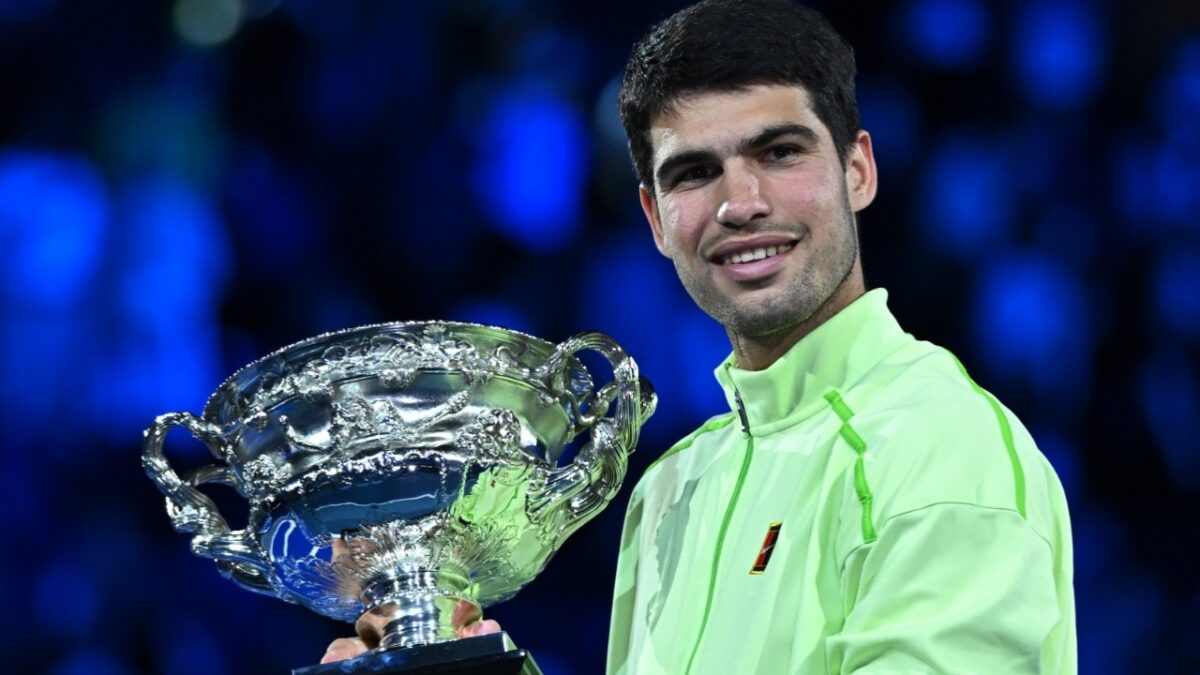
Alcaraz has been unfairly tasked with carrying the torch for the post-Big Three era. The moment he arrived on the scene, the tennis world aggressively pinned the future of the sport squarely on his chest. That is an impossible standard for any player to meet every single week. The physical toll manifests in medical timeouts against players like Virtanen, while the mental toll manifests in the late-night scrolling through hateful comments.
Despite the friction, Alcaraz continues to push forward. His ability to articulate his struggles without using them as an excuse is exactly why he remains the most compelling figure in men’s tennis today. He isn’t hiding behind PR-scripted platitudes; he is giving fans the raw, unvarnished truth about what it takes to survive at the top of the mountain.
Looking ahead, Alcaraz must now refocus his energy on the immediate task at hand: surviving the grueling clay-court battles that define this crucial stretch of the season. He will need to manage whatever physical lingering effects remain from his medical timeout while simultaneously silencing the digital noise that threatened his confidence.
Fahad Hamid
(1769 Articles Published)