

Controversy Erupts After Daniil Medvedev Loses a Freak VAR Point at Wimbledon
Daniil Medvedev hasn't reached a Grand Slam final since Australian Open 2024.
 Follow Us
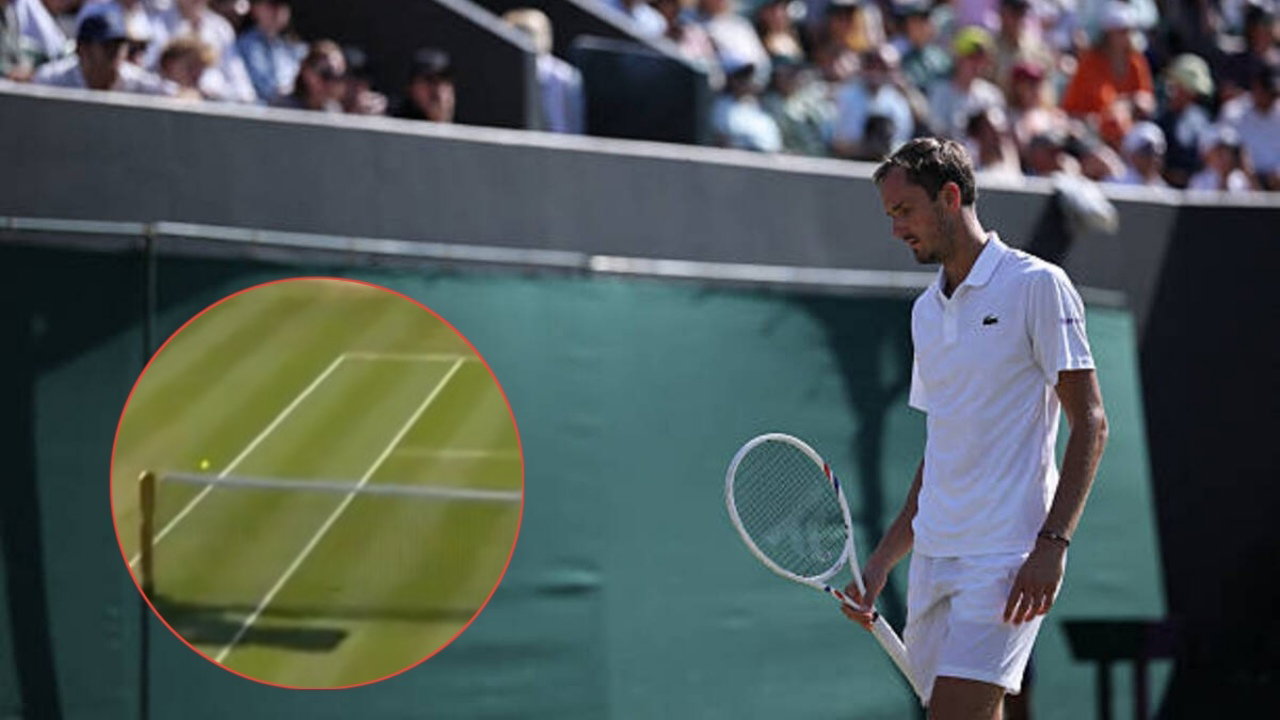
Daniil Medvedev suffered a freak straight-set defeat to world No. 74 Jan-Lennard Struff in the third round of Wimbledon on Friday, with a highly controversial Video Review Technology (VRT) decision taking center stage. The match quickly became a lightning rod for debate over tennis’s newly implemented “VAR” system, which completely altered the match’s psychological complexion.
This stunning exit matters immensely because it marks the definitive boiling point of Medvedev’s ongoing friction with tennis’s electronic officiating. Wimbledon officially introduced VAR-style video reviews for the 2026 Championships on its six main show courts to rule on hyper-specific judgment calls, including double bounces and player hindrances.
Struff vs Medvedev pic.twitter.com/2e8BTlwpL8
— highlightstennis (@highlightstenis) July 3, 2026
Instead of providing absolute clarity, the technology has sparked massive debate regarding how psychological disruptions are handled on court. For a grand slam champion whose baseline brilliance relies entirely on cold, calculated focus, the distraction of electronic reviews appears to have built a mental prison that completely shattered his composure when the match was on his racquet.
Despite leading by at least one break in every single set, and holding multiple set points, the eighth-seeded Russian failed to navigate the tension, ultimately falling 7-6 (4), 7-6 (5), 7-5. Medvedev was projected to play Jannik Sinner in the Wimbledon quarterfinals.
Anatomy of a meltdown: Blowing three sequential leads
To truly understand how bizarre this match was, one has to examine the sequence of events that unfolded on Court 1. In the opening set, Daniil Medvedev looked sharp early, showcasing his trademark deep court coverage to secure a comfortable 3-1 lead while holding a 30-0 advantage on his own serve. Instead of consolidating the lead, he took his foot off the gas, allowing Struff to claw his way back into the contest and force a tiebreak that the German veteran snatched away with aggressive net play.
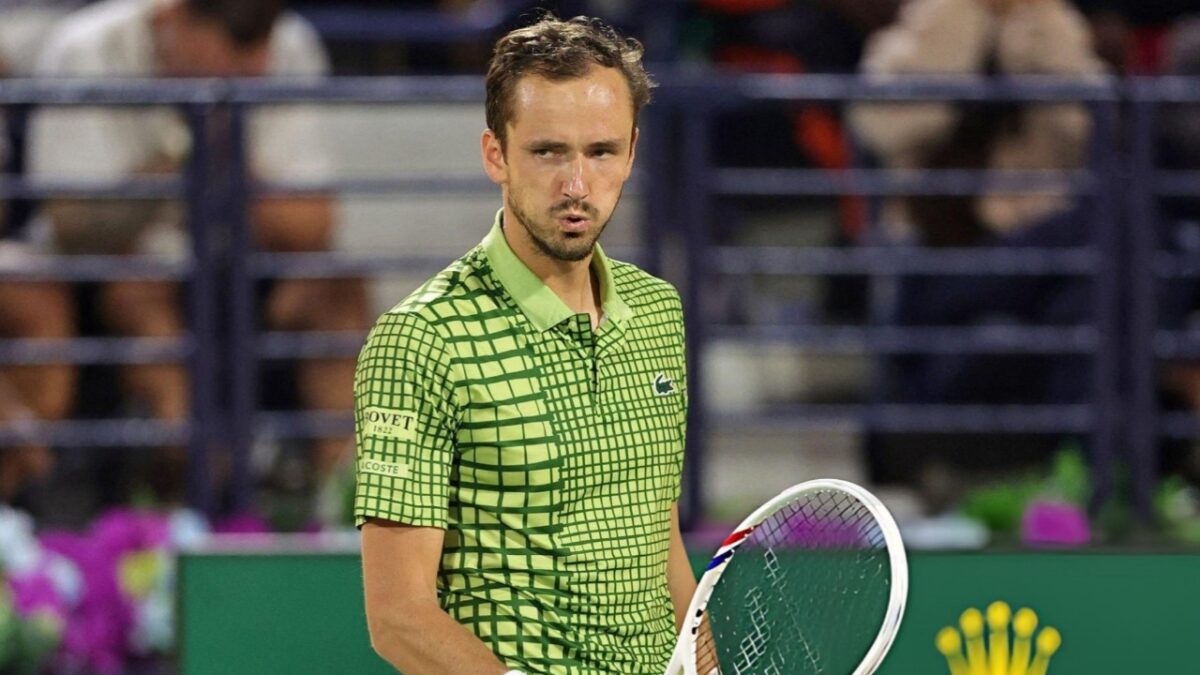
The second set followed an even more agonizing script for the Russian’s camp. Medvedev navigated his way to a commanding 5-2 lead, standing just a single hold away from evening the score. Serving at 15-0, a sudden rash of unforced errors and tentative groundstrokes opened the door wide open for Struff.
The German, playing with house money and an unshakeable sense of freedom, reeled off consecutive games to break back, eventually triggering a second tiebreak where Medvedev’s baseline resistance completely crumbled under the weight of his own anxiety.
By the time the third set rolled around, the crowd anticipated a desperate fightback from the former US Open champion. For a brief moment, it looked like it was happening; Medvedev charged ahead to another 5-2 lead, this time with a double-break cushion in his pocket.
Serving for the set at 40-15, he held two distinct set points to keep his Wimbledon campaign alive. Incredibly, both opportunities were squandered through uncharacteristic passivity, allowing Struff to break back twice, reel off five straight games, and close out the match to reach the round of 16 for the first time in his long career.
Is the former Grand Slam champion truly finished?
While the immediate reaction to a sports tragedy is almost always coated in hyperbole, the cold hard facts suggest that declaring Medvedev “washed” might be premature. The world of tennis moves fast, and while his grass-court season has ended in absolute heartbreak, his overall body of work in 2026 demonstrates that he still belongs at the sport’s highest tier.
Earlier this year, he captured a hard-court title in February and put together a brilliant run to the final at Indian Wells in March, where he ultimately fell to a virtually unbeatable Jannik Sinner.
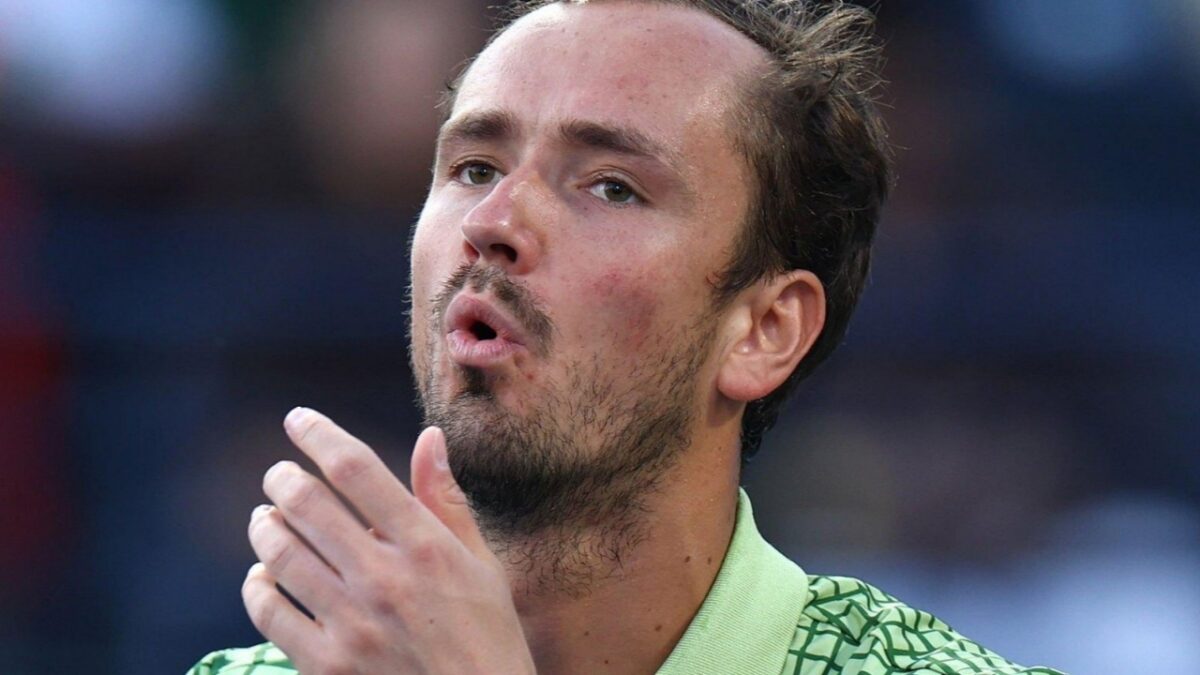
Historically, the Russian has always been a creature of the hard courts. His unique, flat strokes and deep-set return position are tailor-made for the concrete, a surface that rewards his relentless pacing and stamina.
He has repeatedly proven that he can navigate deep into the second week of a major when playing in the United States, meaning his upcoming schedule provides the perfect environment to cure his current tennis ailments. The psychological scars from this Wimbledon exit will undoubtedly take time to heal, but a return to his favorite stomping grounds could provide the reset his career desperately needs.
Up next for Medvedev is a mandatory period of reflection and physical recovery before the grueling North American hard-court swing kicks off. He will need to sit down with his coaching staff to address the glaring mental lapses and the technical regressions in his second serve before he steps foot in New York for the US Open.
If he can rebuild the psychological fortress that made him a world-class champion, he remains a legitimate threat to hoist another trophy; however, if these late-set collapses continue to go unchecked, the calls for his retirement will only grow louder.
Also Read: Rafael Jodar Feels Privileged to Be in Same Tennis Ecosystem As Rafael Nadal and Carlos Alcaraz
Fahad Hamid
(1769 Articles Published)