

How India Fared at the 2026 Thomas and Uber Cup
 Follow Us
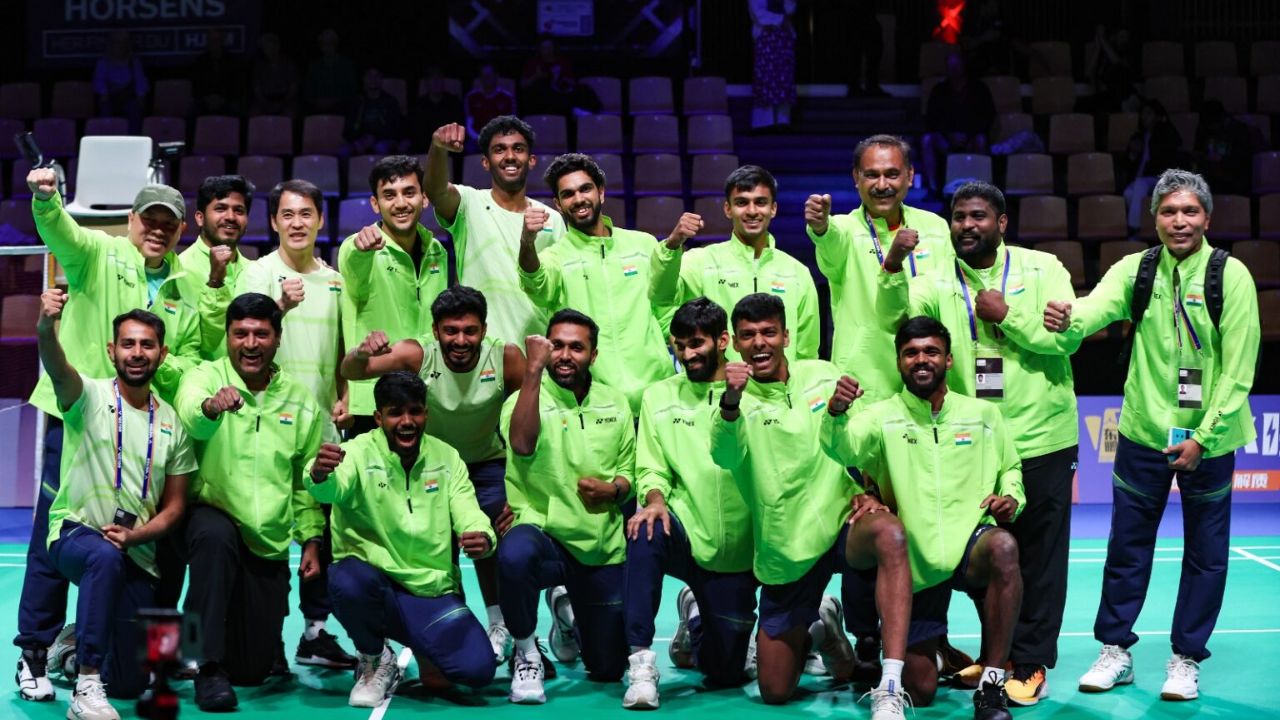
Team India celebrates reaching the semifinals at the BWF Thomas Cup Finals 2026 (Image via Badminton Photo)
- India secured a bronze medal at the 2026 Thomas Cup, marking its second medal in the tournament's history.
- In the Uber Cup, India was eliminated in the group stages, failing to reach the quarterfinals for the first time since 2018.
- Lakshya Sen's injury in the semifinals against France impacted India's performance, highlighting the need for player consistency.
India finished with a bronze at the 2026 Thomas Cup. This was the country’s second ever Thomas Cup medal and the first after the gold won in 2022.
In the Uber Cup, India finished in the group stages and failed to qualify for the quarterfinals for the first time since 2018. India has won two Uber Cup bronzes in 2014 and 2016.
Here is a deeper analysis of each player’s performance.
Thomas Cup
India qualified for the quarterfinals after finishing second in Group A with 4-1 and 5-0 wins against Canada and Australia respectively, and a 2-3 loss to China.
In the Quarters, India beat a strong Chinese Taipei team 3-0 to ensure a medal but lost 0-3 in the Semifinals against France to finish with a bronze.
Lakshya Sen
- Matches played: 4
- Matches won: 2
- Matches lost: 2
- Games won: 6
- Games lost: 5
- Points won: 205
- Points lost: 198
- Differential: +7
Against opponents ranked World No.20 and above:
- Matches played: 3
- Matches won: 1
- Matches lost: 2
- Games won: 4
- Games lost: 5
- Points won: 163
- Points lost: 168
- Differential: -5
Lakshya Sen, being the highest-ranked Indian player (World No.11), had the tough task of playing in MS1.
In the first group tie against Canada, Lakshya lost to the fast-rising sensation Victor Lai (World No.13) by 21-18, 19-21,10-21 and also lost to his familiar rival Li Shifeng (World No.7) 19-21, 21-8, 12-21 in the tie against China. He beat Australian World No.170 Eprahim Stephen Sam 21-14, 21-16.
His best performance of the tournament came in the crucial quarterfinal tie against Chinese Taipei. Lakshya beat Chou Tien Chen (World No.6) 18-21, 22-20, 21-17 in the first match to put India 1-0 ahead.
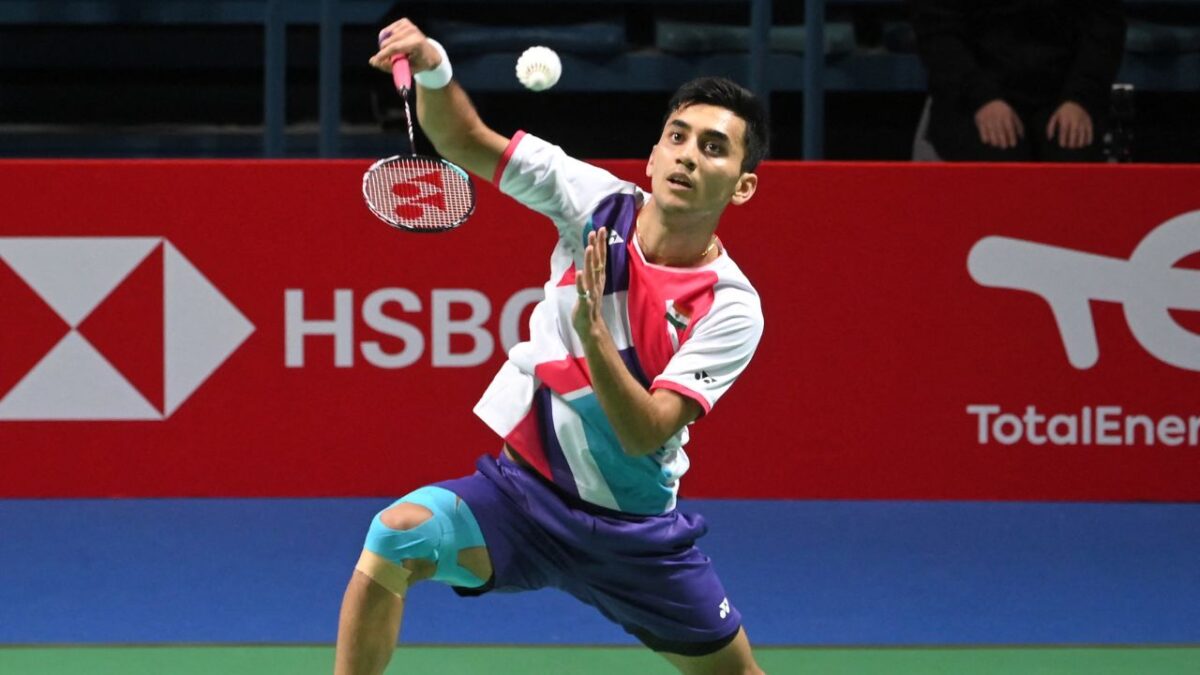
Lakshya had a good record against Chou including a win at the 2024 Olympics, and he delivered at a clutch moment yet again against the 36-year-old Chinese Taipei shuttler.
What should come as a concern though are his losses against contemporaries Li Shifeng and Victor Lai, both of whom he had beaten in the All-England Open earlier this year. He will have to develop consistency if he wants to ensure deeper runs in tournaments.
Lakshya did not take part in the semis against France due to injury, and his absence sorely felt in India’s one-sided defeat.
Ayush Shetty
- Matches played: 5
- Matches won: 4
- Matches lost: 1
- Games won: 8
- Games lost: 11
- Points won: 205
- Points lost: 168
- Differential: +37
Against opponents ranked World No.20 and above:
- Matches played: 3
- Matches won: 2
- Matches lost: 1
- Games won: 4
- Games lost: 3
- Points won: 121
- Points lost: 124
- Differential: -3
Ayush Shetty was clearly India’s best singles player in the tournament.
The 20-year-old World No.18, playing in his first Thomas Cup, defeated higher ranked Weng Hong Yang (World No.15) 17-21, 21-13, 21-15 in the group-stage tie against China. He also beat Canada’s Brian Yang (World No.33) 21-13, 21-17 and Australia’s Shrey Dhand (World No.247) 21-8, 21-6 in the group stages.
His best win came in the Quarters against the reigning All England Champion Lin Chun Yi (World No.8) of Chinese Taipei. Ayush enjoyed an easy 21-16, 21-17 win against Lin, who had an excellent record against Indian players before the tournament.
In the Semis, however, Ayush, now having to play as MS1 in the absence of Lakshya Sen, lost tamely to World No.4 Christo Popov of France by a score of 11-21, 9-21.
Prior to the Thomas Cup, Ayush had a sensational run at the Badminton Asia Championships, where he finished with a silver medal. However, the similar manner of defeats at both the Thomas Cup semis and BAC finals should be a matter of concern for Ayush.
In both of these important matches, he was too passive and made no initiative to retake control or fight back, resulting in heavy straight-set defeats. Ayush, with his height advantage, has the potential to be a top-5 player if he can work on these shortcomings.
Satwiksairaj Rankireddy-Chirag Shetty
- Matches played: 4
- Matches won: 3
- Matches lost: 1
- Games won: 7
- Games lost: 3
- Points won: 205
- Points lost: 165
- Differential: +40
Against opponents ranked World No.20 and above:
- Matches played: 2
- Matches won: 1
- Matches lost: 1
- Games won: 3
- Games lost: 3
- Points won: 121
- Points lost: 114
- Differential: +7
Like Lakshya and Ayush, SatChi too would take home bittersweet memories from the 2026 Thomas Cup.
On one hand, the World No.4 team defeated Chinese Taipei’s Hsiang Chieh Chiu and Wang Chi Lin (World No.14) 23-21, 19-21, 21-12 in the crucial Quarterfinal tie to ensure a medal; on the other hand, they lost 13-21, 21-13, 24-26 to China’s World No.5 team of Liang Wei Keng and Wang Chang in the group stages despite having a sizable lead at one stage of the final game.
A win against the Chinese pair could have potentially ensured a first-ever Indian win in an India-China tie in Thomas Cup history. They defeated the lower-ranked Canadian and Australian teams in the group stage and did not get a chance to participate in the semifinal tie against France.
The Indian duo should be justifiably proud of their second Thomas Cup medal but do need to work on their defense during the crucial final stages of a match, a problem that has plagued them since the 2024 Olympics.
HS Prannoy
- Matches played: 3
- Matches won: 2
- Matches lost: 1
- Games won: 4
- Games lost: 3
- Points won: 139
- Points lost: 122
- Differential: +17
Against higher-ranked opponents:
- Matches played: 2
- Matches won: 1
- Matches lost: 1
- Games won: 2
- Games lost: 3
- Points won: 97
- Points lost: 94
- Differential: +3
World No. 35 HS Prannoy showed glimpses of why he is so highly rated – especially after a 22-20, 21-19, 21-11 win against Lu Guang Zu (World No.23) in the group stages, which marked the first time India won 2 matches in a Thomas Cup tie against China.
Prannoy also defeated Australia’s Rishi Boopathy in the group stages and was the only Indian who looked likely to win a game in the semifinal tie against France, as he lost 19-21, 16-21 to World No.17 Toma Junior Popov.
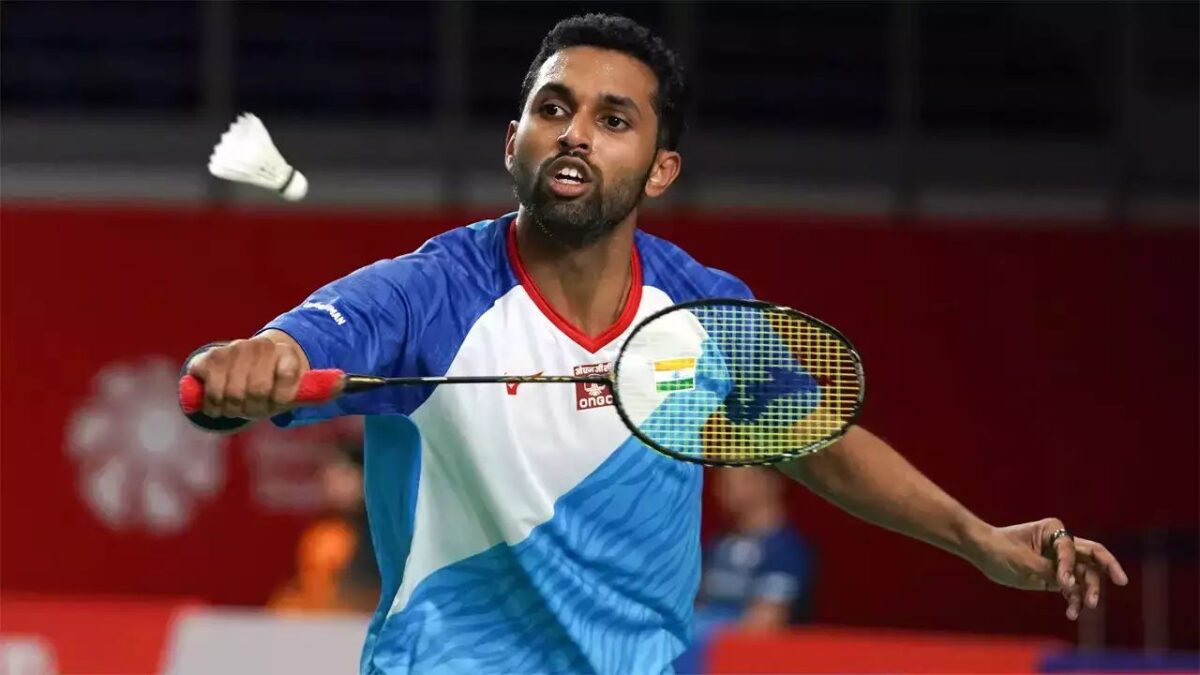
However, in the semifinal match especially, Prannoy showed his old tendency to make unforced errors while being fully in control of a rally.
The 33-year-old has never been able to solve this problem, which has resulted in him having won fewer tournaments and medals compared to his talent. Nevertheless, Prannoy finished with another Thomas Cup medal in what could be the final such tournament of his career.
Kidambi Srikanth
- Matches played: 2
- Matches won: 1
- Matches lost: 1
- Games won: 2
- Games lost: 2
- Points won: 76
- Points lost: 71
- Differential: +5
Against higher-ranked opponents:
- Matches played: 1
- Matches won: 0
- Matches lost: 1
- Games won: 0
- Games lost: 2
- Points won: 34
- Points lost: 42
- Differential: -8
Like Prannoy, Kidambi Srikanth too likely played in his final Thomas Cup tournament, but Srikanth, unlike Prannoy, never looked convincing in the 2026 edition.
The World No.30 Srikanth beat World No.77 Joshua Nguyen of Canada in straight sets but lost to World No.10 Frenchman Alex Lanier by a score of 16-21, 18-21 in the semifinals.
Despite the scoreline, Srikanth never looked like winning a game against Lanier.
33-year-old Srikanth had a couple of good tournaments in 2025 but hasn’t quite hit his stride in 2026. Nevertheless, the Thomas Cup provided another medal for Srikanth’s collection.
MR Arjun-Hariharan Amsakarunan
- Matches played: 3
- Matches won: 2
- Matches lost: 1
- Games won: 4
- Games lost: 2
- Points won: 114
- Points lost: 86
- Differential: +28
India’s MD2 (current World No.34) lost to the lower-ranked Chinese team of He Ji Ting-Ren Xiang Yu by 17-21, 13-21 in the group-stages while beating the lower-ranked Canadian and Australian teams in straight games. They did not get to participate in the quarter and semifinal ties.
Hari-Arjun’s results were along expected lines, though they did show how world rankings are not to be taken at face value, especially against opponents from China and other South East Asian nations.
Uber Cup
India finished third in Group A and could not qualify for the Quarterfinals after 0-5 and 2-3 losses to China and hosts Denmark respectively and despite a 4-1 win against Ukraine.
PV Sindhu
- Matches played: 2
- Matches won: 1
- Matches lost: 1
- Games won: 3
- Games lost: 3
- Points won: 116
- Points lost: 112
- Differential: +4
Against opponents ranked World No.20 and above:
- Matches played: 1
- Matches won: 0
- Matches lost: 1
- Games won: 1
- Games lost: 2
- Points won: 56
- Points lost: 61
- Differential: -5
PV Sindhu, for the umpteenth time, was India’s leading light in the Uber Cup.
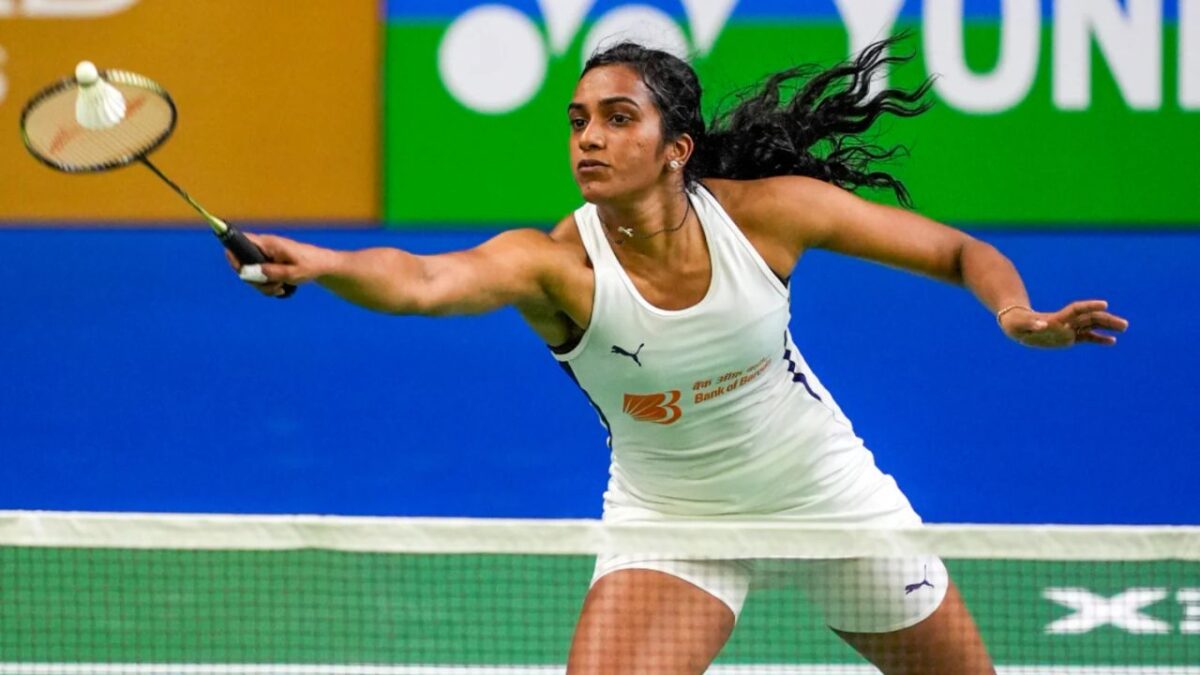
The 30-year-old World No.13, who has not been at her best since 2024, put up a brave performance against both World No.21 Line Christophersen of Denmark and World No.2 Wang Zhiyi of China, winning in three games against the former and losing in three games against the latter.
She was still India’s best player in the Uber Cup, though her efforts were not enough to help India qualify for the quarters.
She did not participate in the group tie against Ukraine.
Unnati Hooda
- Matches played: 2
- Matches won: 1
- Matches lost: 1
- Games won: 2
- Games lost: 2
- Points won: 78
- Points lost: 85
- Differential: -7
Tanvi Sharma
- Matches played: 2
- Matches won: 1
- Matches lost: 1
- Games won: 3
- Games lost: 3
- Points won: 112
- Points lost: 104
- Differential: +8
Devika Sihag
- Matches played: 2
- Matches won: 1
- Matches lost: 1
- Games won: 3
- Games lost: 2
- Points won: 92
- Points lost: 95
- Differential: -3
Unnati, Tanvi and Devika represent the next-gen of India’s WS badminton.
The trio, alongside Anmol Kharb and Isharani Barua, all in their late teens or early twenties, are looked upon as players who could potentially be the next Saina Nehwal or PV Sindhu.
Each of them requires a breakthrough performance – similar to how Ayush Shetty had the BAC – however the Uber Cup was unfortunately not the tournament for them, though each of them did show glimpses of talent and potential against players older to them in age and experience.
Unnati, ranked No.23 in the world, lost to World No.25 Line Kjaersfeldt 12-21, 23-25 in the crucial tie against Denmark. Though the 18-year-old Indian put up a competitive performance against the 32-year-old Dane, especially in the second game, it was not enough.
Unnati later beat World No. 40 Polina Buhrova as WS1 in the tie against Ukraine and did not participate against China. 17-year-old Tanvi Sharma, the reigning Junior WCH Silver medalist and current World No.34, too had a mixed bag of a tournament.
She lost a close three-game match to World No.42 Amalie Schulz of Denmark and won in three-games to World No.99 Yevheniia Kantemyr of Ukraine. Tanvi, like Unnati, had her chances in the Denmark game but could not make the most of them.
World No.43 Devika Sihag, who recently won a Super 300 tournament, convincingly won her match against Ukraine but lost in three games (21-19, 17-21, 10-21) to the upcoming Chinese shuttler Xu Wen Jing.
Winning a game against a Chinese opponent is somewhat of an achievement for a young Indian player, though for India to become a leading badminton nation the target should be much higher.
Isharani Baruah (World No.38) played in just the one match, which was against the Chinese behemoth Chen Yu Fei and lost in straight games.
Women’s Doubles
Women’s Doubles was expected to be a weak link for India in the absence of the Treesa Jolly-Gayatri Gopichand duo, and the results were along expected lines.
Tanisha Crasto was India’s best doubles player at the Uber Cup.
The scratch team of Tanisha and PV Sindhu won their two matches against Denmark and Ukraine (though the former was due to a retirement) while the team of Tanisha and Kavipriya Selvam managed to win one game in the loss against the Chinese team of Luo Xu Min and Zhang Shu Xian.
The team of Priya Konjengbam and Shruti Mishra lost in three-games against Denmark and straight games against China.
The team of Simran Singhi and Kavipriya lost in straight games against Ukraine.
The 2026 Thomas and Uber Cup once again showed the importance of having depth in men’s and women’s Doubles and it is high time Indian authorities learn a lesson from this performance if India is to win this tournament in the future.
Also Read:
Niyati
(89 Articles Published)