

IPC’s Ban on Ukrainian Uniform With 1991 Map Amid Russia and Belarus’ Return to Competition Under Their Flags Incites Uproar
The IPC have allowed the Russian and Belarusian athletes to return to the international sporting stage at the Milano Cortina Paralympics 2026.
 Follow Us
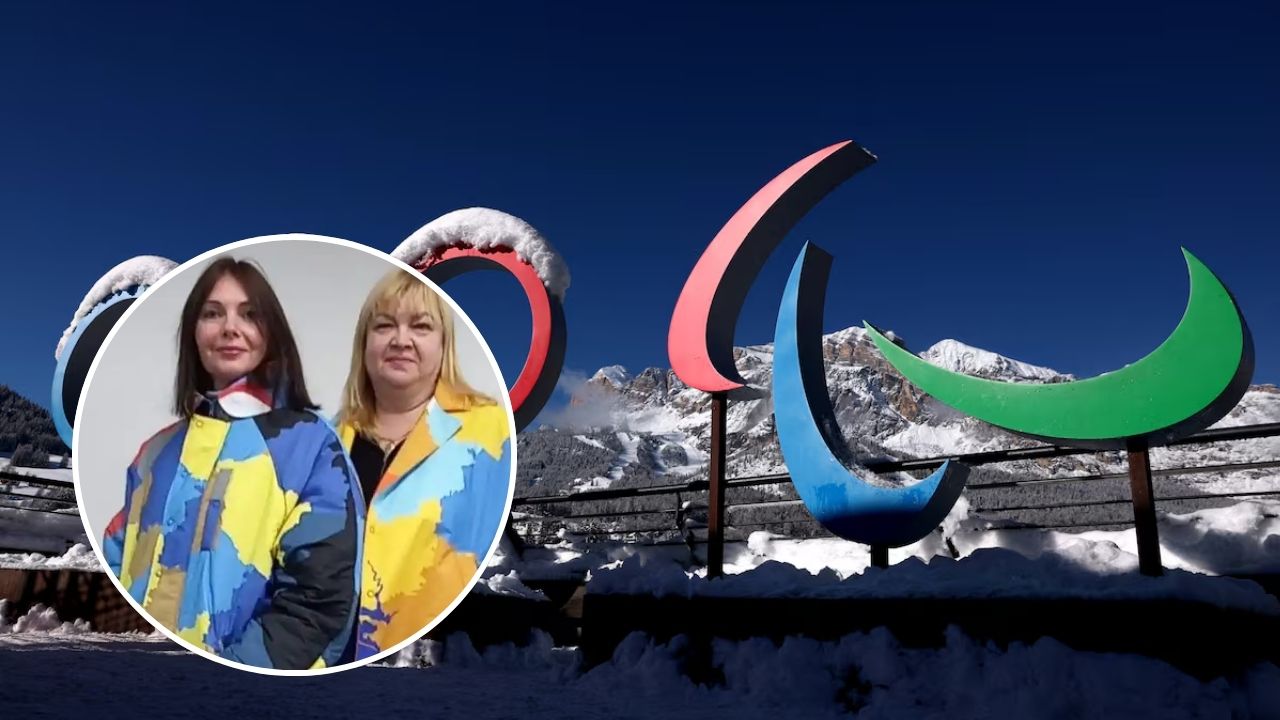
The Ukrainian Paralympic Uniform was nixed by the IPC (Image via Reuters, Screengrab via Ukrinform)
- IPC bans Ukrainian uniform featuring a 1991 map, citing political implications.
- Russia and Belarus allowed to compete under their flags, sparking controversy and boycotts.
- Baltic and Finnish broadcasters refuse to air the 2026 Paralympic opening ceremony in protest.
The International Paralympic Committee (IPC) has chosen to ban the Ukrainians from using the uniform they had planned, which reportedly featured a map of the country. The map was set to the territorial standards of 1991, when the country gained independence from the USSR following its dissolution.
The territories have changed since then, predominantly after Russia invaded and took a significant portion of the country. Valerii Sushkevych, the president of the National Paralympic Committee of Ukraine, announced that the kit, designed by Viktor Anisimov, was considered political by the International Paralympic Committee.
The International Paralympic Committee said: ‘No, no, no – this will not do!’ They claimed the kit was political. They said no one would allow us to appear in such attire. It was very beautiful, very symbolic, and very clearly shouted that Ukraine exists in the world and in Europe with all its territories, without Russian occupation.
IPC Chief Brand and Communications Officer Craig Spence confirmed that an alternative uniform was provided within 24 hours and subsequently approved by the International Paralympic Committee. Meanwhile, the delegations from Kosovo and Cyprus have maps of their territories on their flags.
The move from IPC comes amid their decision to allow Russia and Belarus to participate under their own flags and national anthems. There will be six Russian athletes and four Belarusians. The two nations were barred from doing so after Russia invaded Ukraine and Belarus’ aid, violating the Olympic Truce. This has already become quite controversial, with several NOCs boycotting the Paralympic opening ceremony, protesting against the IPC’s decision.
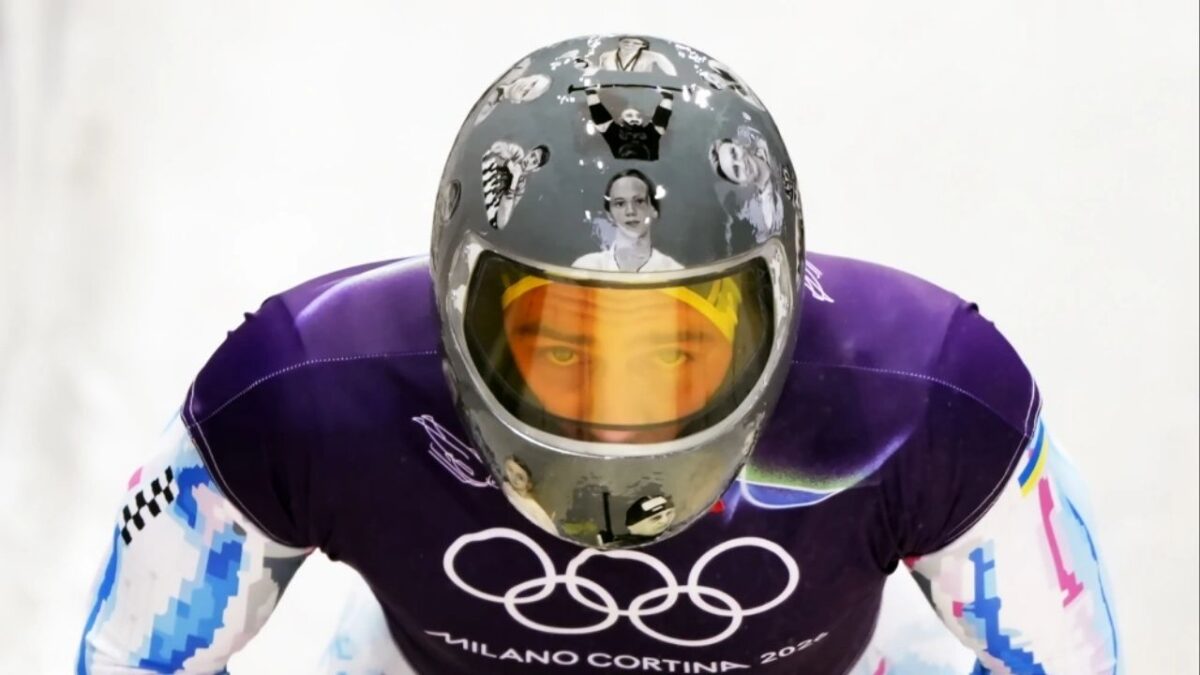
Earlier, the International Olympic Committee faced widespread uproar after a Ukrainian skeleton racer, Vladyslav Heraskevych, was banned from wearing a helmet of remembrance. He was later disqualified as he pushed through to compete with the helmet, which featured the images of the fallen athletes in the invasion. Before Heraskevych, similar sanctions were slapped on some of his contingent teammates.
Freestyle skier Kateryna Kotsar was told to remove the slogan “Be Brave Like Ukrainians” from her helmet, while short track speed skater Oleh Handei was required to modify equipment featuring a line from a poem by Ukrainian writer Lina Kostenko.
The Baltic and Finnish broadcasters take a stance against the inclusion of Russia and Belarus at the Paralympics
Lithuania’s national broadcaster, LRT, has announced it will refuse to air the opening ceremony of the 2026 Winter Paralympic Games, protesting the decision to allow Russian and Belarusian athletes to compete under their national flags. LRT will join a growing bloc of European broadcasters taking a firm editorial stand against what they describe as the normalization of aggressor states within international sport.
The decision, confirmed on March 3, came in coordination with public broadcasters in Latvia, Estonia, and Finland. LRT Deputy General Director Gytis Oganauskas stated that the network “cannot agree” with the International Paralympic Committee ruling and will join Baltic partners in declining to broadcast the ceremony.
Estonia’s public broadcaster, ERR, currently plans to air the opening and closing ceremonies with contextual reporting. However, it warned that it may withdraw coverage of competitions entirely if Russian and Belarusian athletes are permitted to compete under their flags. Furthermore, they have decided to provide audiences with context about the invasion during the broadcast.
It’s unclear if there will be any actions from the IPC’s side regarding the broadcasting boycott. Previously, during the Winter Olympics, the Swiss broadcaster RTS had to pull the website’s commentary of an Olympic bobsleigh run featuring Israel’s Adam Edelman and Chen Menachem. The commentator was quite vocal with his objection towards Edelman, whom he accused of being supportive of the country’s genocide in Palestine.
Similarly, Italian public broadcaster RAI found itself at the center of controversy after one of its commentators, during a bobsleigh event, suggested that viewers disregard the Israeli team’s run. This goes to show that politics, which sports have long tried to keep outside, has bled into the realm of sports, amid the increasing geopolitical disagreements and conflicts across the globe.
Also Read
Mohammed Bazim
(1334 Articles Published)