


(Video) Jelena Ostapenko Challenges and Questions Chair Umpire Over Video Confirmation in Controversial Scenes at Doha
Jelena Ostapenko beat Camila Osorio in straight sets at Doha.
 Follow Us
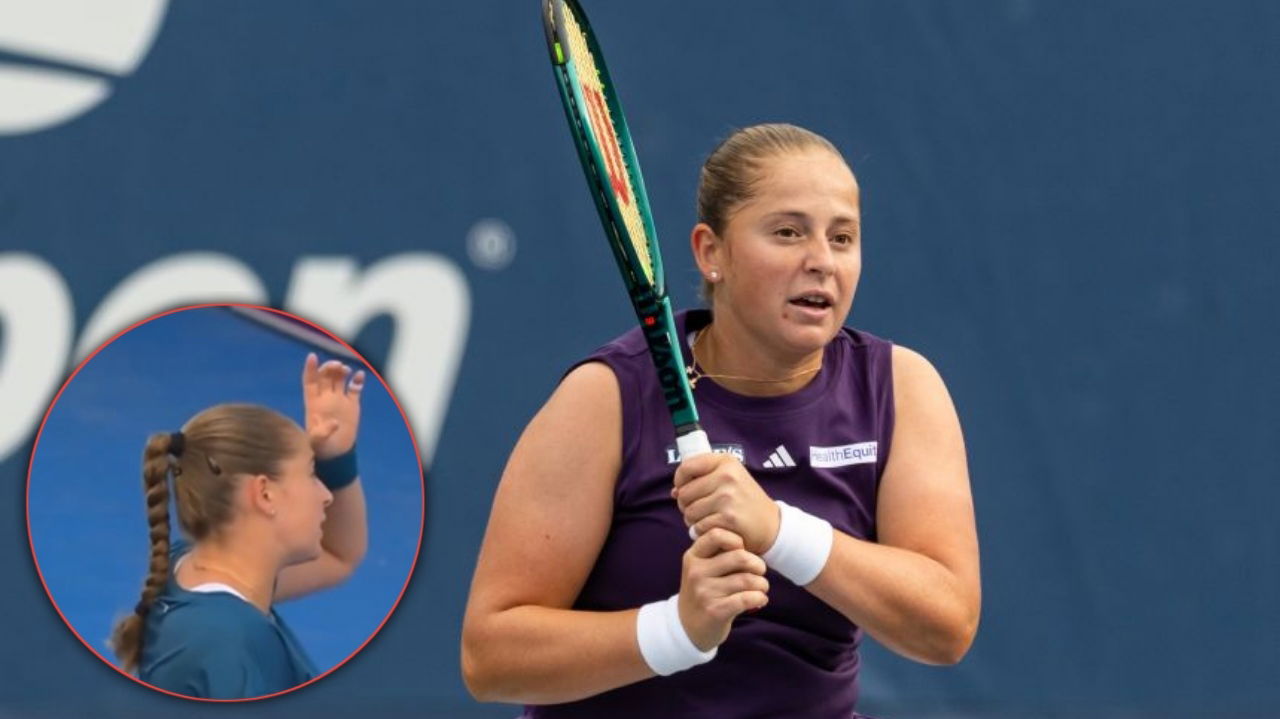
Jelena Ostapenko questioned the chair umpire (via CNN)
- Jelena Ostapenko faced controversy during her match against Camila Osorio at the Qatar Open over a disputed call involving a drop shot.
- The incident sparked a debate about the reliability of the video review system in professional tennis.
- Despite the drama, Ostapenko advanced to the quarterfinals, maintaining her status as a captivating player to watch.
If the fans bought a ticket to watch Jelena Ostapenko play, they didn’t just pay for tennis. They paid for the full experience. They paid for the blistering winners that paint the lines, the confusing unforced errors, and, inevitably, the theatrical confrontation with the chair umpire.
At the 2026 Qatar Open in Doha, the Latvian star delivered on all fronts. In a third-round clash against Colombia’s Camila Osorio, the 2017 French Open champion secured a convincing 6-3, 6-1 victory to book her spot in the quarterfinals. But if the fans look at the scoreline, they miss the story. The match was barely minutes old before Ostapenko found herself at the center of a storm involving a drop shot, a video screen, and a call that she simply refused to accept.
Penko challenged an Osorio get that was clearly not a double bounce, then disagreed with the video when the video showed it was clearly not a double bounce 😭😭😭 pic.twitter.com/dLQ0OQA7qF
— Owen (@kostekcanu) February 11, 2026
It didn’t take long for the temperature on the court to rise. In the very first game of the match, Osorio feathered a drop shot over the net. To the naked eye, the ball appeared to have bounced twice before Osorio made contact. Ostapenko immediately threw her hands up.
She demanded a video review, a technology that has become more prevalent on the WTA tour but still harbors its fair share of skeptics. The sequence played out on the stadium’s big screen. The replay rolled. The umpire watched, the crowd watched, and Ostapenko watched with hands on her hips. The verdict was that the umpire ruled the ball was good. The point went to Osorio.
The tech debate rages on
Beyond the theatrics, this incident in Doha shines a light on a conversation that has been bubbling under the surface of professional tennis for years. Is the video review system actually reliable?
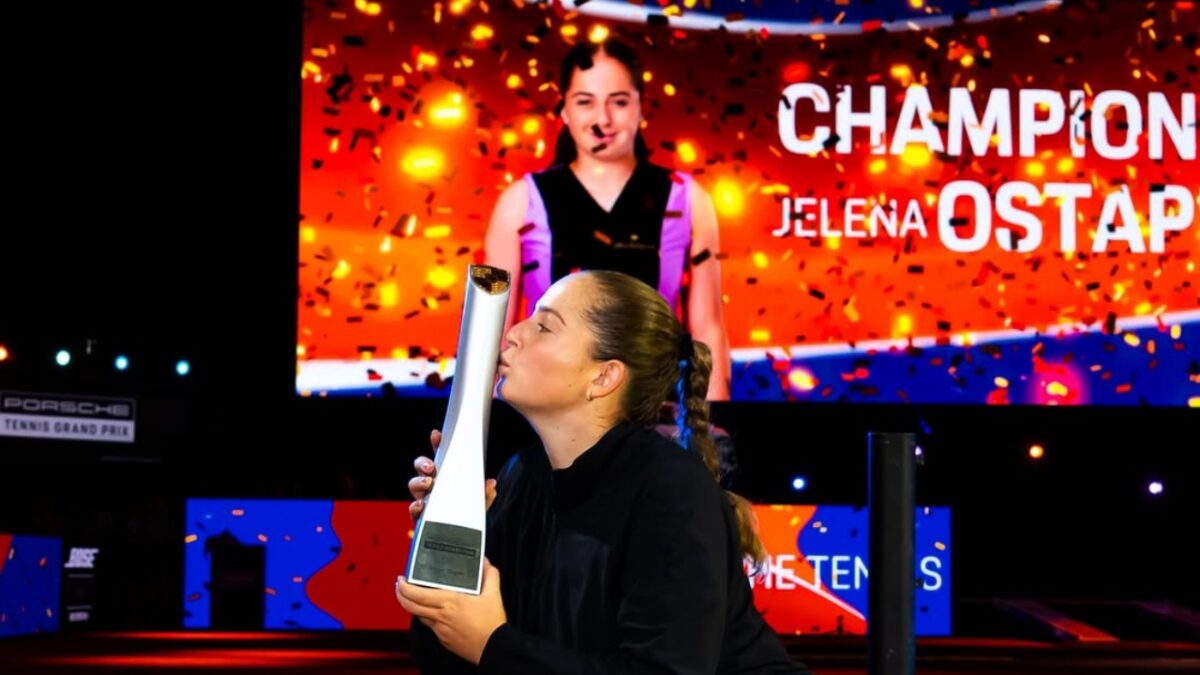
The fans have seen electronic line-calling largely eliminate arguments over “in” or “out” balls. But judgment calls—like double bounces, touches at the net, or hindrance—are still murky. Cameras can struggle with frame rates on fast, low-bouncing shots.
When Jelena Ostapenko glared at that umpire, she was voicing a frustration shared by many in the locker room. If the technology isn’t 100% distinct, players feel at the mercy of a grainy screen rather than their own instincts.
The commentary booth noted this as well, suggesting that while they want to remove human error, they might just be replacing it with digital ambiguity. However, the umpire calls continue to divide opinion even with the integration of technology.
What’s next for Jelena Ostapenko in Doha?
Despite the noise, Jelena Ostapenko is through to the final eight. This sets up a fascinating dynamic for the rest of the tournament. She is playing high-level tennis, hitting the ball as clean as anyone in the draw.
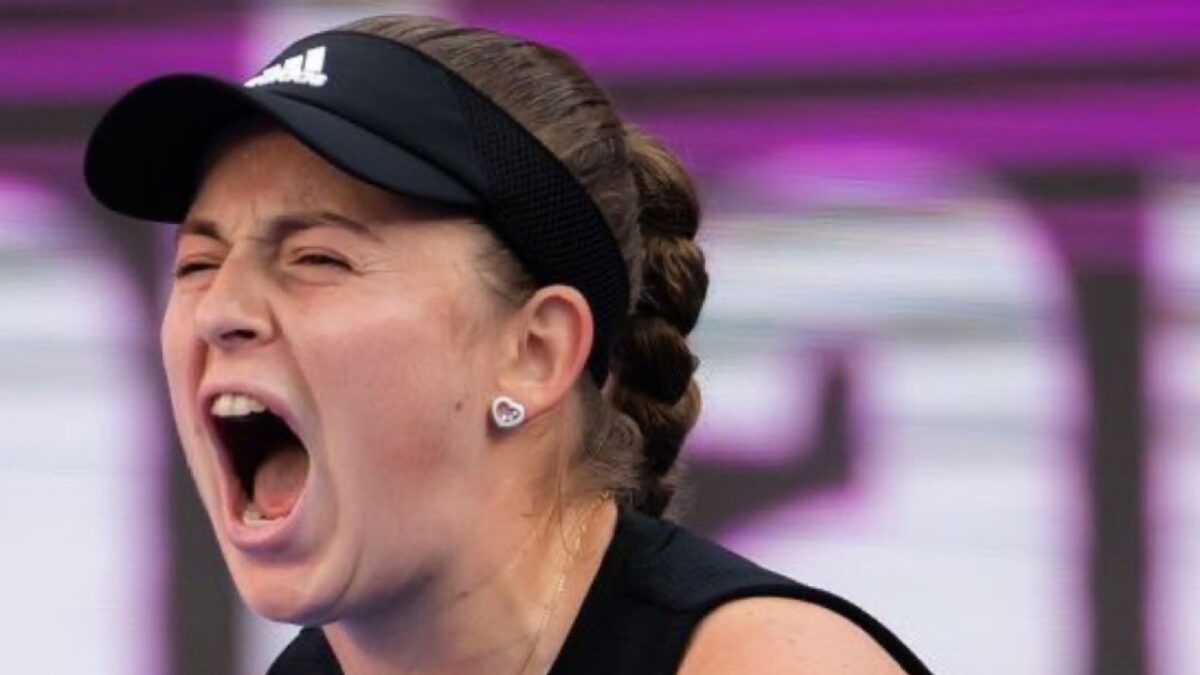
But she is also operating on a short fuse. The spotlight will be firmly fixed on her quarterfinal match, not just to see if she can win, but to see what happens if another close call goes against her.
For her opponents, it’s a double-edged sword. The fans might get a meltdown, or they might get a player who decides to hit 40 winners in an hour just to prove a point.
Also Read: ATP Star Identifies What Makes Carlos Alcaraz and Jannik Sinner Difficult to Play Against



/techfirstnow/media/agency_attachments/kATjCXskQdJKkXN0OuqW.png)