

Joao Fonseca Reveals his Learnings from Defeats to Carlos Alcaraz, Jannik Sinner and Alexander Zverev
Joao Fonseca lost in the Wimbledon third round to Roman Safiullin.
 Follow Us
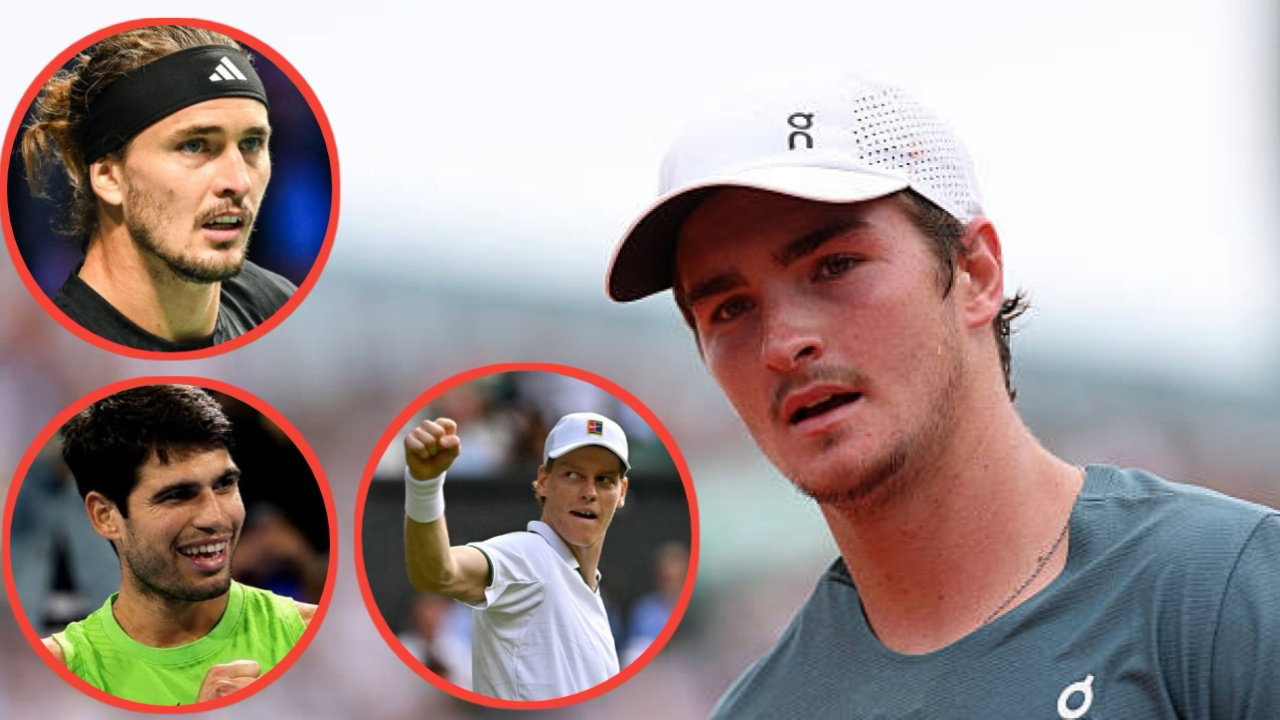
Joao Fonseca, (inset - Alexander Zverev, Carlos Alcaraz and Jannik Sinner) (via Tennishead/Tennis 365/X)
Brazilian teenage sensation Joao Fonseca received a major reality check in his quest to join the tennis elite after testing his game against the world’s very best. The rising star revealed the brutal self-criticism and massive mental shifts required to survive at the absolute peak of the ATP Tour.
The transition to a top-tier professional is notoriously unforgiving, and Fonseca’s recent encounters with Jannik Sinner, Carlos Alcaraz, and Alexander Zverev highlight exactly where the young phenom stands.
While the raw power is undeniably there, the narrow margins of defeat show that the difference between the good and the legendary isn’t found in the mechanics of a forehand, but in the mental warfare of pressure-packed moments.
I’m directly competing with them. The small details matter in those moments. Next time, I will try to improve those things.
When fans watch Fonseca step onto a court, it is easy to see why they are buzzing. He has that rare, explosive ball-striking ability that makes opponents look like they are playing in slow motion. But tennis at the very top is a psychological chessboard, and the Brazilian learned that the hard way during his clay and hardcourt campaigns.
Facing Alexander Zverev at the ATP Masters 1000 in Monte Carlo was a prime example of the razor-thin margins that define elite tennis. Fonseca went toe-to-toe with the towering German, matching him blow for blow from the baseline.
Yet, when the dust settled, Zverev walked away with the victory. It wasn’t because Zverev hit harder or ran faster; it was because he knew exactly what to do when the scoreboard read 30-30 or deuce.
Why mentality and body language dictate the match
One of the most fascinating revelations from Joao Fonseca’s self-analysis was his focus on what happens between the points. In professional sports, opponents smell fear. Fonseca added:
The composure wasn’t very good. Not showing discomfort, lifting your head, and moving forward.
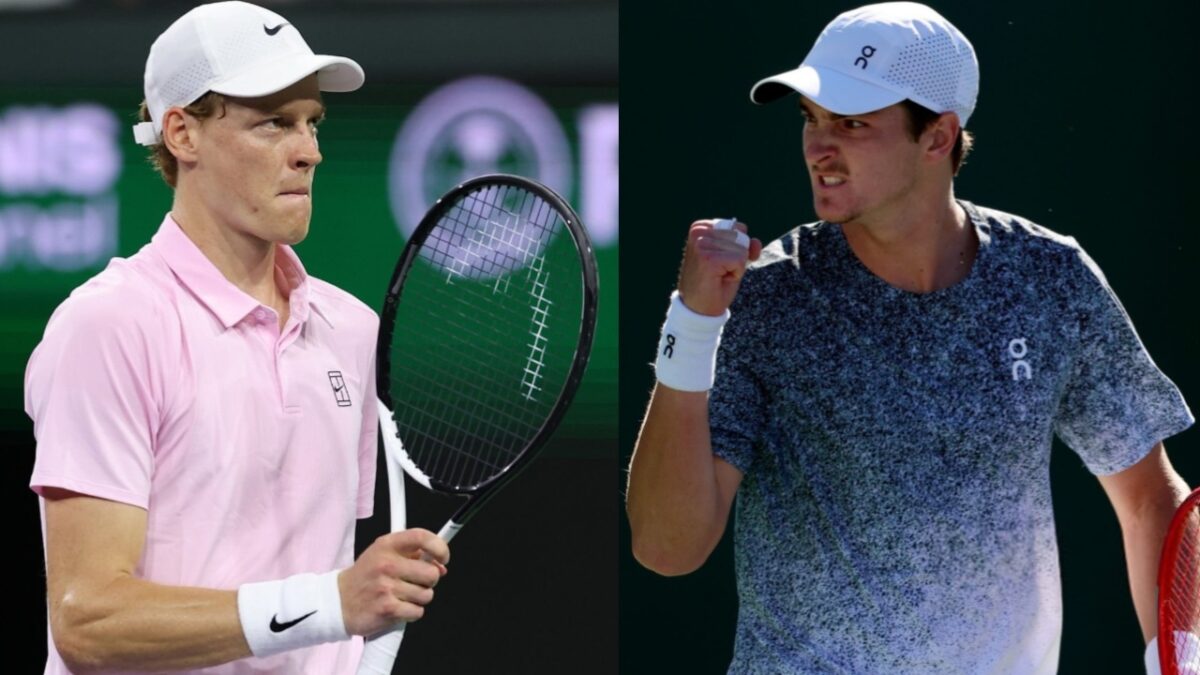
This focus on body language is a sign of immense maturity. When Jannik Sinner or Carlos Alcaraz misses a shot, their physical posture rarely changes. They reset, bounce the ball, and prepare for the next point as if the previous error never occurred. Fonseca realizes that to beat them, he must mimic that stoic, unbreakable armor.
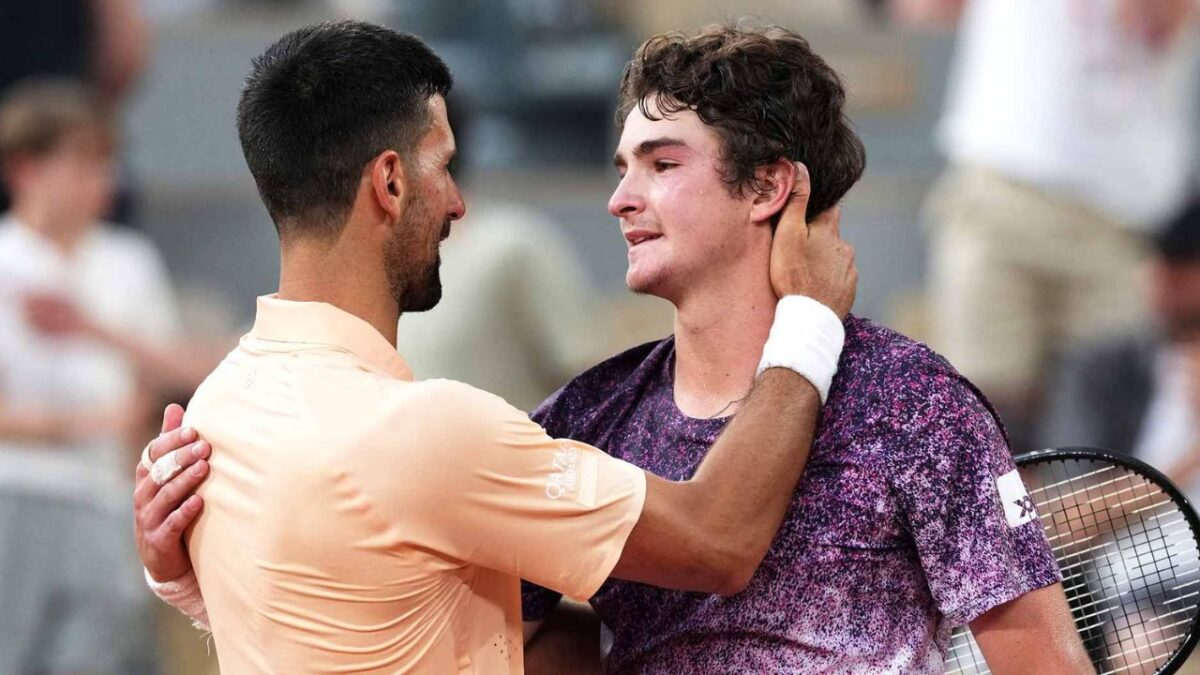
Fonseca lost at Indian Wells to Sinner, at Miami to Alcaraz, and at Monte Carlo to Zverev. While these defeats stung, they paved the way for his spectacular run at Roland Garros, where he stunned the tennis world by knocking out Novak Djokovic and Casper Ruud to reach the quarterfinals.
What lies ahead on the North American hardcourts
With the grass-court season wrapped up and a solid foundation built, Fonseca has returned home to Brazil to recharge his batteries before embarking on the demanding North American hardcourt swing. Currently ranked World No. 27, he is no longer a dark horse lurking in the qualifiers. Instead, he is a seeded threat that everyone wants to avoid.
His next major test will be the Canadian Open, a tournament where he exited in the opening round last year. This time around, armed with the lessons of Monte Carlo, the confidence of a Roland Garros quarterfinal run, and a deeply refined mental approach, Fonseca has a prime opportunity to secure his first match wins in Canada and build serious momentum ahead of the US Open.
Fonseca is currently navigating his second full year as a professional. Instead of crumbling under the sophomore slump, he is using the pressure to forge a steelier competitive identity.
Also Read: Alex Corretja Believes Carlos Alcaraz’s Absence Has Made the ATP “An Absolute Hell”
Fahad Hamid
(1769 Articles Published)