

Maria Sharapova Shows True Colors on the ‘Bi**h’ Tag that Followed her Tennis Career
Maria Sharapova retired from professional tennis in 2020.
 Follow Us

Maria Sharapova (Image via Instagram/Maria Sharapova)
- Maria Sharapova launched a new platform to challenge double standards faced by ambitious women.
- She reflects on being labeled "the ice queen" and how it affected her career perception.
- Sharapova advocates for recognizing mental resilience in women, arguing it should not be seen as a flaw.
The tennis world received a major update from one of its most polarizing and dominant figures this week. Maria Sharapova officially launched a new platform aimed at shattering the double standards ambitious women face, taking direct aim at the labels that trailed her throughout her legendary career.
In a sports and business landscape that often demands women to be warm, fuzzy, and endlessly approachable, Sharapova’s unapologetic embrace of her cutthroat competitive nature is a massive momentum shift.
According to a candid essay published on The Ankler and her newly minted Substack, “Pretty Tough,” the five-time Grand Slam champion revealed that the negative tags started when she was just a teenager and have followed her from the baseline to the boardroom.
I was early in my career — maybe even a teenager still — when I was labeled with “the ice queen” moniker that followed me for the rest of my tennis playing days. The idea that I was cold and aloof was so ubiquitous by the peak of my career that I was once asked on late-night television why I thought I’d earned “a reputation for being kind of a b*tch.
Sharapova noted that the idea she was cold and aloof was so ubiquitous during her playing days that she was once asked on late-night television why she thought she had earned a reputation for being difficult. It was a theme that reemerged when she retired, with headlines suggesting she was a champion who was more respected than actually loved. Now, she is flipping the script, arguing that mental resilience and relentless drive are universal traits of success, not gendered flaws.
An origin story built on grit
Someone doesn’t get to be a five-time major champion by worrying about whether the locker room thinks she’s nice. Maria Sharapova’s origin story is practically an action movie script.
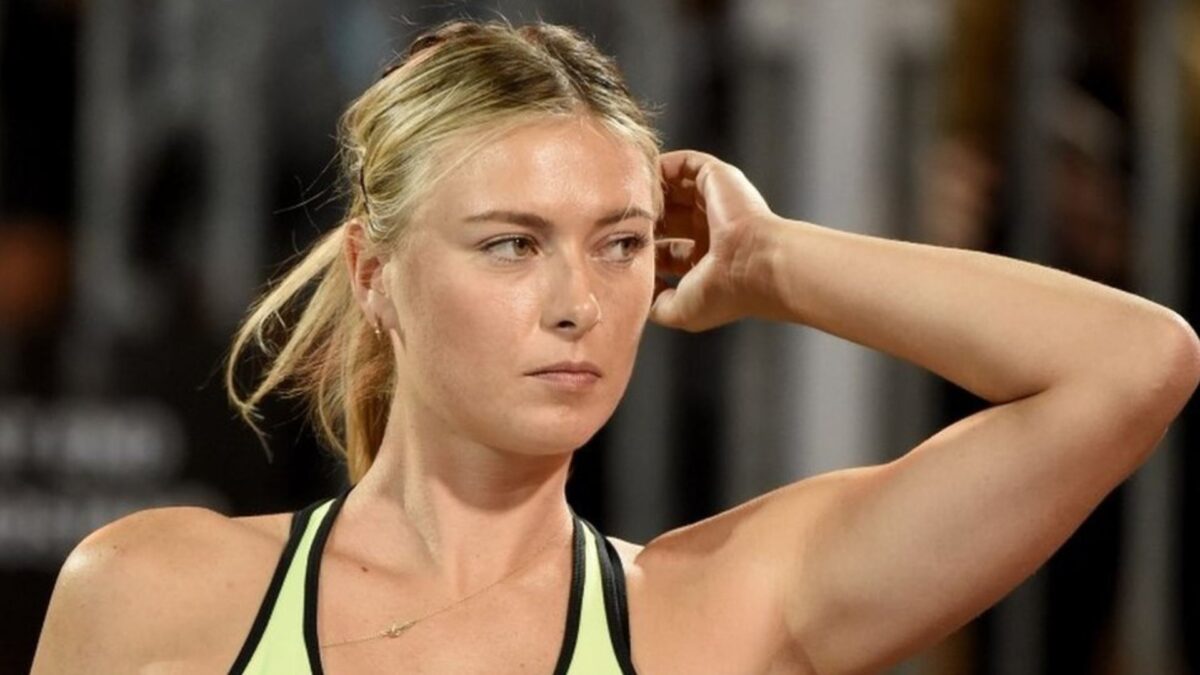
At just six years old, she and her father left Russia for the United States with only a couple of hundred dollars to their name. They left everything behind, including her mother, who couldn’t join them for another two years due to visa restrictions.
That kind of immense sacrifice places a heavy burden on a kid’s shoulders. Sharapova knew from day one that she had to deliver on her family’s massive gamble. She kept her head down, kept her eyes squarely on the prize, and kept to herself.
She didn’t have the luxury of treating the pro tour like a social club. Her intense persona and singular focus on winning soon became her entire brand. But instead of being universally lauded for her incredible work ethic, her ruthless competitiveness was frequently mistaken for a lack of geniality.
From center court to the C-Suite
Today, Maria Sharapova is 39 years old, an Olympic medalist, an inductee into the International Tennis Hall of Fame, and a wildly successful investor backing massive brands like Supergoop!, Tonal, and MoonPay. But even as she traded her tennis skirts for boardroom attire, she noticed the same critical lens following her.
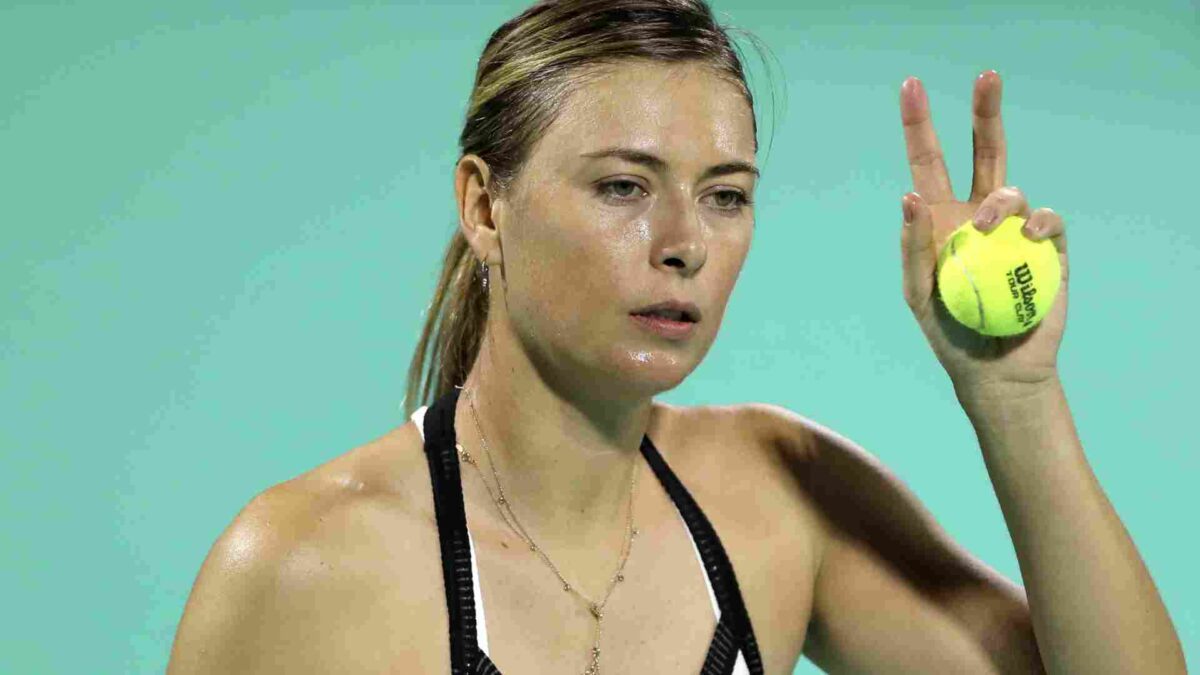
In the corporate world, she realized that conversations around female achievement almost always require some level of emotional accessibility. While vulnerability has its place, Sharapova argues that it shouldn’t be a prerequisite for all women pursuing greatness.
Sharapova isn’t just speaking for herself anymore. She has recognized that 94 percent of women in C-suite positions have backgrounds in competitive sports. These are women who know exactly what it takes to win. They have the same relentless drive that propelled Sharapova to the top of the WTA rankings.
Also Read: Carlos Alcaraz Sparks Injury Concerns Ahead of Roland Garros After Showing Bandaged Arm
Fahad Hamid
(1769 Articles Published)