

Rafael Nadal Steps into the Prize Money War as Players Fight for the Sport’s Ultimate Revenue Pie
Rafael Nadal retired from professional tennis in October 2024.
 Follow Us
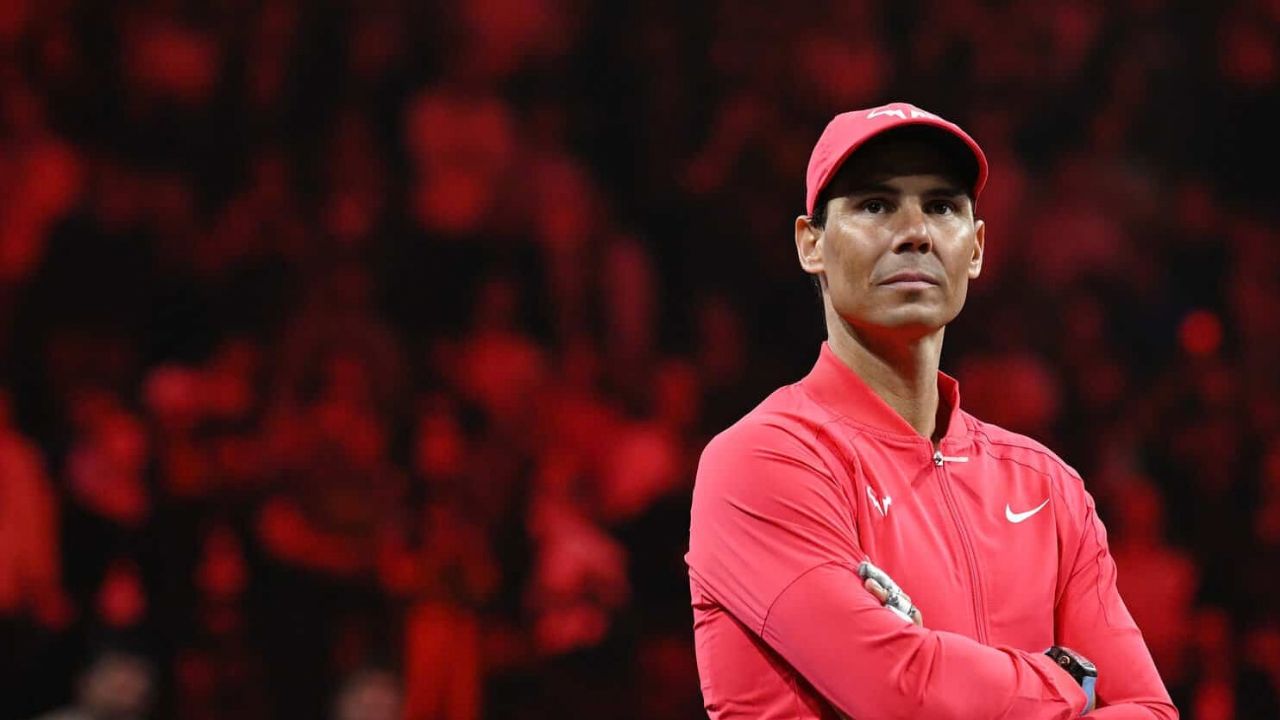
Rafael Nadal (Image via The Citizen)
Rafael Nadal stepped directly into the escalating prize-money war to give touring professionals a blunt piece of his mind about their financial demands at Grand Slam events.
The 22-time major winner broke his silence on the multi-million-dollar tug-of-war, telling players that while their frustrations are understandable, their aggressive push to automatically skim revenue straight from tournament organizers’ pockets ignores basic economic realities.
Nadal took a highly nuanced but ultimately conservative stance against the player faction pushing for a wholesale restructuring of Grand Slam economics.
The Spanish icon explicitly rejected the idea that tournaments should share gross revenues directly with athletes, as in American franchise leagues like the NBA or NFL. Instead, Nadal urged players to abandon their revolution in favor of steady, contractual baseline bumps that protect both sides of the equation over the long haul. Nadal said on UniversTennis:
Now that I’m no longer a player, I think the players are right on some points, but not on everything. Players arrive at the tournament, play, receive their prize money and then go home. The tournaments, on the other hand, invest all year to prepare for this or these two weeks of competition. I don’t think players should share tournament revenue. I think the players need to reach an agreement with the Grand Slams. Say: ‘I want my prize money to increase by 5%, 10%, 15% or 3% every year.’ The percentage doesn’t matter, but an agreement must be reached.
This development matters immensely because it represents a philosophical fault line in tennis at a moment of peak player militancy. For the past year, the locker room has been simmering, with top-tier singles stars demanding bigger slices of the financial pie at the four majors, while lower-ranked doubles specialists face an existential threat to their livelihoods due to sweeping structural cuts to the tour. He added:
The Grand Slams commit to increasing the prize money by a certain percentage each year. This would be fair for the players, fair for the tournaments. And once this agreement is signed, sign it for ten years to ensure ten years of peace of mind. The Grand Slams have a huge advantage because there are only four of them per year…The Grand Slams are increasing prize money year after year in a substantial way. If you look at what players were earning 15 years ago and what they are earning today, the increase is far greater, as a percentage, than that of almost any other profession. Players also need to recognize that.
Rather than chasing an elusive revenue-sharing model, Nadal proposed a pragmatic, corporate truce: locking in fixed annual percentage increases across a ten-year window. He suggested that whether the figure is 3%, 5%, or 15%, a long-term contractual commitment would guarantee a decade of administrative tranquility, allowing players to plan their futures while keeping tournaments financially predictable.
Inside the Wimbledon ceasefire and Aryna Sabalenka’s media boycott
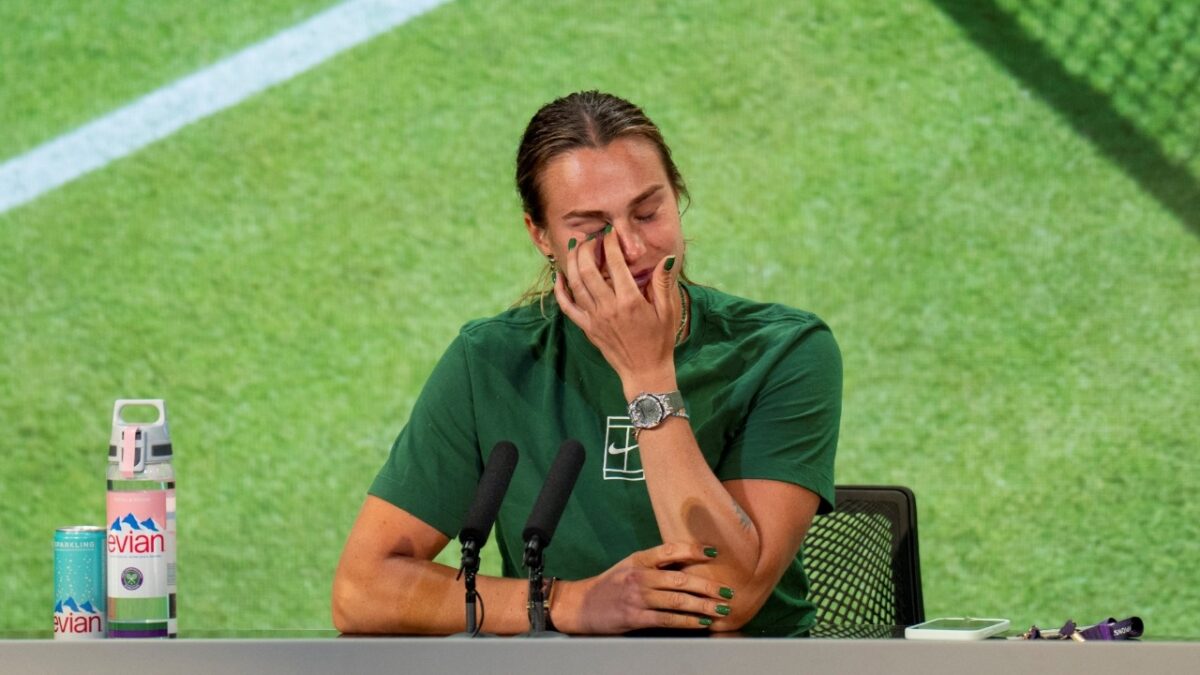
Rafael Nadal’s corporate pragmatism stands in stark contrast to the sheer disruption that has unfolded on the ground over the summer. As reported by The Guardian, the top men’s and women’s players only recently brokered an incredibly tense, fragile truce with the All England Club to prevent a full-blown PR crisis from consuming the grass-court championships. Led by women’s world No. 1 Aryna Sabalenka, players had been executing a calculated escalation of a dispute that traces back to a formal demand submission in July 2025.

To force the hands of the four majors, players initiated a coordinated protest at the French Open, strictly capping their pre-tournament media day appearances at a rigid 15 minutes. Last week, representatives shocked executives by threatening to extend that media blackout through the entire first week of the tournament. It was an unprecedented exercise of player labor leverage, forcing the All England Club’s leadership into emergency weekend crisis talks just before the main draws got underway.
While a temporary agreement was reached—restoring normal media duties—the underlying math shows just how deep the canyon remains between what tournaments offer and what athletes demand. Wimbledon rolled out a record-breaking £64.2 million prize pool, representing a massive 20% jump from the previous year. Yet the players flatly rejected the gesture as insufficient, noting that it still fell nearly £7 million short of their £71 million valuation.
The core of the dispute lies in the revenue split percentage. While standard ATP and WTA tour events regularly allocate roughly 22% of gross tournament revenues back into player compensation, the Grand Slams keep those numbers much tighter.
Wimbledon’s historic distribution sits at a modest 14.4%, and the touring professionals are drawing a hard line in the grass, demanding that the figure be lifted to at least 16%. Outgoing AELTC Chief Executive Sally Bolton welcomed the media truce, stating that the club has requested detailed financial models from the players’ representative, former WTA chief Larry Scott, to resume formal negotiations once the tournament concludes.
The doubles revolt: Fighting against a “Carnival Sideshow” fate
While singles superstars use their media gravity to squeeze more millions out of the Grand Slams, a separate, far more desperate economic tragedy is playing out on the standard ATP circuit. According to a blistering Associated Press report from London, the world’s leading doubles specialists have issued a scathing, unified condemnation of the ATP Tour following the unveiling of a catastrophic restructuring plan slated for 2028.
The executive branch of the men’s tour has proposed slicing doubles prize money allocations completely in half, gutting the current 20% pool down to a measly 10%, while simultaneously slashing draw sizes across the calendar.
Under the radical new framework, prestigious Masters 1000 events would see their doubles draws whittled down to just 16 teams, while standard ATP 500 and 250 tournaments would be whittled down to a tiny, eight-team bracket.
To make matters worse for the specialists, the ATP plans to hand automatic Challenger-level entries to singles players over dedicated doubles competitors. The announcement sent shockwaves through the locker room, prompting an explosive collective statement from the doubles field.
Current world No. 1 doubles star Harri Heliovaara, who captured the Wimbledon doubles crown, spoke candidly about the fear gripping his peers. The ATP has defended the aggressive cuts by framing them as an optimization strategy, claiming that suppressing doubles payouts will allow them to boost early-round singles prize money, thereby helping low-ranked singles competitors offset the crushing, escalating costs of international travel and coaching staff.
The doubles contingent has struck back at that rationale, blaming their lagging television numbers and poor ticket sales entirely on the corporate suites. The players openly accused the ATP of lackluster marketing, a total failure to exploit broadcast partnerships, and fundamentally broken event promotion. They argued that doubles has always been a fundamental piece of tennis’s soul, famously elevated by icons like Serena and Venus Williams, rather than some discount, disposable version of the sport.
Also Read: Naomi Osaka Reveals if She Will Bring her Iconic Outfits Outside of Grand Slams
Fahad Hamid
(1769 Articles Published)