

Aryna Sabalenka Warns of Potential Grand Slam Boycott Over Prize Money Dispute
Aryna Sabalenka is hoping to win her first clay title of the season in Rome.
 Follow Us
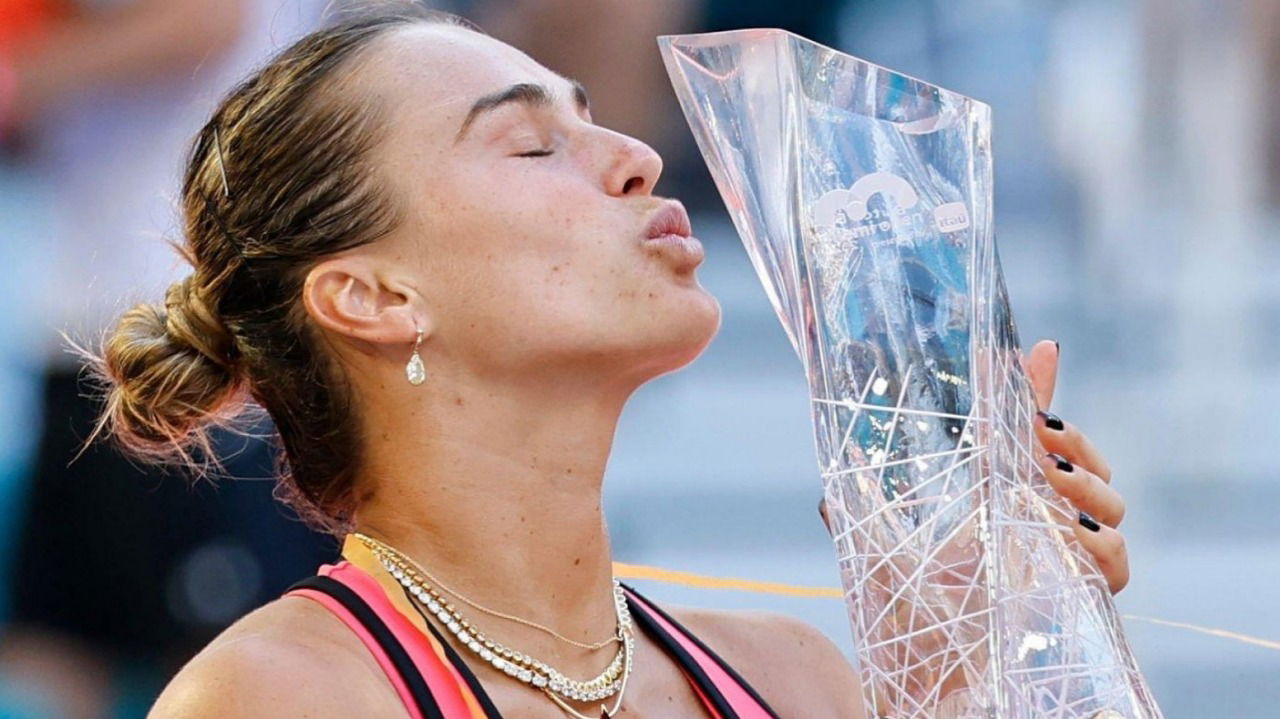
Aryna Sabalenka (Image via X/Tiempo De Tenis)
- Aryna Sabalenka warns of a potential boycott of Grand Slam tournaments over prize money disputes.
- Top players argue that their share of tournament revenue is declining despite nominal increases in overall prize pools.
- The French Open's prize money announcement has intensified calls for better revenue sharing and athlete representation.
World No. 1 Aryna Sabalenka has issued a stark warning to the tennis establishment, stating that top players may be forced to boycott future Grand Slam tournaments if their demands for a fairer share of tournament revenues are not met. The dispute centers on the fundamental distribution of wealth at the sport’s most lucrative events.
While overall prize pools at the majors have seen nominal year-over-year increases, the world’s elite players argue that the actual percentage of total tournament revenue allocated to athletes is shrinking.
This growing frustration reached a boiling point following the recent announcement of prize money for the upcoming French Open, prompting unprecedented public pushback from both the ATP and WTA locker rooms.
The Belarusian star did not mince words during a media briefing at the Italian Open in Rome. Speaking on her 26th birthday, Sabalenka made it clear that taking drastic collective action is becoming a genuine possibility if tournament organizers continue to dismiss the players’ economic concerns. Sabalenka said in her press conference:
Without us, there wouldn’t be a tournament, and there wouldn’t be that entertainment. I feel like definitely we deserve to be paid more percentage. I think at some point we will boycott it. I feel like that’s going to be the only way to fight for our rights. I feel like the show is on us. I feel like without us, there would not be a tournament and there would not be that entertainment. I feel like definitely we deserve to be paid more percentage.
"At some point". 🗣️
— BBC Sport (@BBCSport) May 5, 2026
World number one Aryna Sabalenka believes players will boycott a Grand Slam over prize money. pic.twitter.com/dsQeoVvK8d
While Sabalenka is willing to put a boycott on the table, other top players are taking a slightly more measured public stance while still demanding change. Four-time French Open champion Iga Swiatek agreed that higher prize money and better revenue splits are necessary, but she prefers a diplomatic resolution over a strike.
The core of the dispute
The immediate catalyst for this public frustration is the financial structure of the 2024 French Open. Last month, Roland Garros organizers announced they were increasing the overall prize money pot by approximately 10 percent, bringing the total to 61.7 million euros (roughly $67.1 million). This represented a 5.3 million-euro bump from the previous year’s tournament.
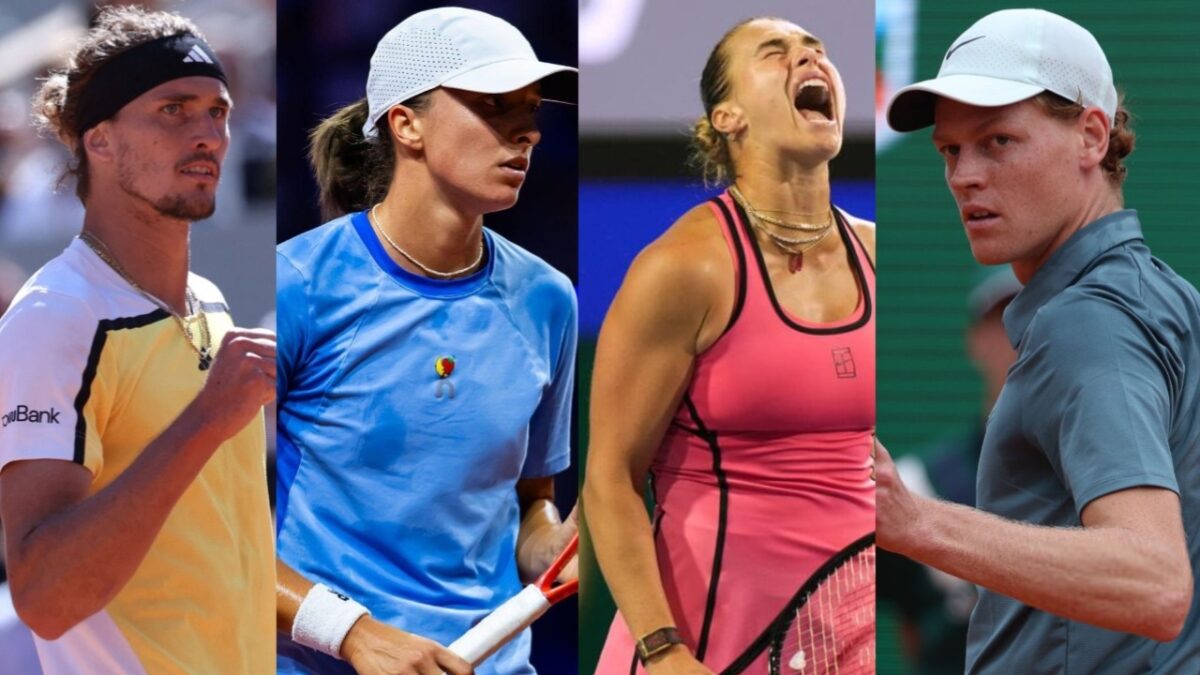
However, the athletes are looking past the headline numbers. Aryna Sabalenka and fellow World No. 1 Jannik Sinner were among a core group of leading players who issued a joint statement expressing “deep disappointment” over the Paris payout structure.
The players assert that the underlying financial figures reveal a troubling trend. According to their statement, the players’ share of Roland Garros tournament revenue has actually declined from 15.5 percent in 2019 to a projected 14.9 percent in 2024.
This drop in revenue sharing is the crux of the issue. The players are not just asking for bigger winner’s checks; they are demanding a modernized partnership model with the four majors. Beyond direct compensation, top-tier athletes are also pushing for better representation at the negotiating table, comprehensive health options, and robust pension plans from the Australian Open, French Open, Wimbledon, and the U.S. Open.
The financial landscape of Grand Slam Tennis
The situation at Roland Garros stands in contrast to some of the other majors, though players argue that all four Grand Slams need to fundamentally alter their revenue-sharing models.
For context, the prize pool at last year’s U.S. Open saw a massive 20 percent increase, pushing total compensation to historic highs. Similarly, the Australian Open in January bumped its prize money by almost 16 percent.
Yet, even with these double-digit percentage increases, the athletes maintain that the Grand Slams generate hundreds of millions of dollars in broadcast rights, sponsorships, and ticketing revenues that far outpace the year-over-year bumps in player compensation.
The sport now finds itself at a critical juncture. The athletes recognize their intrinsic value to the product. As Sabalenka pointed out, fans pay to see the players, and without the world’s best taking the court, the Grand Slams’ massive revenue engines would grind to an immediate halt.
With the French Open fast approaching and tensions simmering, the immediate focus shifts to the negotiation table. Wimbledon is scheduled to announce its prize money allocations in June, and the All England Club will undoubtedly be watching the fallout from the Roland Garros dispute closely.
If the Grand Slam boards refuse to open their books and negotiate a higher share of total revenue for the athletes, the sport could face a historic, financially devastating disruption on its biggest stages.
Also Read: Rafael Nadal Not Tempted to Try His Hands at Motor Racing: “I’m Not Brave Enough”
Fahad Hamid
(1769 Articles Published)