

Coco Gauff Responds to Aryna Sabalenka’s Comments on Potential Grand Slam Boycott Over Prize Money Dispute
Aryna Sabalenka had sounded off a warning to tournament organizers recently.
 Follow Us
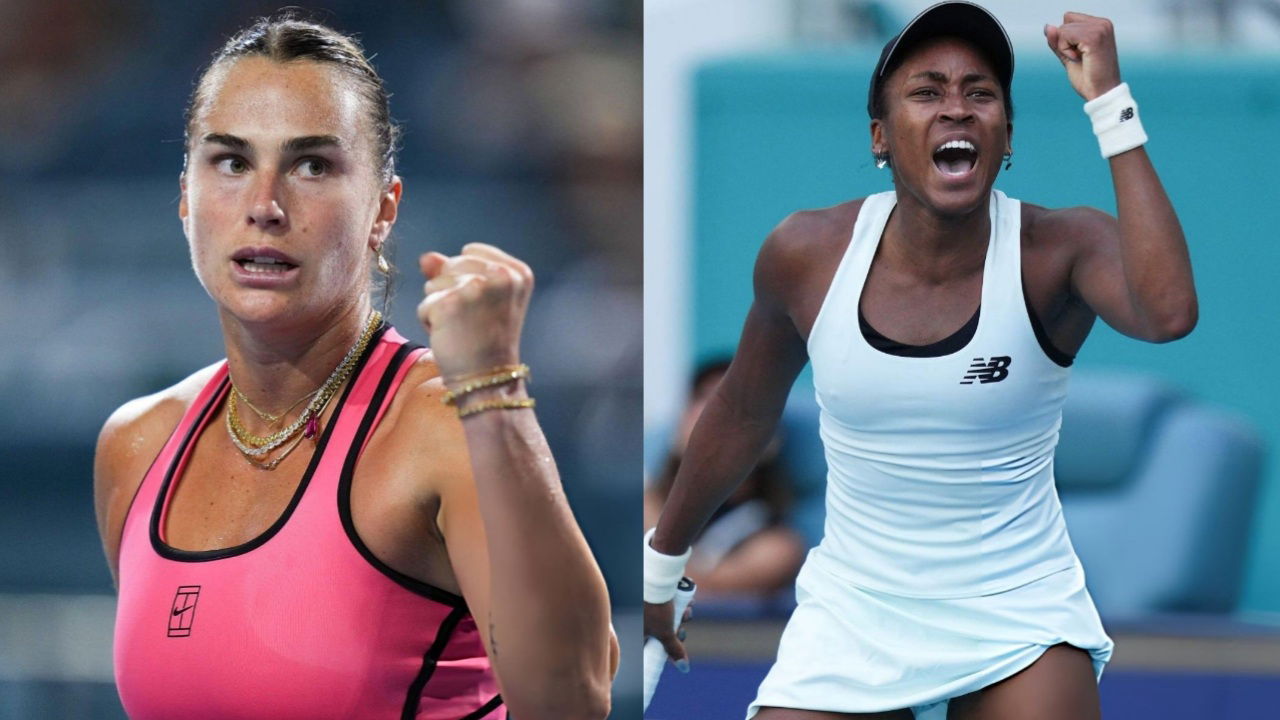
Aryna Sabalenka and Coco Gauff (via X/The Tennis Letter)
- Coco Gauff and Aryna Sabalenka are considering a Grand Slam boycott over prize money disputes.
- Players are demanding a 22% revenue share, significantly higher than the current allocation.
- Gauff emphasizes the need for unionization to improve player compensation and collective bargaining power.
The professional tennis landscape is facing a potential seismic shift ahead of the French Open, with top-ranked stars Aryna Sabalenka and Coco Gauff publicly floating the idea of a Grand Slam boycott if tournament organizers refuse to increase the players’ share of event revenues.
The escalating dispute centers on the percentage of tournament income allocated to the athletes who drive the sport’s massive global viewership.
While Grand Slam events like Roland Garros are generating record-breaking profits and investing heavily in infrastructure, the player compensation pool remains disproportionately low compared to other major professional sports, prompting the sport’s biggest names to consider unprecedented collective action. The idea of the Grand Slam boycott was started by Sabalenka and given approval by Gauff.
To illustrate her point, Gauff pointed to the recent labor victories achieved by women in North American basketball. She specifically cited the WNBA, noting that its players used their union to hold out during lengthy collective bargaining negotiations, ultimately securing improved benefits and a revenue-sharing model that vastly improved their financial standing. Gauff argued that to make massive progress in tennis, the players must become unionized in some capacity. Gauff said in her press conference:
Yeah, honestly, I kind of agree with that, just taking what the WNBA kind of accomplished. They also have a union, so I think that helps. I definitely think, from the things I’ve seen with other sports, usually to make massive progress and things like this, it takes a union. Yeah, we have to become unionized in some way. Yeah, I mean, I think you can put pressure on media, media pressure and things like that. For all of us showing up everyone’s going to act as normal. I definitely agree with her on that standpoint. I think a few other players agree too.
In major American sports leagues like the NFL, NBA, and MLB, players typically receive roughly 50% of league revenue. Tennis players find themselves at a distinct disadvantage during negotiations because they are independent contractors dealing with four separate, highly powerful national federations rather than a singular overarching league ownership group.
Despite these structural hurdles, Gauff remains optimistic that the current generation of top-tier talent is communicating better than ever before, marking a significant step toward collective bargaining power.
The financial disconnect at Roland Garros
The frustration reached a boiling point over the weekend when a group of 20 leading players, including Sabalenka, Gauff, Jannik Sinner, and Carlos Alcaraz, expressed their collective disappointment regarding the prize money distribution for the upcoming French Open. French Open organizers recently announced a 9.5 percent increase in the overall prize pool for the 2026 tournament, bringing the total to €61.7 million ($72.3 million).
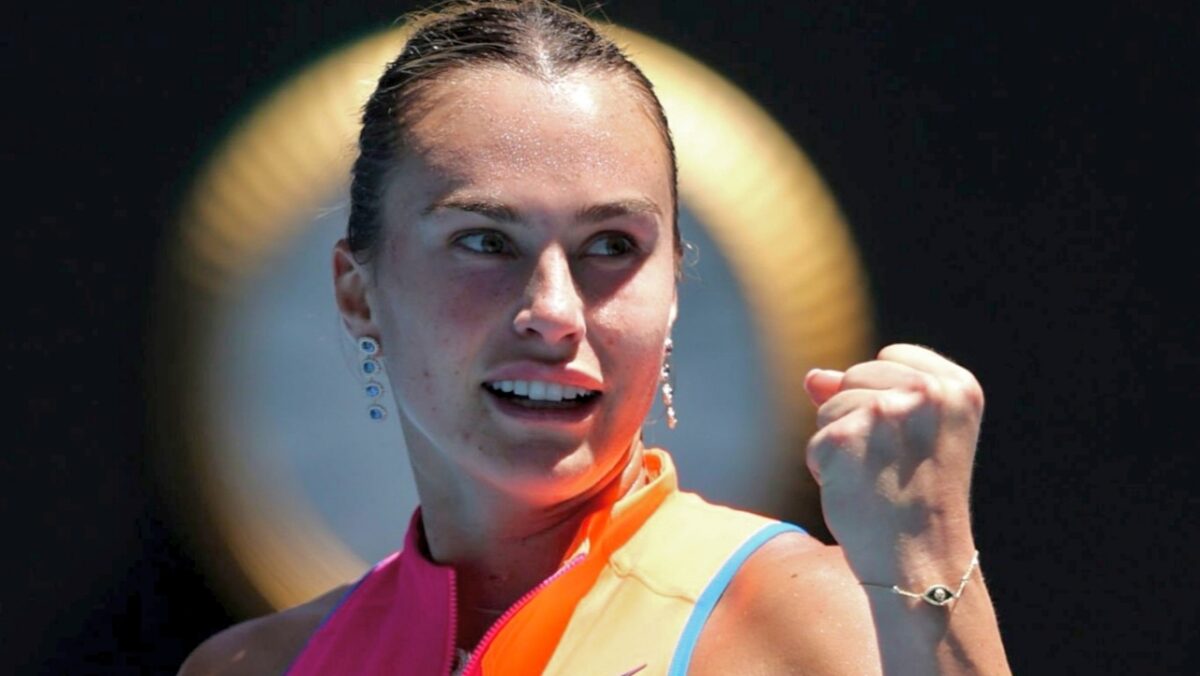
While a jump in total compensation looks positive on paper, the underlying mathematics paint a different picture for the athletes. The players estimate that this increased purse will account for less than 15 percent of Roland Garros’s projected revenues of over €400 million.
This figure falls far short of the 22 percent revenue share that players have formally requested to bring the four Grand Slam tournaments in line with the compensation models seen at combined ATP and WTA 1000 events, such as Indian Wells and the Italian Open.
Sabalenka did not mince words when addressing the discrepancy. The world number one made it clear that the athletes are the primary draw and deserve a financial structure that reflects their value. She noted that without the players, there is no tournament and no entertainment product to sell to broadcasters and fans.
Sabalenka stated that a boycott might eventually become the only viable avenue for players to fight for their rights, pointing out that female players today can easily mobilize to address systemic unfairness.
The ranking pressure for Coco Gauff
Amid the intense political posturing off the court, Coco Gauff is also navigating immense pressure between the lines at the Italian Open. The American star is locked in a fierce battle to maintain her world number four ranking.
Slipping down the WTA ladder in Rome would have immediate and severe consequences for her trajectory in Paris, potentially resulting in a much tougher draw and earlier matchups against Aryna Sabalenka, Elena Rybakina, or Iga Swiatek at Roland Garros.
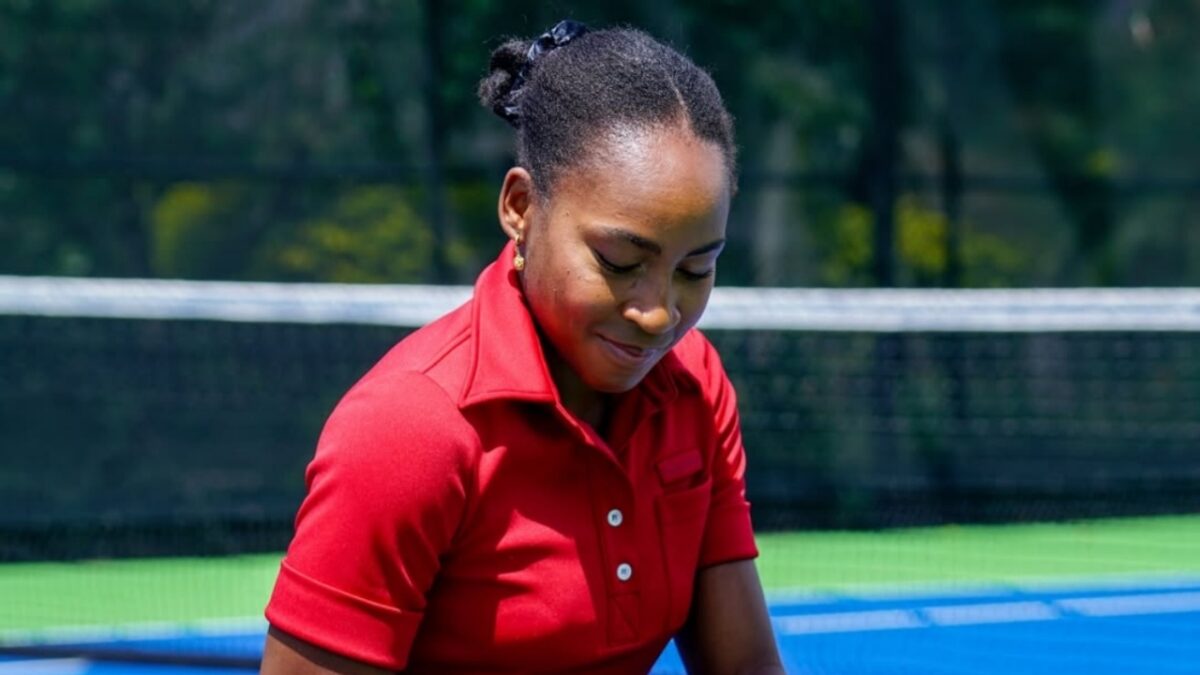
Balancing the mental fatigue of high-stakes tournament play with her vocal leadership in the ongoing labor dispute highlights the heavy burden Gauff currently carries. She is fighting for her own immediate competitive advantage while simultaneously laying the groundwork to leave the sport’s financial structure in a better place for future generations of athletes.
As the tour packs up in Rome and sets its sights on the clay courts of Paris, the tension between the locker room and tournament executives is palpable. French Tennis Federation officials maintain that their non-profit model requires them to reinvest revenues into grassroots development, infrastructure, and international tennis programs.
However, with superstars like Sabalenka and Gauff keeping the threat of a work stoppage alive, the pressure is squarely on the Grand Slams to offer a meaningful compromise. What happens over the next few weeks of backdoor meetings and player council discussions will likely determine not just the mood at this year’s French Open, but the financial future of professional tennis.
Fahad Hamid
(1769 Articles Published)