

Jannik Sinner Signals Escalation in Prize Money Dispute As Players Limit Media Time at Roland Garros
With the withdrawal of Carlos Alcaraz, Jannik Sinner is the favorite to win the 2026 French Open.
 Follow Us
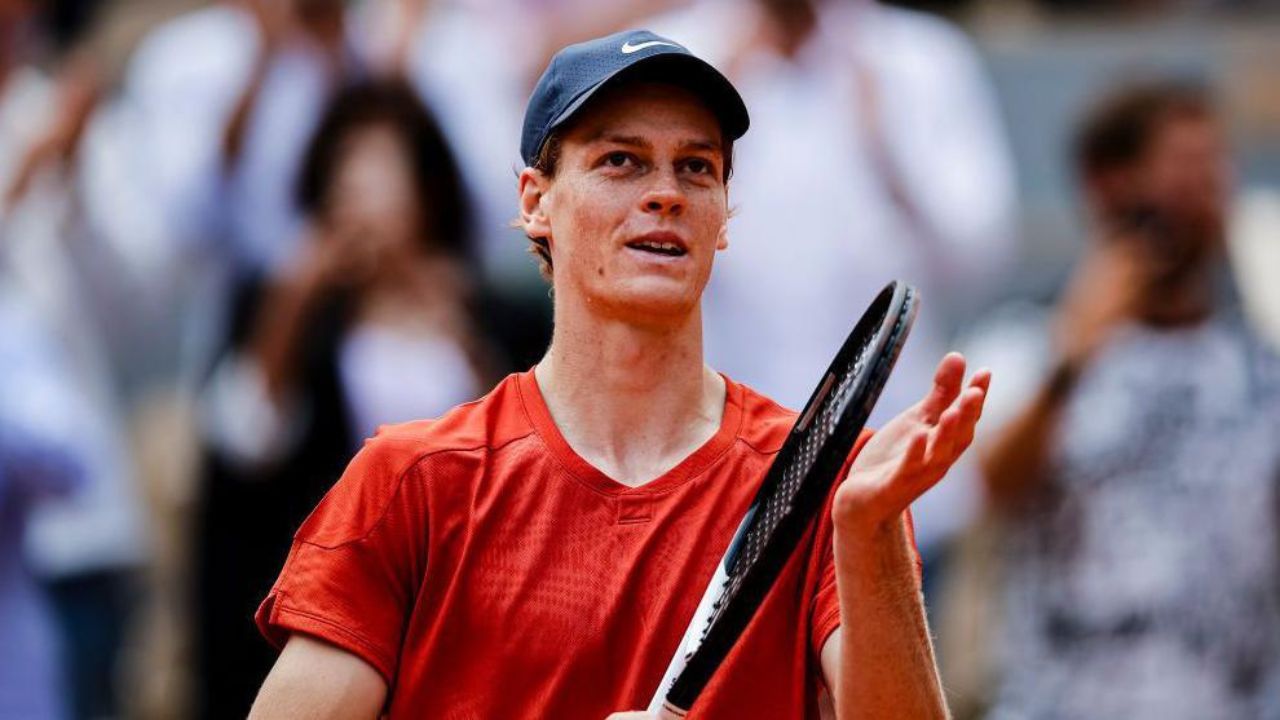
Jannik Sinner (Image via BBC)
- Jannik Sinner and other players are limiting media time to protest for better treatment, including improved pensions and scheduling input.
- The players' actions at Roland Garros signal escalating dissatisfaction with revenue sharing and long-term player welfare.
- Sinner emphasizes the need for a strong response from Grand Slams, as future actions may include boycotts if demands are not met.
Jannik Sinner has made it clear that the players’ push for better treatment isn’t stopping at a 15-minute media limit. The top seed revealed two additional key demands, improved pensions and greater input on scheduling decisions, while warning that the group will monitor how other Grand Slams respond before deciding on their next steps.
The world No. 1’s comments come amid growing tension at the 2026 French Open, where many top players are capping their press conferences at 15 minutes on media day as a form of protest. This symbolic action highlights their frustration over revenue sharing, respect, and long-term player welfare. It’s not just about bigger paychecks today; it’s about securing the sport’s future for everyone on the tour. Sinner said in his press conference:
I think many players are doing that. But it’s nothing against journalists or anyone against you. We are very happy to do the obligations that we have to do, we’re just limiting. Trying to put ourselves in a position where we also have a small say. I think it’s right to do so. As I said in Rome already, we waited 1 year to have a small response. You know, I think here we’re trying to start something now. But again, nothing against you. We’re here to do our obligations.
Players have been voicing dissatisfaction for over a year, with little meaningful response from the Grand Slams. The current action at Roland Garros feels like a measured escalation, nothing aggressive toward journalists, but a clear signal that the athletes want a seat at the table.
Jannik Sinner was asked what the players will do next if they don’t get a response from the tournament following the 15 minute media boycott, ‘Let's see where we go & let's see how other Grand Slams are going to react after here, & then we're going to decide’
— The Tennis Letter (@TheTennisLetter) May 22, 2026
"Are you limiting… pic.twitter.com/6P0IKbHwYB
As the clear favorite heading into Paris, Sinner could easily stay quiet and focus on chasing another major title. Instead, he’s using his platform to advocate for change, joining voices like Aryna Sabalenka and others who have floated the idea of future boycotts if demands aren’t met.
Why prize money and respect matter so much right now
The numbers tell part of the story. The 2026 French Open boasts a record prize money pool of around €61.7 million, up about 9.5-10% from the previous year. But players argue their share of overall tournament revenue has actually dipped to roughly 15% or lower, far below the 22% they see at other big events.
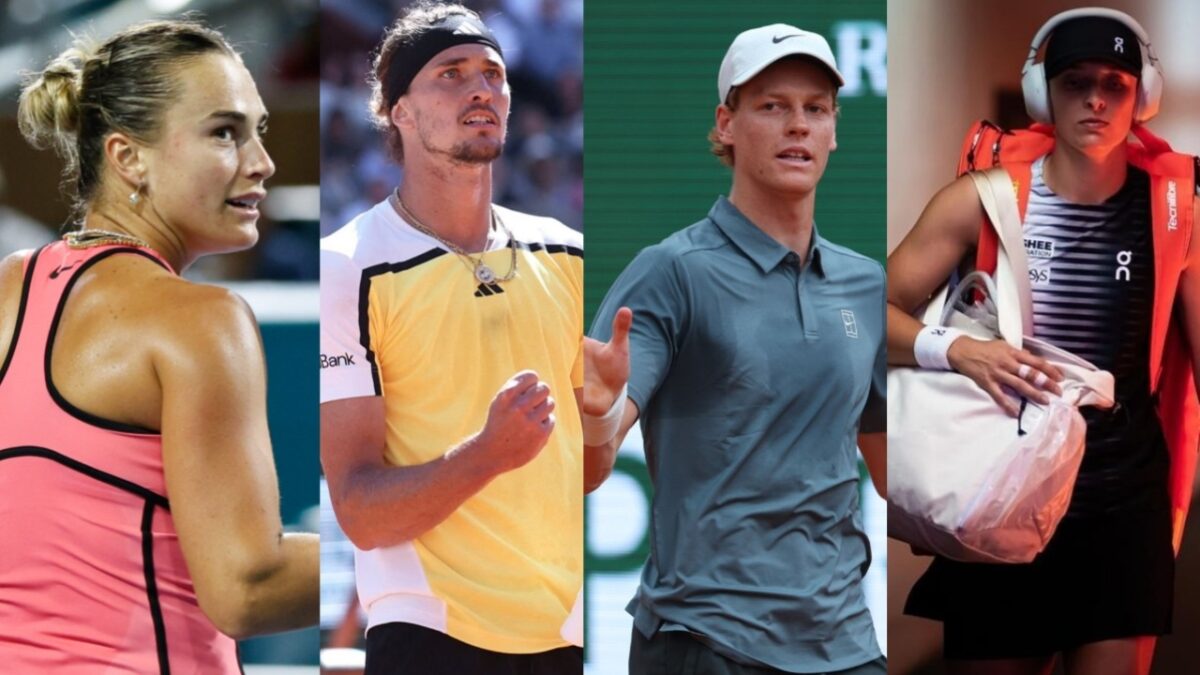
Many players grind through injuries, travel, and intense schedules for years, only to face uncertainty once their careers end. A stronger pension system would provide real security. The scheduling issue speaks to basic respect—players want their voices heard on decisions that directly impact their bodies and preparation.
The timing adds extra pressure. Roland Garros 2026 kicks off with Sinner in strong form, riding a lengthy winning streak. Yet the off-court drama threatens to overshadow the on-court action. Fans tuning in want to see the best players competing at their peak, not distracted by negotiations.
What this means for the tournament and the sport
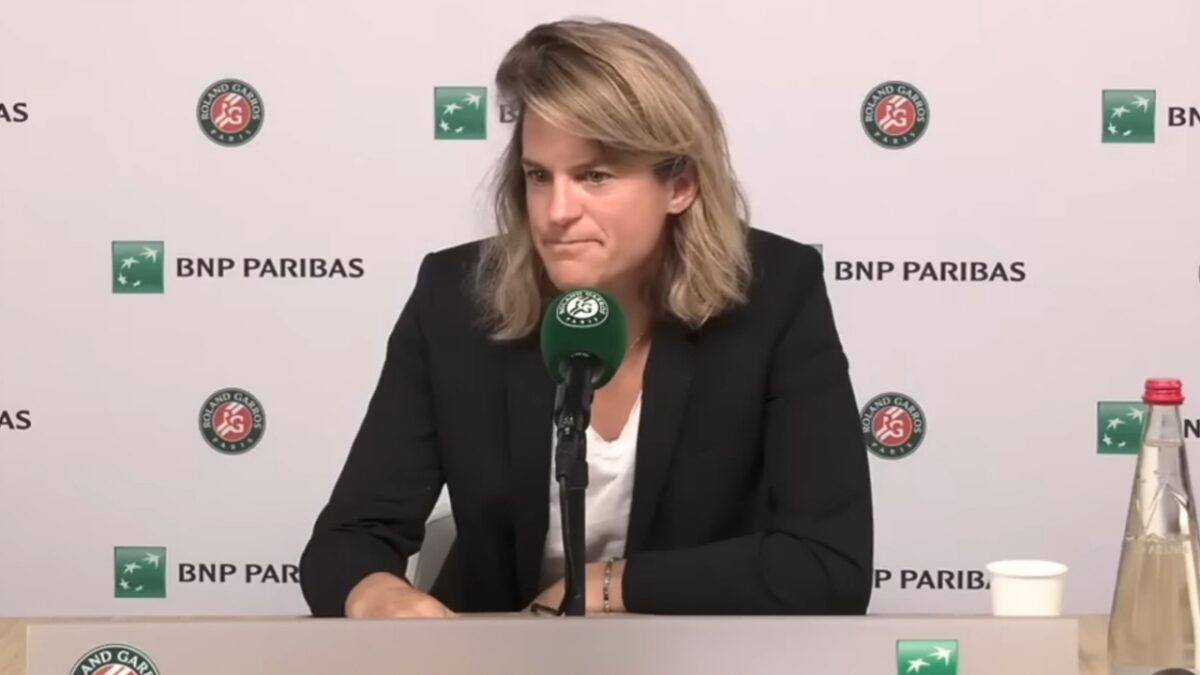
For Roland Garros organizers, the ball is now firmly in their court, as the Tennishead report noted. Tournament director Amelie Mauresmo has expressed regret over the protest and has offered to talk. But players want more than promises; they want action on revenue share, pensions, and decision-making.
The implications stretch beyond Paris. Sinner explicitly said the players will monitor reactions from other Grand Slams. A strong response here could set a positive tone for Wimbledon and beyond. Inaction might push the group toward stronger measures, though no one wants to see actual boycotts that hurt fans, sponsors, and the sport’s momentum.
On the court, Sinner remains the heavy favorite. Best-of-five-set matches already test endurance; adding mental fatigue from these negotiations isn’t ideal.
Also Read: Aryna Sabalenka Shares Strong Stance for Lower-Ranked Battle Amid Roland Garros Prize Money Feud
Fahad Hamid
(1769 Articles Published)