

Virgil Van Dijk Questions True Intentions of Hydration Breaks At The FIFA World Cup
The FIFA World Cup 2026 has mandated hydration breaks in between each halves, effectively dividing into a mini four quarter style play.
 Follow Us
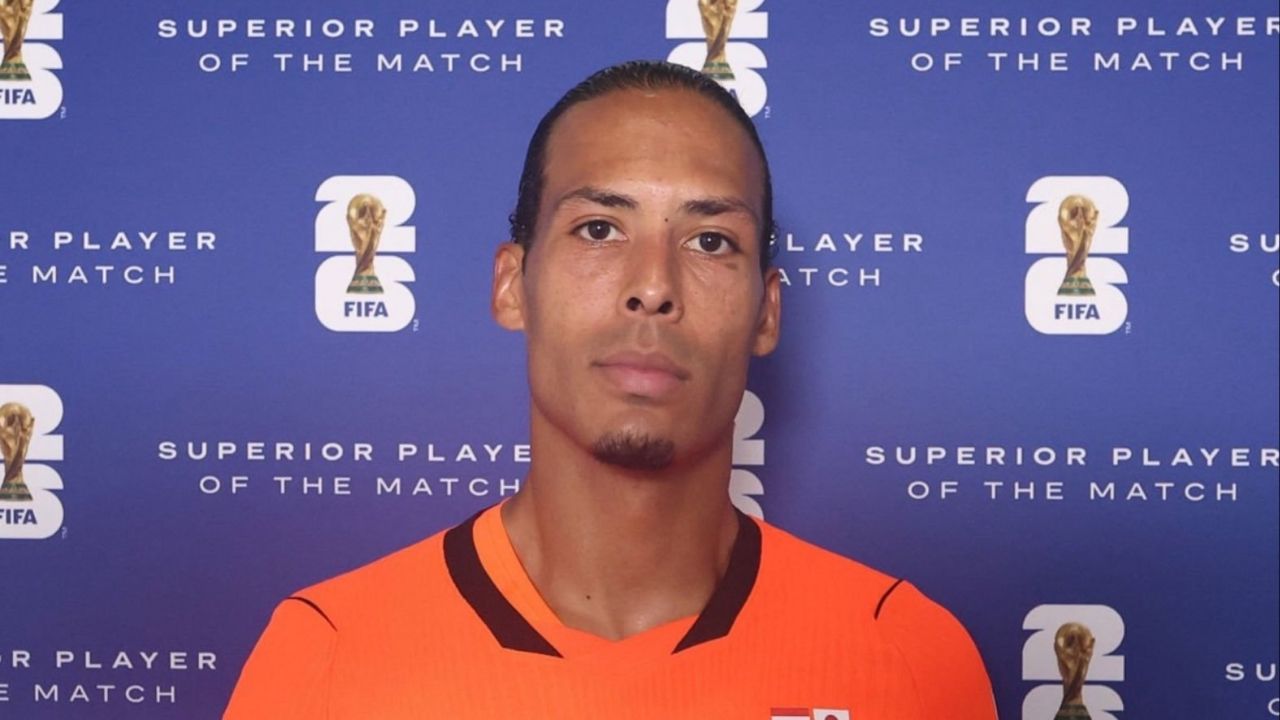
Virgil Van Djik (Image via @FIFAWorldCup on X)
The Netherlands captain, Virgil Van Dijk, isn’t a huge fan of the latest reintroduction of hydration breaks in the FIFA World Cup. Introduced in the 2014 edition in Brazil, the hydration breaks were brought back by the organizers following a round of early testing at the FIFA Club World Cup earlier this year.
As the World Cup rolled around, these hydration breaks have become a mandatory item on the agenda. The game is traditionally divided into two halves, separated by a 10-15-minute break. With the new hydration breaks in place, the players huddle on the sidelines for a three-minute interval in the middle of each half. Though being advertised as hydration breaks, these periods have also served a different purpose.
They have become periods where broadcasters could run advertisements, and more revenue can be generated from those.
Van Djik, often touted as one of the best defenders of the current generation, addressed the hydration breaks and how the screen shifts to a commercial during those breaks. Van Djik said in a statement following the game between the Netherlands and Japan:
Hydration breaks are a bit interesting, because I was obviously watching almost all the games up until today, and every time going to commercial is a bit … Not really that I like it. I think for the neutral watchers on TV it’s also not great.
Virgil van Dijk says he's not a fan of the mandatory hydration breaks introduced at the World Cup 🤔 pic.twitter.com/P5JcUEPcye
— BBC Sport (@BBCSport) June 15, 2026
He admitted that these are valuable when it is really hot, but questioned their usage in every single game. The particular game between the Dutch and the Japanese was held in the AT&T Stadium in Dallas with the roofs closed and climate control, leaving its true intentions a bit controversial.
A few instances in the last week where Fox News reportedly overran commercials in the opening game between Mexico and South Africa, leading to fans missing 40 seconds of action. Telemundo, however, has decided to skip commercials during the hydration breaks and choose to broadcast the players and fans, stating that they don’t want to head in a corporate direction.
The latest controversy generated considerable additional heat due to the sport’s increasing commercialization. The FIFA World Cup 2026 has been criticized by several for its exorbitant prices to attend games, soaring complimentary prices like travel to stadiums and parking, and visa denials.
Julian Nagelsmann credits hydration break as a momentum shifter for their opening game
In Germany’s tournament opener against Curaçao a day ago, the four-time champions were struggling initially. Though Felix Nmecha found the net in the sixth minute, the island nation’s team banded together to equalize right before the hydration break.
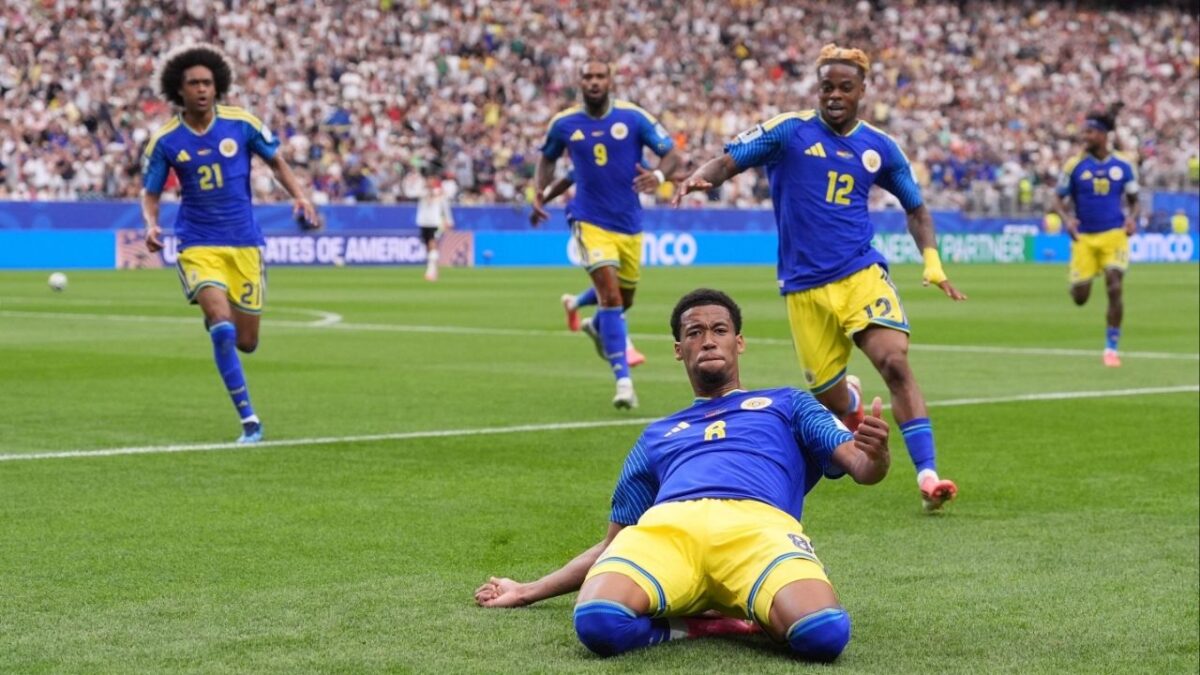
Livano Comanencia scored in the 21st minute before they broke for the mandatory three-minute break. The Germans came back with a renewed aggression; they had a fiery energy. It was carnage that followed as they scored six unanswered goals to win the game 7-1.
The winners’ head coach, Julian Nagelsmann, admitted that the hydration break helped them to go over the details and shape the team strategies. Nagelsmann said:
Curacao played with a diamond today, and we adjusted how we attacked before the hydration break. But even so, there were still two or three moments where it took a little while because, at the end of the day, you actually very rarely play against a diamond-shaped team these days. It’s practically unheard of. Very few teams do that anymore, and we needed a bit of time. The water break was actually good to simply reiterate what we had already adjusted on the board.
The shift in momentum was noted by fans as well. The hydration break was praised by a few other national team coaches as well. Didier Deschamps, the French coach, and Rudi Garcia, coach of the Belgian national team, advocated a few of the advantages of the newly reintroduced change. However, it won’t be easy for fans of the game to adapt to what ideally is an Americanized version of four-quarter games.
Also Read:
Mohammed Bazim
(1334 Articles Published)